8 min read
Share This Review

Our review
Eliza Hamilton: The Extraordinary Life
Eliza Hamilton: The Extraordinary Life by Tilar J. Mazzeo Review: A Worthy Subject, Unevenly Served
Tilar J. Mazzeo's biography of Eliza Schuyler Hamilton — originally published in September 2018 and reissued by Gallery Books in 2019 — makes a compelling case for Eliza's place among the unsung heroes of America's founding era, and offers a genuinely provocative central argument about the Maria Reynolds affair. Publishers Weekly called it an expertly told story certain to captivate Hamilton fans, while Kirkus Reviews found it a middling biography of a worthy subject — a split that fairly captures the book's real strengths and real limitations.
LuvemBooks Verdict
Best for
Readers already captivated by the Hamilton cultural moment who want a serious, argument-driven biography that repositions Eliza Schuyler Hamilton as a strategically minded actor rather than a historical footnote to her famous husband.
Worth it if
You come primarily for the central intellectual puzzle — Mazzeo's compellingly sourced case about the Reynolds controversy — and for a first-ever cradle-to-grave account that takes Eliza's agency seriously.
Skip if
You want a thorough account of Eliza's nearly fifty years of independent life after Alexander's death — her philanthropic leadership of New York's Orphan Asylum Society and her own considerable legacy — or sustained engagement with the Schuyler family's use of enslaved labor; on both counts, the book is thinner than the subject warrants.
What readers & critics say
Kirkus Reviews called it "a middling biography of a worthy subject," noting uneven prose and insufficient attention to Eliza's widowhood, while acknowledging Mazzeo argues the Reynolds controversy compellingly. Publishers Weekly was more enthusiastic, praising the impressive breadth of sources and calling it a satisfying cradle-to-grave narrative certain to captivate Hamilton fans and anyone interested in early American history.
“A middling biography of a worthy subject — Mazzeo's Eliza appears stoic, loyal, and canny.”
— Kirkus Reviews“Drawing from an impressive breadth of sources, Mazzeo shows what made Eliza, in Alexander's words, the 'best of wives, best of women.'”
— Publishers WeeklyAsk LuvemBooks
Was this helpful?
- Is it worth reading?
- For readers drawn to the Hamilton era — particularly those energized by renewed interest in the founding generation's women — Eliza Hamilton: The Extraordinary Life is a genuinely rewarding read, above all for its audacious central argument and its reframing of Eliza as a strategically minded actor rather than a passive bystander. Publishers Weekly found it a satisfying narrative certain to captivate Hamilton fans, and the intellectual through-line connecting Eliza's self-modeled Roman wife loyalty to her response to the Reynolds controversy gives the book real distinction. The honest caveat, per Kirkus Reviews, is that the prose is uneven and the structural imbalance — Eliza's fifty years of widowhood and philanthropic leadership receiving comparatively little space — means the biography does not fully do justice to its subject's complete life. Readers wanting an exhaustive account of Eliza's decades of independent action after 1804 should temper expectations, but those coming for a serious reappraisal of Eliza's agency will find Mazzeo's argument well worth their time.
- Similar books
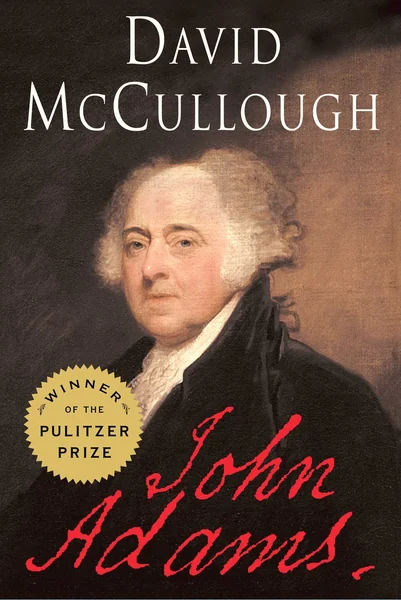
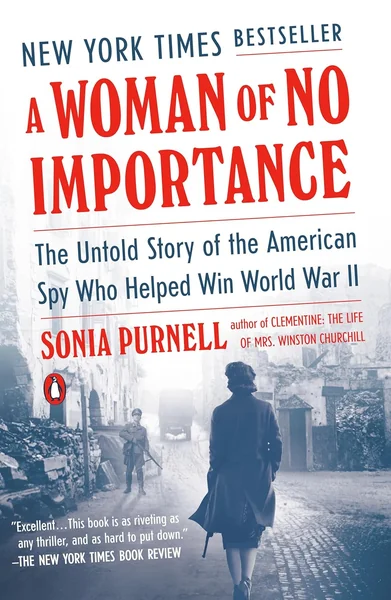
- Readers who respond to Eliza Hamilton: The Extraordinary Life will likely enjoy other deeply researched biographies that recover overlooked figures from the shadow of more famous men or events. Ron Chernow's Alexander Hamilton is the essential companion text — the definitive biography of Eliza's husband, and the book that directly inspired the Hamilton musical. David McCullough's John Adams offers a similar immersion in the Founding era, with its dual portrait of John and Abigail Adams showing how a founding wife's story can be woven into the larger political narrative. Sonia Purnell's A Woman of No Importance shares Eliza Hamilton's central project of reclaiming a woman who shaped history from the margins, following Virginia Hall's extraordinary World War II espionage career. Tilar J. Mazzeo's own Irena's Children covers similar thematic ground — a woman of moral courage acting under extraordinary historical pressure — and shows Mazzeo's range as a biographer of quietly heroic women.
- Who should read this?
- Eliza Hamilton: The Extraordinary Life is best suited to readers already energized by the Hamilton cultural phenomenon — including fans of the musical who want a historically grounded, book-length portrait of Eliza Schuyler Hamilton as a figure in her own right. It will also appeal to readers with a broader interest in founding-era women and the moral complexities of the early American republic, particularly those drawn to revisionist arguments that challenge received historical narratives. Readers seeking an exhaustive account of Eliza's philanthropic decades after Alexander Hamilton's death, or a deep reckoning with the Schuyler family's use of enslaved labor, should know in advance that the book is thinner on both counts than its subject warrants, per both Kirkus Reviews and Publishers Weekly.
- About Tilar J. Mazzeo
- Tilar J. Mazzeo is the author of Eliza Hamilton: The Extraordinary Life and Times of the Wife of Alexander Hamilton.
- What are the main themes?
- The biography's dominant themes are loyalty, agency, and the ways women's contributions to the founding era have been systematically obscured. Mazzeo's central argument — that Eliza modeled herself on the sacrifice of classical Roman wives — gives the book an intellectual framework that elevates it beyond a straightforward chronicle. The Reynolds affair controversy sits at the book's moral and political heart, raising questions about marital sacrifice and the selective recording of history. The Schuyler family's use of enslaved labor is also present, though Kirkus Reviews noted it receives only passing mention — less space than is given to a wedding cake — a gap that sits uncomfortably against the biography's otherwise attentive treatment of moral complexity.
- Is this a good book club pick?
- Eliza Hamilton: The Extraordinary Life offers strong book club potential, primarily because of its audacious central argument about the Maria Reynolds affair. The book's acknowledged gaps — the thin treatment of Eliza's fifty-year widowhood and the passing mention of the Schuyler family's use of enslaved labor — also provide productive points of critical conversation for groups interested in how biography chooses what to center.
Summarize this book
Follow up
Synthesized from verified book data & published reviews · How we review
What would you like to know about Eliza Hamilton: The Extraordinary Life?
Answers come from our editorial notes on this book. If we haven't covered something, we'll say so.
Readers often ask
Our Review
We review the evidence: published critics, reader verdicts and BookTube reviews, gathered and weighed with AI assistance and edited by LuvemBooks, rather than one reader's first-hand take.
What the Book Is and What It Argues
Significance and Cultural Context
Strengths: Research, Argument, and the Marriage at Its Center

Limitations: Prose, Proportion, and Silences
Who Will Find It Most Rewarding
Sources & Further Reading
The key facts and claims in this review are grounded in the retrieved, verified sources listed below.
- Cited in this review
- 1
- 2
- 3
kirkusreviews.com
- Further reading
- 4
Tilar J. Mazzeo, LuvemBooks
- 5
- 6
- 7
- 8
Age & Reading Level
Recommended age
Adult
2 content notes · who it suits
Content to know about
Skip if you want a comprehensive account of Eliza Hamilton's philanthropic legacy and independent life after Alexander Hamilton's death.
Reader reviews
Be one of the first readers to answer.
Read it? Was it right for you?
Books like Eliza Hamilton: The Extraordinary Life
Curated picks for readers who enjoyed Eliza Hamilton: The Extraordinary Life, with our reasoning for each match.

If you liked Eliza Hamilton: The Extraordinary Life