
9 min read
4.7
· 1,321 Amazon ratingsShare This Review
Truly by Lionel Richie Review: A Wildly Entertaining, Gratitude-Filled Memoir
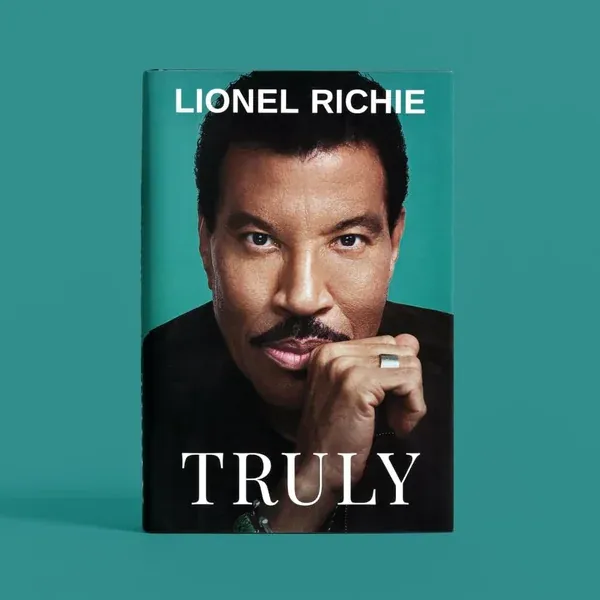
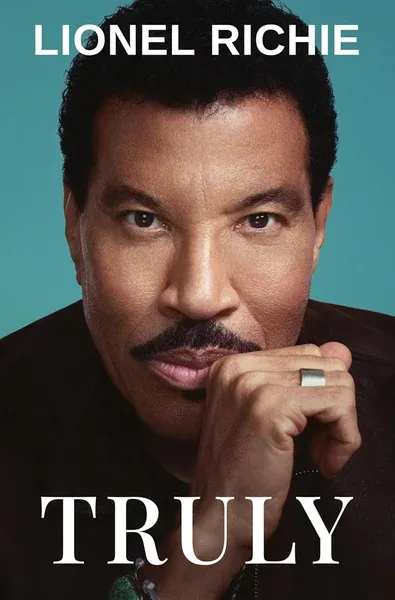
Published by HarperOne on September 30, 2025, Truly is the long-awaited memoir of pop legend Lionel Richie — a candid, deeply personal account of his journey from a shy, anxious childhood in Tuskegee, Alabama, to global superstardom. Kirkus Reviews calls it "wildly entertaining, utterly charming," and the book lives up to that billing by blending music history, personal revelation, and an infectious spirit of gratitude across its nearly 500 pages.
 Tap to enlarge
LuvemBooks Verdict
Best for
Longtime Lionel Richie fans and music biography readers who want a comprehensive, first-person account of five decades in pop music told by someone who was at the centre of it all — especially those drawn to themes of overcoming anxiety, self-doubt, and unlikely success.
Worth it if
You want an entertaining, warmly told life story that doubles as a music-history document — one that moves from a shy, ADHD-affected childhood in Tuskegee through the Commodores, global solo stardom, and every major honour American music can bestow, delivered in a voice critics describe as charming rather than boastful.
Skip if
If you prefer the bruising, unflinching confessional register of harder-edged memoirs, or you're looking for a tightly edited highlights reel rather than a generous 496-page chronicle, Richie's consistently warm and grateful tone may feel too gentle to satisfy.
What readers & critics say
Kirkus Reviews awards the memoir a starred assessment, calling it "wildly entertaining, utterly charming" and praising Richie's gratitude-infused voice and refreshing lack of braggadocio. The Moving Words similarly lauds Truly for its "heartfelt tone and authenticity," describing it as "a soulful meditation on resilience, creativity, and gratitude" that is "gentle but wise, grounded yet inspired."
“Wildly entertaining, utterly charming — there's an abundance of love and gratitude in this memoir.”
— Kirkus Reviews“Richie's wide-eyed disbelief about his own success threads through the book as its animating spirit.”
— Kirkus ReviewsAge & Reading Level
Recommended age
Adult
Reading level
Adult
who it suits
Skip if you want a hard-edged, unflinching confessional memoir that lingers in darkness and conflict.
Truly: An Inspirational Journey Through the Life of by Lionel Richie is Trending
Lionel Richie Featured in Netflix's 'The Greatest Night in Pop,' Now Streaming
Netflix's 'The Greatest Night in Pop' — featuring Lionel Richie alongside Quincy Jones and Michael Jackson — is currently one of the best movies on the platform, putting Richie back in the spotlight and sending readers straight to his memoir, Truly.
If you've been on Netflix lately, you may have caught 'The Greatest Night in Pop,' which is landing on TV Guide's list of the 60 best movies on Netflix right now as of September 2026. The film puts Lionel Richie front and center alongside legends like Quincy Jones and Michael Jackson, and it's reminding a lot of people just how central Richie was to some of the biggest musical moments of the 20th century.
That renewed fascination is a perfect on-ramp to Truly, his memoir published by HarperOne in September 2025. The book covers his full story — from growing up shy and anxious in Tuskegee, Alabama, to writing and performing some of the most beloved pop songs ever recorded. If the Netflix film leaves you wanting more of the backstory behind the man, the book delivers it across nearly 500 pages of candid storytelling.
Kirkus Reviews called Truly 'wildly entertaining, utterly charming,' and it holds up to that description. Whether you're a longtime fan or just got introduced to Richie's legacy through the Netflix doc, this is a great moment to pick it up.
In This Review
- What Works & What Doesn't
- What the Book Is and What It Covers
- Richie's Place in Music History and Why the Book Matters
- The Voice: Self-Deprecation, Gratitude, and Genuine Openness
- Strengths and What the Book Does Well
- Who This Memoir Is For and Its Honest Limitations
What Works & What Doesn't
What Works
- Kirkus Reviews praises it as 'wildly entertaining, utterly charming' — a strong critical endorsement for a memoir of this scope
- Richie's self-deprecating, wide-eyed voice makes the narrative consistently engaging rather than self-congratulatory
- Spans a remarkable arc: from an anxiety-ridden, ADHD-affected childhood in Tuskegee through the Commodores, solo stardom, and beyond
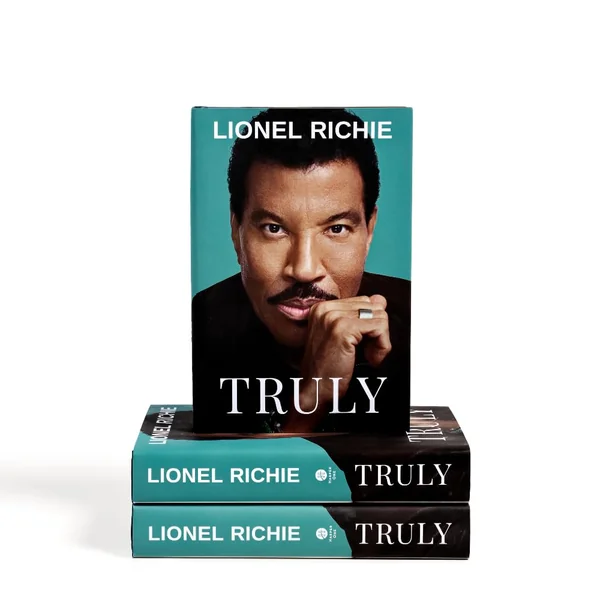
- Includes three eight-page photo inserts, giving readers a visual dimension alongside the personal storytelling
- Functions simultaneously as a music-history document and a personal inspiration, covering an extraordinary catalogue of hits and accolades
What Doesn't
- At 496 pages, the memoir's length may feel expansive to readers looking for a tightly edited highlights reel rather than a comprehensive life story
- Richie's consistently warm, grateful tone — while a genuine strength — means the book rarely dwells in sustained darkness or conflict, which may leave readers seeking harder-edged candor wanting more
What the Book Is and What It Covers
Richie's Place in Music History and Why the Book Matters

The Voice: Self-Deprecation, Gratitude, and Genuine Openness
Strengths and What the Book Does Well
Who This Memoir Is For and Its Honest Limitations
Frequently Asked Questions
Sources & Further Reading
The key facts and claims in this review are grounded in the retrieved, verified sources listed below.
- Cited in this review
- 1
premierecollectibles.com
- 2
kirkusreviews.com
- Further reading
- 3
Lionel Richie, Wikipedia
- 4
- 5
themovingwords.com
- 6
Related Reviews
Reviews of books we picked for readers who enjoyed Truly.


Reader Comments
No comments yet
Be the first to share your thoughts!