9 min read
4.7
· 302 Amazon ratingsShare This Review
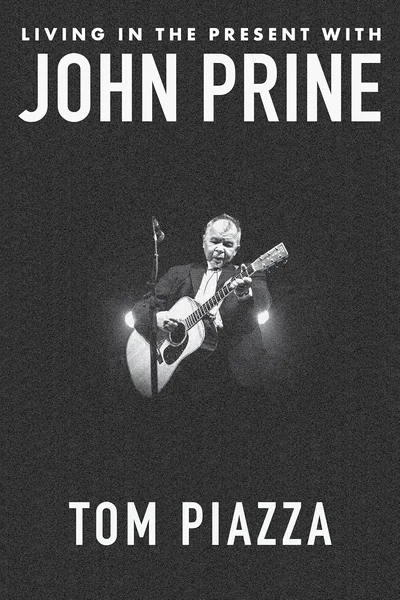
Living in the Present with John Prine by Tom Piazza Review: A Moving Elegy for an American Icon
Tom Piazza's Living in the Present with John Prine, published by W. W. Norton & Company in September 2025 with a foreword by Fiona Whelan Prine, is a national bestseller that blends first-person journalism, oral history, travelogue, and elegy into a compact but resonant portrait of one of American music's most beloved singer-songwriters. Born from a 2016 Oxford American magazine profile and a friendship cut short by Prine's death from COVID-19 complications in 2020, the book is an honest, warmly received tribute that Kirkus Reviews calls "a heartfelt blend of first-person journalism, oral history, travelogue, and elegy."
LuvemBooks Verdict
Best for
Devoted John Prine fans and readers of literary music writing who want an intimate, hybrid portrait of the man — his warmth, his origins, and his last years — rather than an exhaustive biographical survey.
Worth it if
You value craft-driven, personal music writing that treats an artist's humanity as seriously as his catalogue, and you're content with depth of feeling over encyclopedic breadth.
Skip if
If you're hoping for a comprehensive biography with wide-ranging interviews across decades of collaborators and a full discography analysis, this deliberately compact and personal book will feel too modest in scope.
What readers & critics say
Kirkus Reviews praises it as "a heartfelt blend of first-person journalism, oral history, travelogue, and elegy," with Prine's good humor and grace shining on every page. The Santa Barbara Independent (independent.com), relaying a Norton review by David Starkey, acknowledges the book "seems like it shouldn't work" given how scattered Piazza's encounters with Prine were, yet concludes that "somehow... Piazza pulls it off" — a testament to the author's shaping craft. BookPage calls it "the next best thing" to the memoir Prine and Piazza never finished, while Americana UK deems it "a must-read, not just for all John Prine fans, but for all of us who love" this kind of music and storytelling.
“A heartfelt blend of first-person journalism, oral history, travelogue, and elegy.”
— Kirkus Reviews“The memoir the men had in mind would surely have offered insights — Living in the Present With John Prine is the next best thing.”
— BookPageAsk LuvemBooks
Was this helpful?
- Is it worth reading?
- For readers drawn to literary music writing — the kind that treats an artist's humanity as seriously as his catalog — LuvemBooks finds this book a rewarding match for its subject. A Norton review by David Starkey notes the book 'seems like it shouldn't work' given how scattered Piazza's encounters with Prine were, yet 'somehow... Piazza pulls it off,' a verdict that credits real craft in shaping limited but meaningful material. Billboard named it one of its 'Ten Essential Music Books That Make Great Gifts,' and it is a national bestseller. The key caveat: readers expecting exhaustive discography analysis or wide-ranging interviews across decades of Prine's collaborators will find this more personal and compact than encyclopedic.
- Similar books
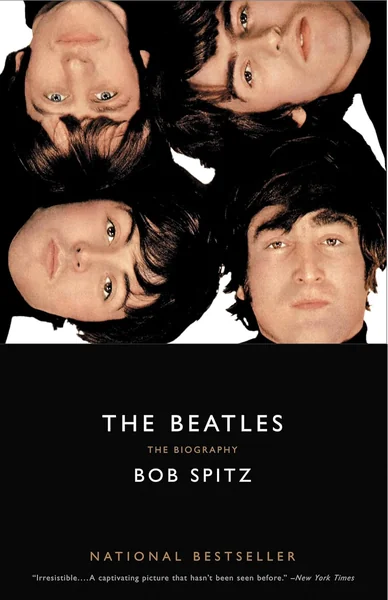
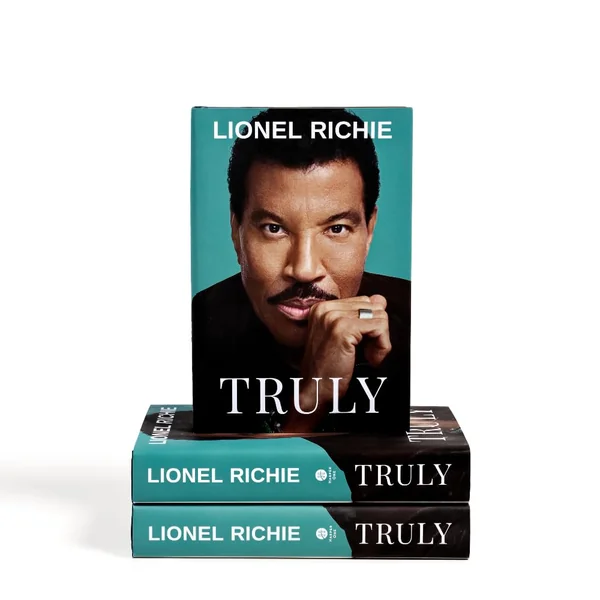
- Readers who respond to this book's blend of music biography, personal memoir, and elegy will find strong company on the shelf. Bob Spitz's The Beatles: The Biography offers the comprehensive, exhaustively researched end of the music-biography spectrum — a useful counterpoint to Piazza's more intimate approach. For music-world memoir from the artist's own perspective, Lionel Richie's Truly and Lisa Marie Presley and Riley Keough's From Here to the Great Unknown both bring insider voices to legendary careers, with Presley's book carrying its own elegiac weight. Matthew Perry's Friends, Lovers and the Big Terrible Thing rounds out the group as a celebrity memoir that foregrounds personal loss alongside fame — a thematic echo of what Piazza does for Prine. Tom Piazza's own Why New Orleans Matters, while not currently in the LuvemBooks catalogue, shows the same author's talent for writing about place, culture, and loss with deep personal investment.
- Who should read this?
- The book has two natural audiences: fans of John Prine who want biographical specifics and a career chronicle, and readers drawn to literary music writing that treats an artist's humanity as seriously as his catalog. Piazza's hybrid form — part elegy, part road narrative, part oral history — also suits readers who enjoy journalism-inflected nonfiction that prioritizes intimacy over comprehensiveness. Readers expecting the encyclopedic sweep of a full-scale biography should know in advance that the book is deliberately compact and personal, built from a friendship of limited duration.
- About Tom Piazza
- Tom Piazza is celebrated as a novelist and a writer on American music. His twelve books include the novels The Auburn Conference, A Free State, and City of Refuge, the short-story collection Blues and Trouble, the post-Katrina manifesto Why New Orleans Matters, and the essay collection Devil Sent the Rain. In 2018, he rode with singer-songwriter John Prine to write a piece for the Oxford American.
- What are the main themes?
- Friendship and loss sit at the book's center — Piazza characterizes it in those terms, and the shadow of Prine's 2020 death from COVID-19 complications shapes every page. Alongside that elegiac thread, the book engages with working-class American identity (Prine's Chicago upbringing and Kentucky roots), the nature of artistic charisma and emotional intelligence, and the tension between independence and commercial music (captured in Prine's decision to co-found Oh Boy Records). Piazza's Prine-to-Dylan comparison — 'You don't want to be him, you just want to hang out with him' — distills the book's deeper inquiry into what makes certain artists beloved in a way that resists easy mythologizing.
- Where to start with Tom Piazza?
- For readers new to Tom Piazza, Living in the Present with John Prine is a natural entry point if American music and biography are the draw — its accessible hybrid form and relatively compact length make it welcoming. Readers more interested in his fiction might start with City of Refuge, while those drawn to his cultural writing on the American South might consider Why New Orleans Matters, his post-Katrina manifesto. With twelve books across novels, short stories, and essays, there's a range of entry points depending on a reader's interests.
Summarize this book
Follow up
Synthesized from verified book data & published reviews · How we review
Press Enter to ask. Answers come from our editorial Q&A — start typing to see related questions.
Age & Reading Level
Recommended age
Adult
Reading level
Adult
2 content notes · who it suits
Content to know about
Skip if you want a comprehensive, encyclopedic biography with exhaustive discography analysis and wide-ranging interviews across Prine's full career.
Our Review
What the Book Is and How It Came to Be
The Ground It Covers: Life, Career, and Character
Strengths: Intimacy, Voice, and Unlikely Grace
An Honest Limitation: Scope and Access
Who It Is For and Where It Stands
Sources & Further Reading
The key facts and claims in this review are grounded in the retrieved, verified sources listed below.
- Cited in this review
- 1
publishersweekly.com
- 2
- 3
- Further reading
- 4
kirkusreviews.com
- 5
leemergner.substack.com
- 6
- 7
- 8
americana-uk.com
- 9
- 10
barnesandnoble.com
Books like Living in the Present with John Prine
Curated picks for readers who enjoyed Living in the Present with John Prine, with our reasoning for each match.
If you liked Living in the Present with John Prine