9 min read
4.5
· 62,156 Amazon ratingsShare This Review

Our review
Friends, Lovers, and the Big Terrible Thing by Matthew Perry Review: A Raw, Candid Addiction Memoir
Matthew Perry's Friends, Lovers, and the Big Terrible Thing is an instant #1 New York Times bestseller and #1 international bestseller in which the beloved star of Friends chronicles his decades-long struggle with alcoholism and addiction, his journey from childhood ambition to fame, and his recovery in the aftermath of a life-threatening health scare. Published by Flatiron Books (an imprint of Macmillan Publishers) on November 1, 2022 — a year before Perry's death on October 28, 2023 — the memoir earned praise from outlets including People, while drawing more measured responses from critics who noted its limitations as a work of literary storytelling. This review is based on the book's contents and published critical reception, not hands-on use.
LuvemBooks Verdict
Best for
Fans of Friends who want to understand the man behind Chandler Bing, and readers drawn to addiction narratives told with raw honesty rather than tidy resolution.
Worth it if
You value candor and dark humor over literary polish, or are looking for an unflinching, first-person account of how addiction can coexist with — and corrode — extraordinary fame.
Skip if
You're expecting a tightly structured, literarily ambitious memoir rather than a candid but sometimes uneven personal confession — critics note Perry is more of a blurter than a craftsman.
What readers & critics say
The Guardian called it "admirably honest, sometimes cringe-inducing," capturing both its emotional power and its rougher edges. Bookmarks.reviews described it as "a scream of authentic human pain, albeit one sprinkled with stardust," while also noting cringe-inducing moments of celebrity griping alongside its harrowing candor. The publisher's page at us.macmillan.com records its debut as an instant #1 New York Times and #1 international bestseller, with pre-publication buzz from Time, the Associated Press, Goodreads, and USA Today.
Sources: Bookmarks Reviews, Macmillan Publishers, 100 Percent Rock, For Books' SakeAsk LuvemBooks
Was this helpful?
- Is it worth reading?
- For readers who connected with Perry through Friends or who are drawn to addiction narratives told with raw honesty rather than comfortable resolution, Friends, Lovers, and the Big Terrible Thing delivers genuine emotional value. Critics described it as 'candid, darkly funny...poignant,' and People called it 'a heartbreakingly beautiful memoir.' The caveat — flagged by more than one critic — is that Perry is, in a reviewer's memorable phrase, 'a blurter, not a storyteller': the candor that makes the book compelling can also make it feel structurally uneven. Aimee DeLong of The Tribune called it 'a moving, yet disappointing memoir,' a verdict that sums up the gap between the emotional pull of the material and its literary craft.
- Similar books
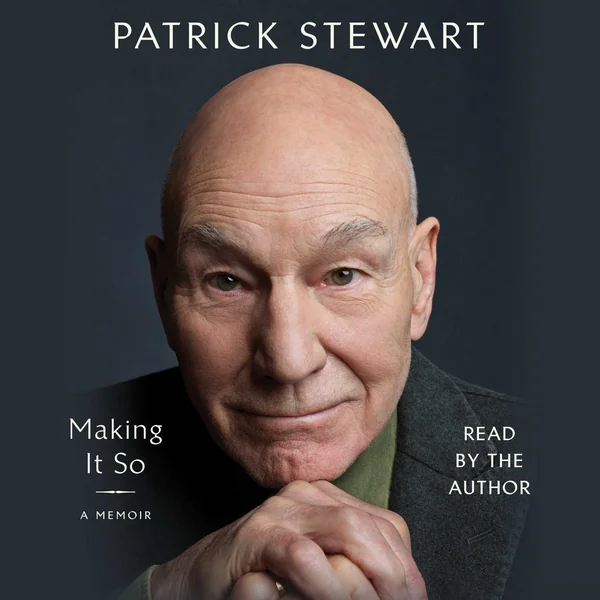
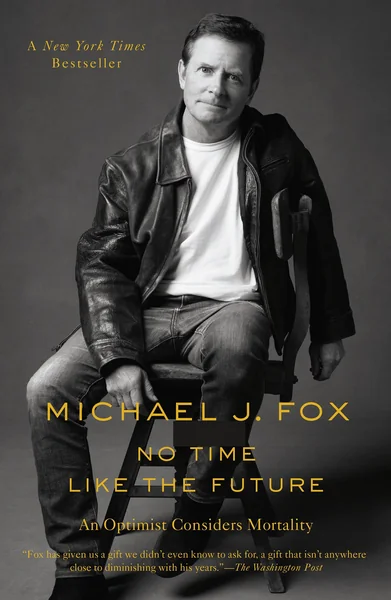
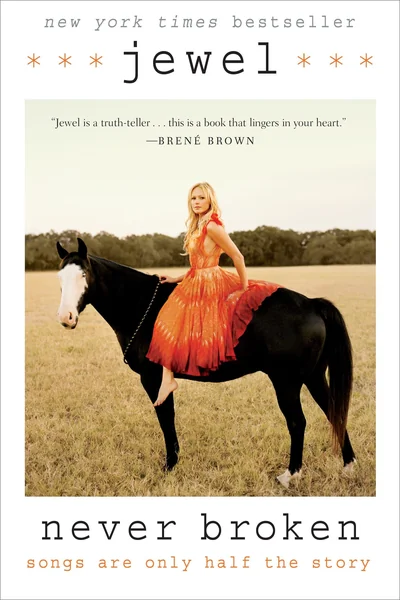
- Readers drawn to Friends, Lovers, and the Big Terrible Thing will find common ground in several other candid celebrity and life-experience memoirs. Michael J. Fox's No Time Like the Future explores illness, resilience, and the private reality beneath a beloved public persona — themes that closely parallel Perry's own. Jennifer Grey's Out of the Corner is another frank Hollywood memoir that excavates the distance between a famous face and the interior life behind it. For readers whose interest leans toward memoir confronting mortality and the search for meaning, Paul Kalanithi's When Breath Becomes Air offers a deeply moving companion read. Patrick Stewart's Making It So: A Memoir and Jewel's Never Broken: Songs Are Only Half the Story round out the list of similarly candid life narratives from public figures navigating private struggle.
- Who should read this?
- Friends, Lovers, and the Big Terrible Thing is most directly for readers who came to care about Perry through Friends and want to understand the man behind Chandler Bing. Beyond that core audience, it speaks to anyone drawn to addiction narratives told with raw candor rather than comfortable resolution, and to readers who value honesty over literary polish in their memoirs. Critics were clear that readers expecting a tightly structured narrative arc or the craft of a serious memoirist may find the book uneven — so it rewards those who can meet Perry on his own terms.
- About Matthew Perry
- Matthew Perry was an American-Canadian actor and author. On November 1, 2022, he published Friends, Lovers, and the Big Terrible Thing, a memoir released by Macmillan Publishers (Headline in the UK) with a foreword by Lisa Kudrow, in which he details his struggles with alcoholism and painkiller dependency. Perry passed away on October 28, 2023, a year after the memoir's release.
- Was the memoir controversial?
- The memoir generated notable controversy over a passage referencing Keanu Reeves, which Perry later stated he would remove in future editions. Critics also raised questions about whether certain celebrity memoir conventions — including candid assessments of people in Perry's orbit — sat comfortably alongside the book's tone of self-reflection. These episodes serve as a reminder, as the review notes, that 'celebrity memoirs carry their own particular hazards.'
- Is the audiobook worth it?
- For a memoir this personal, the audiobook carries a particular appeal: Perry narrated it himself, adding an intimate dimension that reinforces the book's confessional, conversational tone. Given that much of what critics praised is Perry's distinctive voice — 'candid, darkly funny...poignant' — hearing it delivered in his own words is a natural fit for the material. The audiobook runs approximately 8 hours.
Summarize this book
Follow up
Synthesized from verified book data & published reviews · How we review
Press Enter to ask. Answers come from our editorial Q&A — start typing to see related questions.
Age & Reading Level
Recommended age
Ages 16+
Reading level
Adult
3 content notes · who it suits
Content to know about
Best for: Adults / mature 16+ — sustained focus on addiction, painkiller dependency, and serious illness
Skip if you're looking for a tightly structured literary memoir with a polished narrative arc
Our Review
What the Book Actually Is and Contains
Critical Reception and Cultural Footprint
Where the Memoir Is Strongest
Genuine Limitations and Critical Pushback
Who This Book Is For
Sources & Further Reading
The key facts and claims in this review are grounded in the retrieved, verified sources listed below.
- 1
en.wikipedia.org
- 2
- 3
- 4
- 5
- 6
- 7
us.macmillan.com
- 8
barnesandnoble.com
Books like Friends, Lovers, and the Big Terrible Thing
Curated picks for readers who enjoyed Friends, Lovers, and the Big Terrible Thing, with our reasoning for each match.
If you liked Friends, Lovers, and the Big Terrible Thing