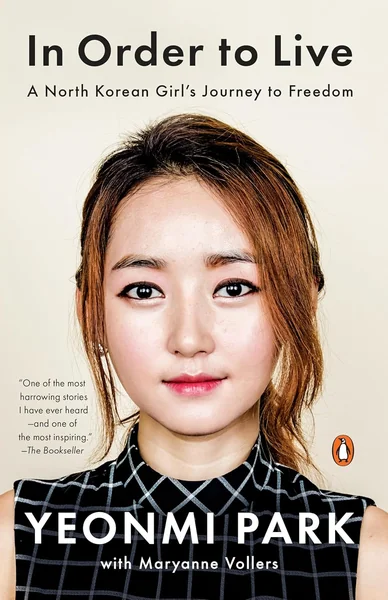
In Order to Live: A North Korean Girl's Journey to Freedom
by Yeonmi Park, Maryanne Vollers
At a glance
About the Author
Yeonmi Park, Maryanne Vollers1 book reviewed
In Order to Live
A North Korean Girl's Journey to Freedom
by Yeonmi Park, Maryanne Vollers
LuvemBooks Verdict
Best for: Readers drawn to narrative nonfiction and survivor memoir who want a complete, structurally clear account of life inside North Korea — from childhood deprivation through escape and resettlement — particularly those with an interest in human rights or authoritarian regimes.
Worth it? Skip it? Read the full verdict →Ask LuvemBooks
Was this helpful?
- Is it worth reading?
- For readers drawn to narrative nonfiction and survivor memoir, In Order to Live is widely considered essential. Its combination of unflinching darkness and persistent forward motion — Barnes & Noble's editorial summary describes it as "heartbreaking and unimaginable, but never without hope" — is consistently identified as the book's defining quality. Park's refusal to frame herself purely as a victim, captured in her own words ("I am most grateful for two things: that I was born in North Korea, and that I escaped from North Korea"), distinguishes it emotionally from more one-dimensional accounts. Readers who want policy analysis rather than personal testimony should supplement it with other sources, but as a primary human document, it stands out for its specificity and structural completeness.
- Similar books
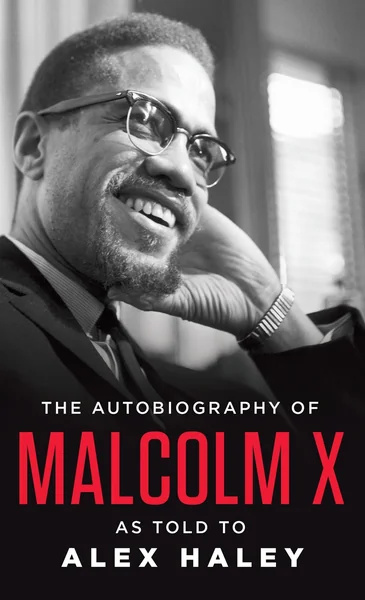
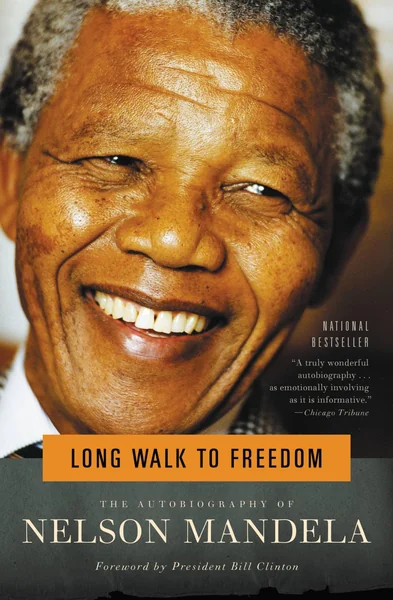
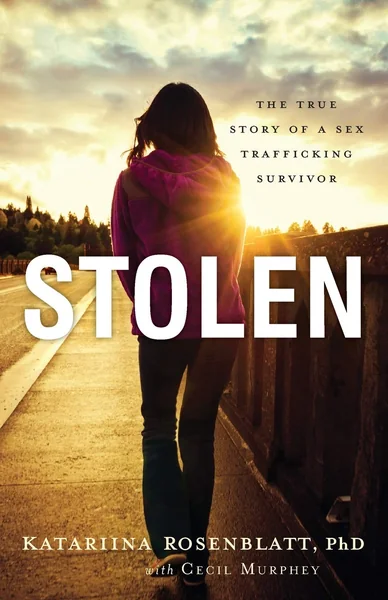
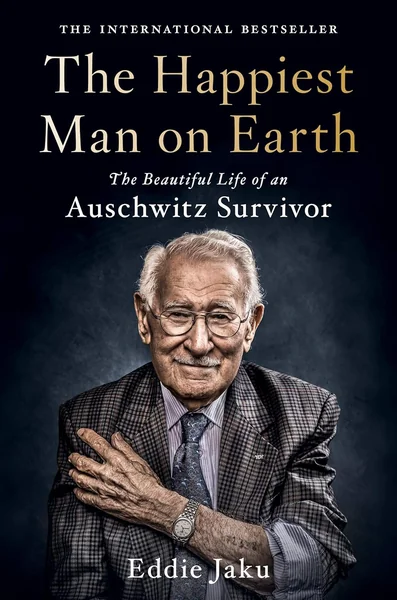
- Readers who respond to In Order to Live will likely connect with other memoirs that combine extraordinary suffering with hard-won resilience. The Autobiography of Malcolm X by Malcolm X and Alex Haley and Long Walk to Freedom by Nelson Mandela both trace lives shaped by systemic oppression into voices of global advocacy, echoing Park's own trajectory from survivor to activist. The Happiest Man on Earth by Eddie Jaku offers a similarly structured arc of endurance and gratitude — refusing victimhood as the final word — while Stolen by Katariina Rosenblatt and Cecil Murphey shares the specific intersection of trafficking, survival, and testimony. For readers drawn to memoir as an act of self-reclamation, Untamed by Glennon Doyle rounds out the list with its focus on identity rebuilt on one's own terms.
- Who should read this?
- In Order to Live is designed for general readers drawn to narrative nonfiction and survivor memoir — particularly those with an interest in human rights, North Korea, or accounts of resilience under authoritarian regimes. Its structural clarity, moving from Hyesan through escape to South Korea, makes it accessible without sacrificing the weight of its subject matter. Readers who have encountered Park through her public advocacy and want the full, contextualized account of her journey will find this book provides exactly that depth. Those seeking systematic geopolitical or policy analysis should plan to read it alongside academic or journalistic sources on North Korea.
- What are the main themes?
- The memoir's central themes are survival, ideological control, and self-reclamation. Park's account of life in Hyesan dramatises the grinding realities of deprivation under a surveillance state — captured in chapter titles like "Even the Birds and Mice Can Hear You Whisper" — while also tracing the broader historical forces of the Korean War, Soviet-style communism, and North Korea's deepening isolation. Beyond the political, the book is fundamentally about identity: how it is formed under totalitarianism, fractured by displacement, and painstakingly reconstructed in freedom. Park's refusal to frame herself purely as a victim — her stated gratitude for both having been born in and having escaped from North Korea — is the memoir's most distinctive thematic stance.
- Does the co-authorship affect the book?
- Maryanne Vollers is credited as co-author on the cover and title page, and her involvement brings the narrative craft associated with long-form nonfiction — Vollers is the author of Ghosts of Mississippi, a National Book Award finalist. The collaboration lends the memoir structural depth and editorial polish that a solo account might lack. That said, the co-authored format does raise inherent questions of voice and mediation that some readers weigh when assessing first-person accounts — a caveat that applies to the collaborative memoir form broadly, not as a specific flaw in this book.
- Where should I start with Yeonmi Park?
- In Order to Live is the foundational text in Park's body of work and the natural starting point — it covers the full arc from her childhood in Hyesan through escape and resettlement in South Korea with greater depth and structural detail than speeches or interviews. Park's subsequent book, While Time Remains: A North Korean Defector's Search for Freedom in America, extends that narrative into her American experience and is best read after this memoir for context and continuity.
Summarize this book
Follow up
Synthesized from verified book data & published reviews · How we review
Press Enter to ask. Answers come from our editorial Q&A — start typing to see related questions.
Age & Reading Level
Recommended age
Ages 16+
Reading level
Adult
4 content notes · who it suits
Content to know about
Best for: Adults / mature 16+ — the memoir contains detailed accounts of starvation, state violence, trafficking, and sexual exploitation experienced during Park's escape from North Korea.
Skip if you are seeking a systematic geopolitical or policy analysis of North Korea rather than a personal survivor testimony.
Editorial Review
In Order to Live is a memoir of extraordinary endurance — Yeonmi Park's first-person account of surviving North Korea's brutal deprivations, fleeing across the border, and reconstructing a self in freedom, written with co-author Maryanne Vollers and published in paperback by Penguin Books in a 2016 reprint edition.
Read the Full ReviewBooks like In Order to Live
Curated picks for readers who enjoyed In Order to Live, with our reasoning for each match.
If you liked In Order to Live