

In This Article
- What Happened — and Why It Was Kept Secret
- A Determined Recovery — and Childhood Disclosures
- Context: A Television Icon's Decades-Long Career
- What to Watch
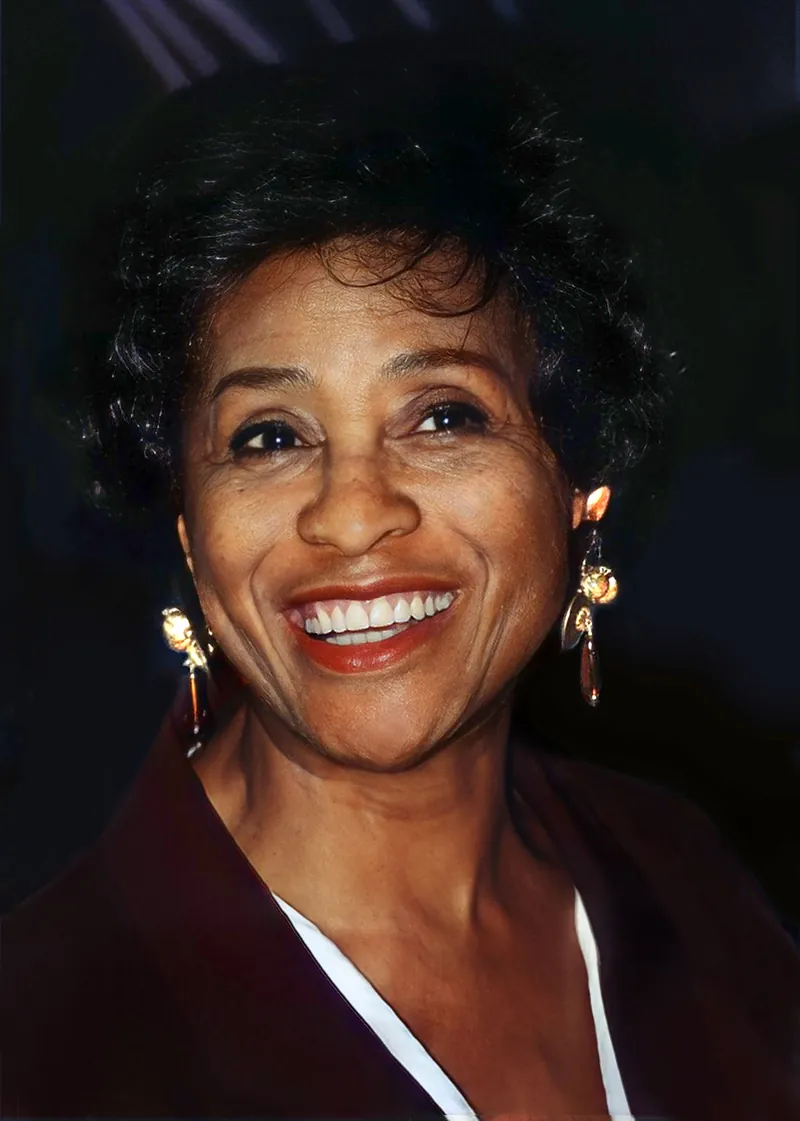
Marla Gibbs, the 94-year-old actress best known for playing Florence Johnston on The Jeffersons, published her memoir It's Never Too Late on February 24, 2026, disclosing for the first time publicly that she survived a brain aneurysm and stroke in 2006 — medical events she deliberately kept hidden for years. The book has drawn significant press attention for its unflinching account of both that health crisis and the childhood hardships Gibbs says drove her toward a life in entertainment.
What Happened — and Why It Was Kept Secret
According to People magazine, Gibbs suffered the brain aneurysm and subsequent stroke in 2006, when she was 75 — a combination she describes in a memoir excerpt as nearly fatal. She writes directly: "Most people do not survive brain aneurysms, so I knew God still had plans for me," as quoted by EURweb.
The disclosure had been suppressed deliberately. USA Today reports that Gibbs chose not to tell the public she had experienced an aneurysm because, in her own words, "we thought it would hurt my" — the implication being concern about her professional standing and public image at the time.
Fox News also covered the disclosure, characterising the aneurysm and stroke as "devastating" and framing her survival and recovery as the centrepiece of the memoir's health narrative.
A Determined Recovery — and Childhood Disclosures
The memoir does not limit itself to the 2006 health crisis. EURweb reports that Gibbs also details difficult childhood experiences she credits with shaping her path to Hollywood. The outlet describes a notably stubborn streak during her hospital recovery: her family asked medical staff to physically restrain her, but Gibbs studied the nurses' technique carefully and untied herself each time staff left the room — a detail she recounts in the book with evident self-awareness.
USA Today adds that Gibbs eventually came to accept that depending on others and slowing down "was essential to me healing" — a shift she describes as one of the more difficult personal reckonings of her recovery.
Context: A Television Icon's Decades-Long Career
Gibbs is best known for her long-running role on The Jeffersons, the CBS sitcom that ran through the 1970s and 1980s, where her portrayal of the sharp-tongued maid Florence Johnston made her a household name. According to People, her most recent television work has included guest appearances, meaning her career has remained active well into her nineties.
The memoir's title — It's Never Too Late — reflects a philosophy Gibbs articulates across the book about the possibility of growth and new chapters at any stage of life, according to USA Today's coverage of the release.
For a full critical assessment of the book itself, see our review.
What to Watch
It's Never Too Late is available now wherever books are sold, according to EURweb. Coverage has spanned entertainment, health, and celebrity press since the February 24 publication date, with People publishing an exclusive memoir excerpt that prompted much of the wider reporting. Whether Gibbs undertakes a promotional press tour at 94 has not been confirmed in available sources.
Frequently Asked Questions
Is It's Never Too Late: A Memoir worth buying in 2026?
Yes, especially for readers interested in career reinvention and aging gracefully. At 4.2/5 stars, it offers valuable insights beyond typical celebrity gossip, though the uneven pacing may frustrate some readers seeking consistent narrative flow.
What health challenges does Marla Gibbs reveal in It's Never Too Late?
Gibbs candidly discusses surviving a brain aneurysm and stroke while in her 90s. She uses these medical emergencies to explore themes of mortality, resilience, and finding purpose at any age.
Who should read It's Never Too Late: A Memoir?
This memoir is ideal for readers interested in career reinvention, anyone facing health challenges, and fans of The Jeffersons seeking deeper insight into Marla Gibbs' journey. It's particularly valuable for older readers contemplating new beginnings.
Does It's Never Too Late include behind-the-scenes details from The Jeffersons?
Yes, but Gibbs focuses more on character development and production insights rather than gossip. Readers seeking dramatic behind-the-scenes revelations may find her approach disappointingly professional and reserved.
Reader Discussion
No comments yet
Be the first to share your thoughts!