Yuval Noah Harari
1
Books ReviewedAsk LuvemBooks about Yuval Noah Harari
- Where should I start?
- Start with Sapiens: A Brief History of Humankind — it is the book that established Harari's reputation and remains the clearest introduction to how he thinks. It covers the full sweep of human history from the cognitive revolution to the present day, so it gives you the conceptual foundation that underpins his later work. Its 4.6/5 reader rating on Amazon, drawn from hundreds of reviews, suggests it consistently delivers on its ambitious scope.
- What's their writing style?
- Harari writes in a lucid, direct prose style that favours sweeping synthesis over granular detail — he is more interested in the patterns connecting thousands of years of history than in dwelling on individual events. He regularly uses provocative reframing, arguing, for example, that the agricultural revolution was a trap rather than a triumph, to push readers into reconsidering assumptions they did not know they held. His tone is confident and occasionally polemical, which generates both enthusiastic readership and academic criticism.
- Books we've reviewed
- LuvemBooks has reviewed one Harari title to date. Sapiens: A Brief History of Humankind (reader rating 4.6/5 on Amazon, from 431 ratings) is his landmark work — a single-volume history of humanity that moves from prehistoric cognition through to the modern global economy, asking why Homo sapiens succeeded where other human species did not.
- What genre does Harari write?
- Harari writes primarily in the history and popular science genres. His books take a macro-historical approach, drawing on evolutionary biology, anthropology, economics, and philosophy to construct arguments about how human societies developed and where they may be heading. If you enjoy authors like Jared Diamond or Bill Bryson — writers who use science and history together to answer large questions — Harari is likely to appeal to you.
- What should I read after Sapiens?
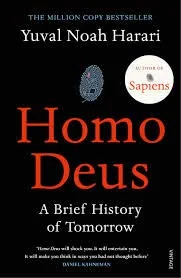
- After Sapiens, Harari's own follow-up Homo Deus is the natural next step — it picks up where Sapiens ends and projects the same analytical framework onto the coming century, focusing on how artificial intelligence, biotechnology, and data are likely to reshape the human condition. If you want to stay with Harari's ideas but shift to contemporary concerns, 21 Lessons for the 21st Century addresses present-day challenges including automation, nationalism, and the reliability of information.
Who is Yuval Noah Harari?
Follow up
Synthesized from verified book data & published reviews · How we review
Press Enter to ask. Answers come from our editorial Q&A — start typing to see related questions.
Authors Like Yuval Noah Harari
Marcus Aurelius
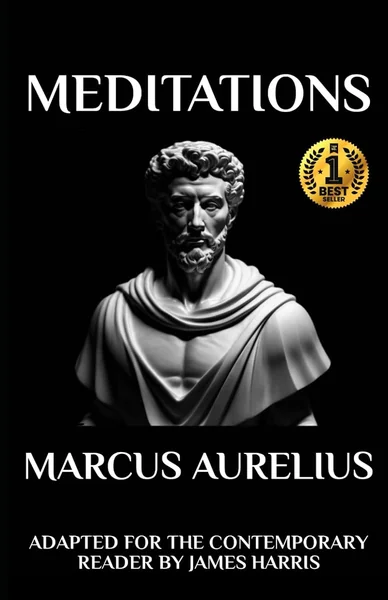
Marcus Aurelius (April 26, 121 CE – March 17, 180 CE) was a Roman Emperor (161–180 CE) born into a wealthy patrician family in Rome. Raised by his mother and paternal grandfather after his father's death, he is best known for his *Meditations*, a series of private writings on Stoic philosophy that remain a key source for understanding ancient Stoicism.
2 books reviewed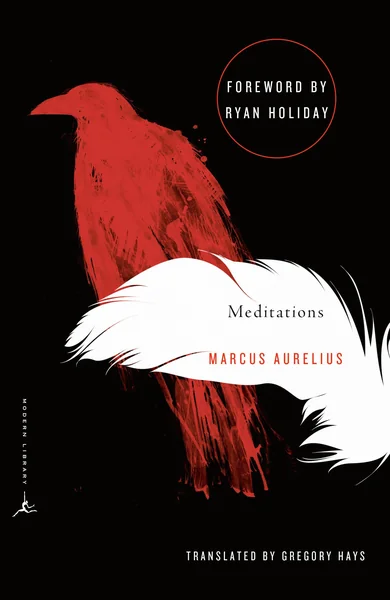
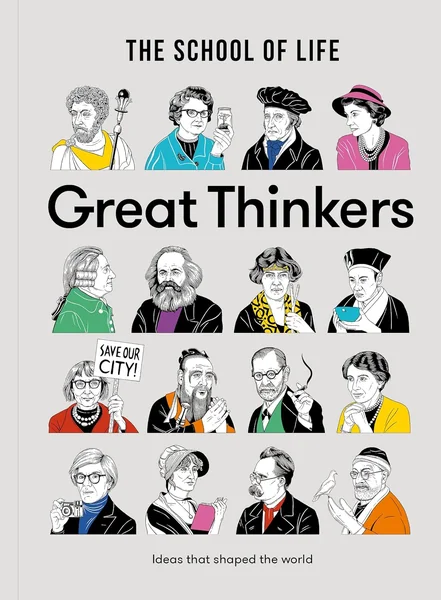
The School of Life
The School of Life is a British multinational publishing and education company founded in 2008 by British author and public speaker Alain de Botton.
3 books reviewed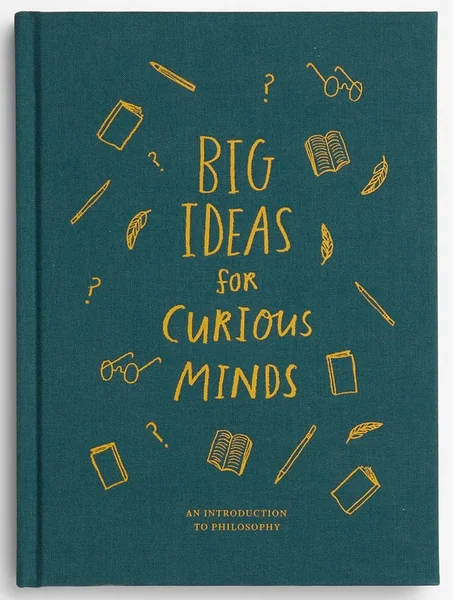

Tejas Hiremani
Tejas Hiremani is the author of *The Principles of Creation: The Underlying Spiritual Forces to Guide Life, from Genesis to the Space Age*. Described as a successful investor, he compiled seven timeless principles intended to guide human progress and self-understanding. The book was self-published under his own name in hardcover.
1 book reviewed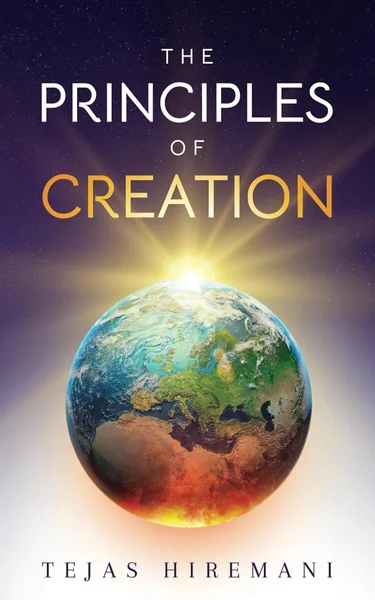
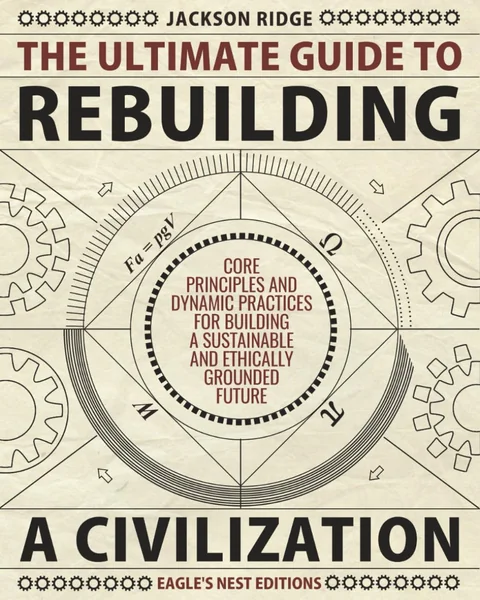
Jackson Ridge
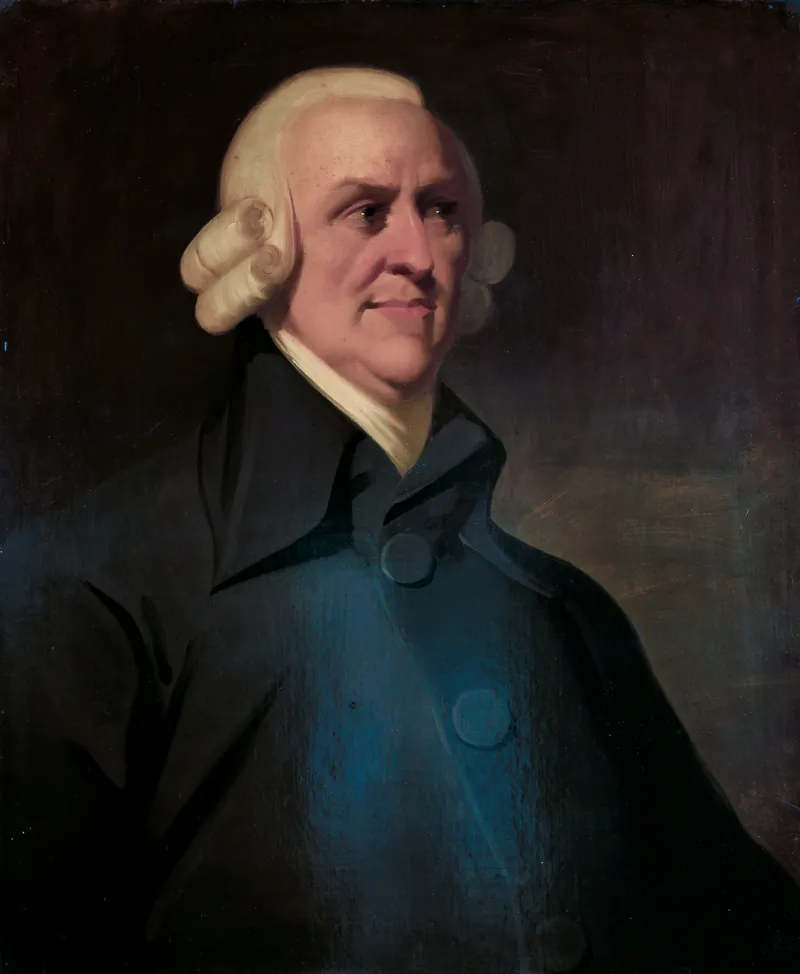
Adam Smith
Adam Smith was a Scottish economist and philosopher who was a pioneer in the field of political economy and key figure during the Scottish Enlightenment.
1 book reviewed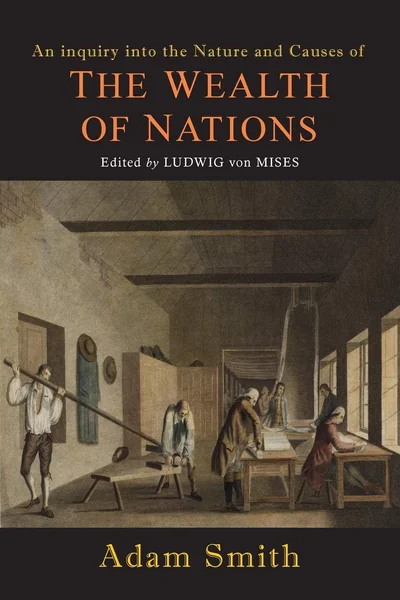

Jonathan Haidt
Jonathan David Haidt is an American social psychologist and author.
2 books reviewed