The School of Life
3
Books ReviewedAsk LuvemBooks about The School of Life
- Where should I start?
- If you're new to The School of Life, Big Ideas for Curious Minds is an excellent entry point — even for adult readers — because it strips philosophical concepts down to their most essential form and builds from the ground up. Its 4.8 out of 5 Amazon reader rating across nearly 1,500 ratings suggests it succeeds in making the material genuinely engaging rather than dry. If you're looking for something aimed squarely at adult practical concerns, A Simpler Life is a strong alternative starting point.
- What's their writing style?
- The School of Life writes in a calm, direct prose style that deliberately avoids academic jargon while still taking ideas seriously. Across their reviewed titles, the approach tends to be structured around short chapters or standalone concepts, making the books easy to dip into rather than requiring cover-to-cover reading. There's a consistent tone of measured reassurance — the writing acknowledges difficulty without dramatising it, and always pivots toward practical application.
- Books we've reviewed
- We've reviewed three School of Life titles: Big Ideas for Curious Minds introduces philosophy to younger readers through relatable moral questions and holds an impressive 4.8/5 Amazon reader rating; Great Thinkers distils the ideas of sixty major philosophers into practical modern applications, rated 4.6/5; and A Simpler Life offers a focused guide to reducing the noise of modern living, rated 4.5/5.
- How do their books compare?
- The three reviewed titles each serve a distinct purpose despite sharing the same accessible house style. Big Ideas for Curious Minds is the broadest in scope, using philosophy as a lens for teaching children — and curious adults — how to think. Great Thinkers is the most reference-like of the three, surveying sixty historical figures and pulling out usable insights from each. A Simpler Life is the most personally focused, concentrating its attention on one theme — serenity and clarity — rather than surveying a wide field.
- What genre do they write?
- The School of Life's output spans a few closely related areas — their reviewed titles sit across philosophy, self-help and personal development, and children's education. The common thread is applied humanism: using ideas drawn from philosophy and psychology to address concrete questions about how to live, work, and relate to others. It's a useful reference point for readers who find pure self-help too prescriptive and academic philosophy too removed from daily life.
- What should I read after Big Ideas for Curious Minds?
- After Big Ideas for Curious Minds, Great Thinkers is the most natural next step — it builds on the same philosophical foundation but goes further, profiling sixty individual thinkers and connecting their ideas to specific modern challenges. If you're less interested in continuing with philosophy and more drawn to personal application, A Simpler Life offers a quieter, more inward-focused follow-up.
Who is The School of Life?
Follow up
Synthesized from verified book data & published reviews · How we review
Press Enter to ask. Answers come from our editorial Q&A — start typing to see related questions.
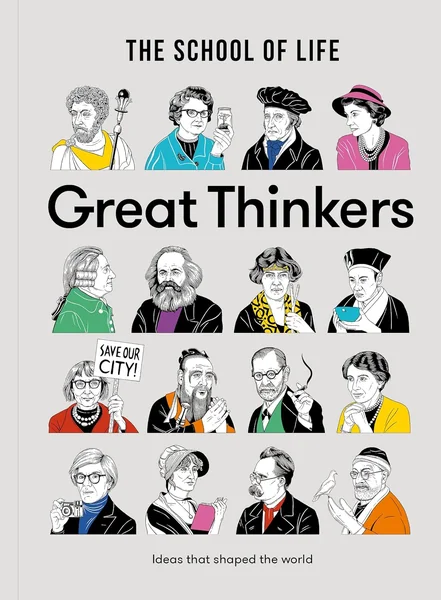
Great Thinkers: Simple tools from sixty great thinkers to improve by The School of Life
4.6/5
Great Thinkers: Simple Tools from Sixty Great Thinkers to Improve Your Life Today is a wide-ranging illustrated reference book that distils the intellectual canon of The School of Life — drawing on philosophy, political theory, sociology, psychotherapy, art, architecture, and literature — into accessible profiles designed to help readers navigate the dilemmas, joys, and griefs of everyday life.
Reviewed Jun 24, 2026
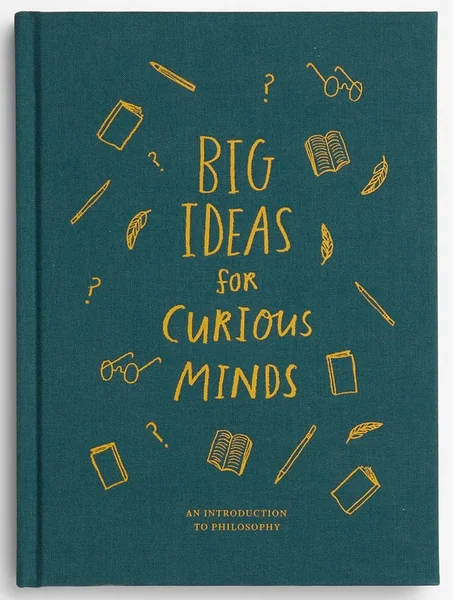
Big Ideas for Curious Minds: An Introduction to Philosophy by The School of Life
4.8/5
Big Ideas for Curious Minds: An Introduction to Philosophy, written by The School of Life, edited by Alain de Botton, and illustrated by Anna Doherty, distills ideas from 25 philosophers into accessible, self-help-framed chapters designed to help children ages 9 and up engage with fundamental questions about how to live. Publishers Weekly called it "a useful, if narrow, introduction to emotional intelligence via philosophical thought," and critical coverage named it among its Best Children's Books of 2018 — a strong reception for an illustrated children's philosophy title with a distinctly practical bent.
Reviewed Jun 14, 2026

A Simpler Life: A guide to greater serenity, ease, and clarity by The School of Life
4.5/5
A Simpler Life is a self-help guide from The School of Life — the global organisation founded under the direction of series editor Alain de Botton — that takes a psychological approach to minimalism, addressing not just the clutter in closets and calendars but the deeper roots of distraction and complexity in relationships, work, social life, and culture. Published in hardcover by The School of Life Press in May 2022, the book is designed for readers who crave a more pared-down, peaceful, and focused existence but recognise that surface-level decluttering is rarely enough to get them there. Multiple NetGalley reviewers responded warmly to its short, accessible chapters and its invitation to self-examination.
Reviewed Mar 17, 2026
Authors Like The School of Life

Jonathan Haidt
Jonathan David Haidt is an American social psychologist and author.
2 books reviewed

Yuval Noah Harari
Yuval Noah Harari is an Israeli medievalist, military historian, public intellectual, and popular science writer.
1 book reviewed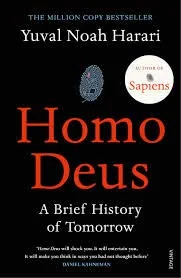
Daniel Bulmez
Marcus Aurelius
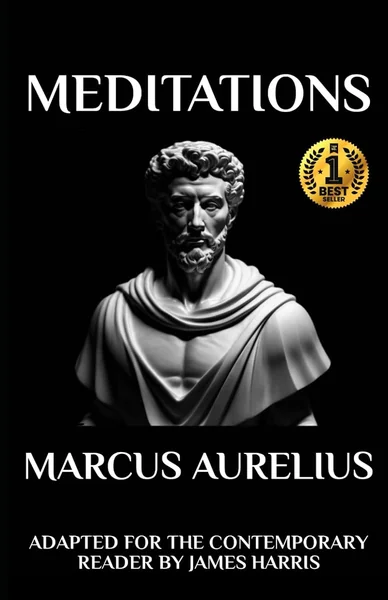
Marcus Aurelius (April 26, 121 CE – March 17, 180 CE) was a Roman Emperor (161–180 CE) born into a wealthy patrician family in Rome. Raised by his mother and paternal grandfather after his father's death, he is best known for his *Meditations*, a series of private writings on Stoic philosophy that remain a key source for understanding ancient Stoicism.
2 books reviewed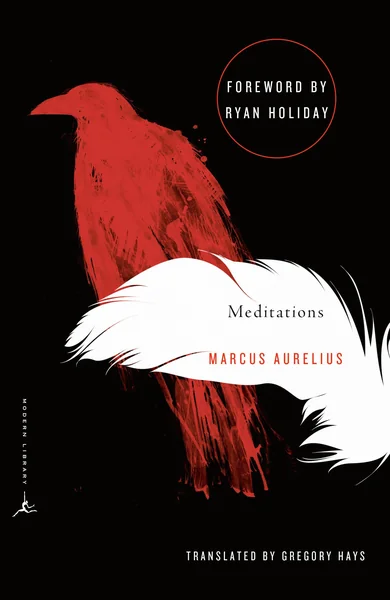
Tejas Hiremani
Tejas Hiremani is the author of *The Principles of Creation: The Underlying Spiritual Forces to Guide Life, from Genesis to the Space Age*. Described as a successful investor, he compiled seven timeless principles intended to guide human progress and self-understanding. The book was self-published under his own name in hardcover.
1 book reviewed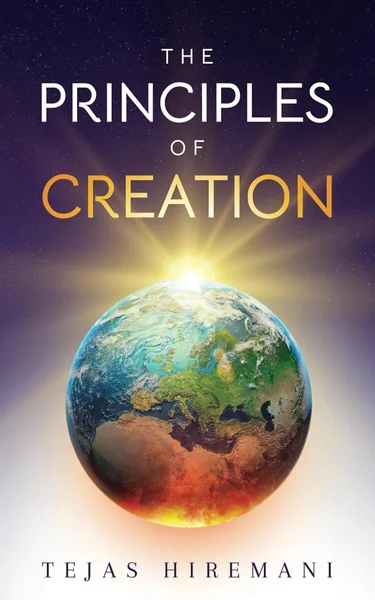
Jackson Ridge