Thomas E. Kida
1
Books ReviewedAsk LuvemBooks about Thomas E. Kida
- Where should I start?
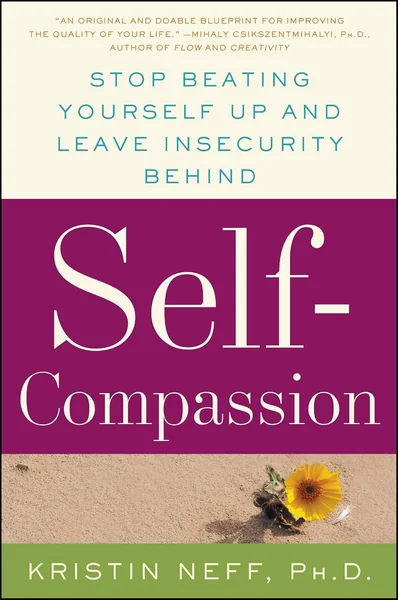
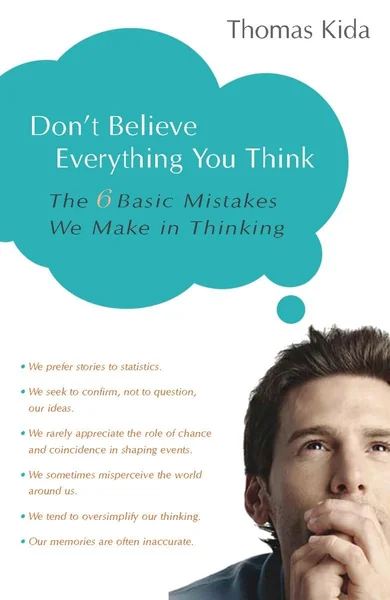
- Don't Believe Everything You Think is both Kida's most recognized work and the natural entry point for new readers. It structures its argument around six concrete cognitive mistakes — such as confusing correlation with causation and overweighting personal experience — which gives readers an immediately useful framework rather than abstract theory. With a reader rating of 4.4 out of 5 on Amazon across nearly 200 ratings, it has clearly connected with a broad audience.
- What's their writing style?
- Kida writes in a clear, measured academic voice that he carefully translates for non-specialist readers — precise enough to reflect the research, but plain enough to stay practical. Rather than relying on storytelling or narrative arc, he structures his arguments around enumerated frameworks: in Don't Believe Everything You Think, each of the six cognitive mistakes gets its own focused treatment with real-world examples drawn from science, medicine, and everyday life. The tone is earnest and direct, the goal consistently diagnostic — he wants readers to identify flaws in their own thinking rather than simply feel entertained.
- Books we've reviewed
- LuvemBooks has reviewed one book by Thomas E. Kida: Don't Believe Everything You Think: The 6 Basic Mistakes We Make in Thinking, a self-help and critical-thinking title that examines the specific cognitive errors — from pattern-seeking to confirmation bias — that distort everyday reasoning. It holds a reader rating of 4.4 out of 5 on Amazon from 184 ratings.
- What genre do they write?
- Kida writes in the self-help and personal development genre, specifically within the subfield of critical thinking and behavioral science. His work sits alongside authors like Daniel Kahneman and Carl Sagan who write about human reasoning for a general audience — accessible in tone but rooted in academic research on judgment and decision-making.
- What should I read after Don't Believe Everything You Think?
- If Don't Believe Everything You Think resonated with you, natural next reads include Daniel Kahneman's Thinking, Fast and Slow for a deeper, more expansive look at cognitive biases, or Carl Sagan's The Demon-Haunted World for a passionate defense of scientific skepticism. For a more decision-focused follow-up, Richard Thaler and Cass Sunstein's Nudge explores how the same cognitive errors Kida describes can be accounted for in policy and personal choice.
Who is Thomas E. Kida?
Follow up
Synthesized from verified book data & published reviews · How we review
Press Enter to ask. Answers come from our editorial Q&A — start typing to see related questions.
Authors Like Thomas E. Kida
Carol S. Dweck
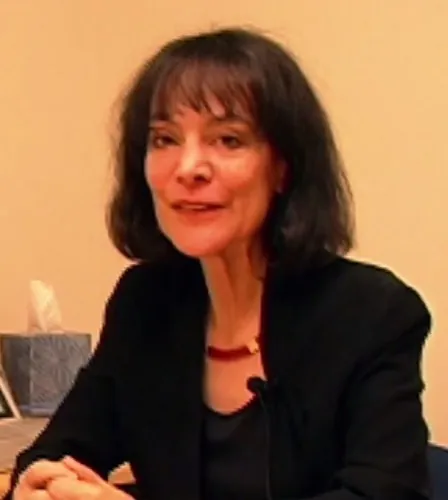
Carol S. Dweck, Ph.D., is an American psychologist and author best known for her research on mindset, motivation, and success. She coined the term "growth mindset" and brought it mainstream with her 2006 book *Mindset: The New Psychology of Success*. She has held professorships at Columbia and Harvard Universities, has lectured worldwide, and is married to David Goldman, a national theatre director and founder of the National Center for New Plays at Stanford.
1 book reviewed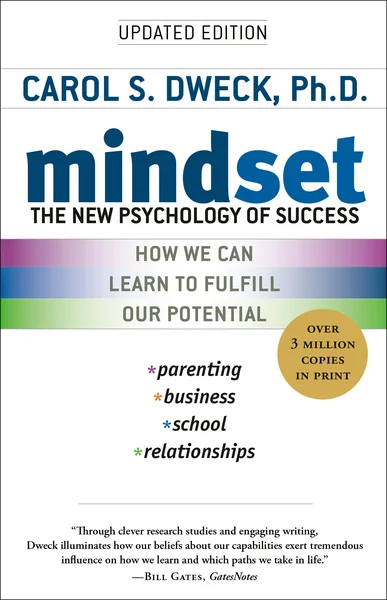
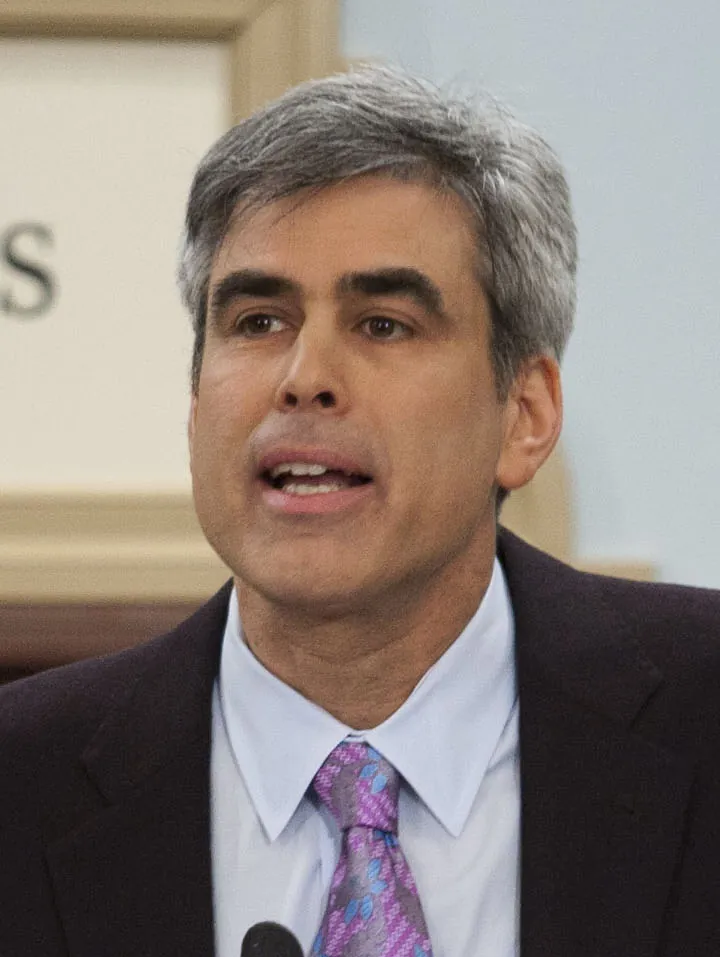
Jonathan Haidt
Jonathan David Haidt is an American social psychologist and author.
3 books reviewed
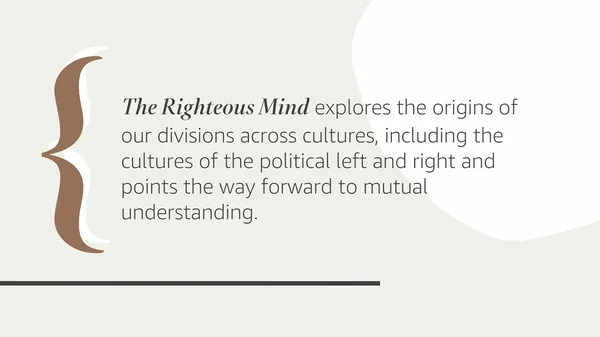

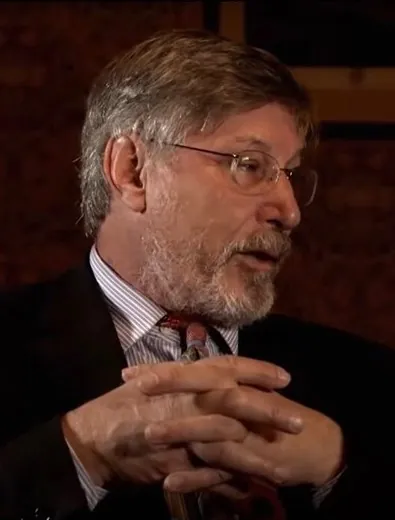
Bessel van der Kolk
Bessel van der Kolk is a Boston-based Dutch-American psychiatrist, author, researcher and educator.
1 book reviewed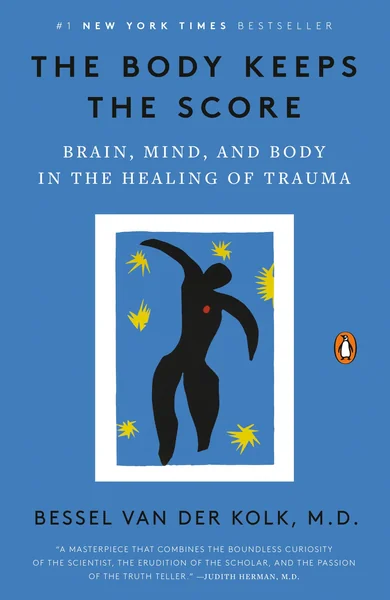

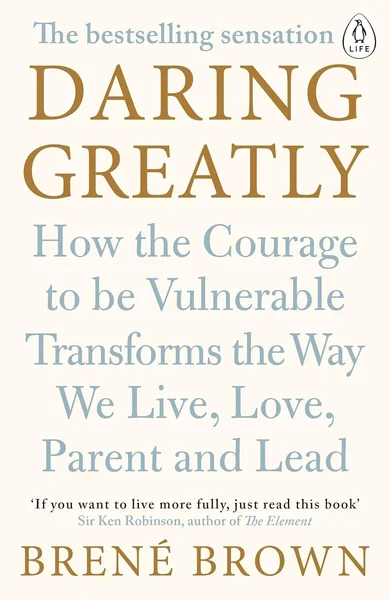
Brené Brown
Casandra Brené Brown is an American academic and podcaster who is the Huffington Foundation's Brené Brown Endowed Chair at the University of Houston's Graduate College of Social Work and a visiting professor in management at the McCombs School of Business in the University of Texas at Austin..
2 books reviewed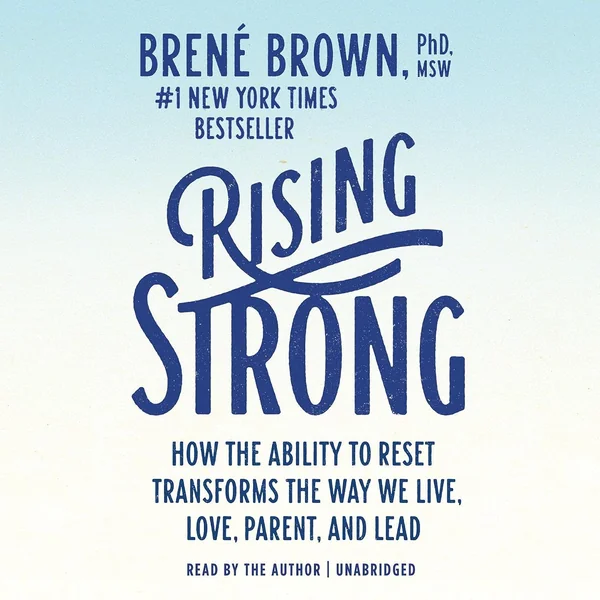

Donella H. Meadows
Donella Hager "Dana" Meadows was an American environmental scientist, educator, and writer.
1 book reviewed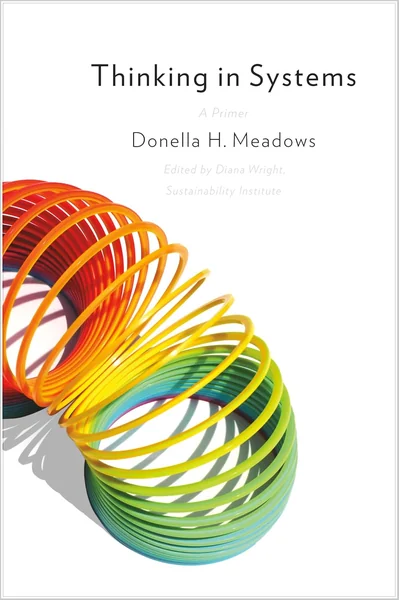

Kristin Neff
Kristin Neff, Ph.D., is an Associate Professor of Educational Psychology at the University of Texas at Austin and a pioneer in self-compassion research, having conducted the first empirical studies in the field. She is the author of Self-Compassion: The Proven Power of Being Kind to Yourself (William Morrow, 2011) and co-founded the nonprofit Center for Mindful Self-Compassion (CMSC).
1 book reviewed