

Stephen Hawking
English
1942 – 2018
Stephen William Hawking was an English theoretical astrophysicist, cosmologist, and author who was director of research at the Centre for Theoretical Cosmology at the University of Cambridge. Between 1979 and 2009, he was the Lucasian Professor of Mathematics at Cambridge, widely viewed as one of the most prestigious academic posts in the world.
On LuvemBooks, we've reviewed A Brief History of Time.
1
Books ReviewedIn Stephen Hawking's own words
Stephen Hawking discusses the reception and global success of A Brief History of Time in an archival news report.
Recorded 1992 · Uploaded by Daily Mail World, 2018 · Watch on YouTube ·
Also in this interview
Stephen Hawking books in order
1 books; 1 reviewed on LuvemBooks. Dates and covers from Amazon.
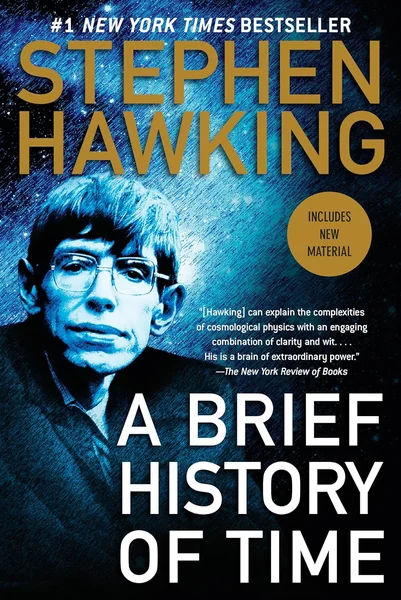 1988Our review →
Ask LuvemBooks about Stephen Hawking
With 1 book reviewed on LuvemBooks, Stephen Hawking is represented by A Brief History of Time, the 1988 work of popular science that made cosmology accessible to a mass audience — it has sold more than 25 million copies in 40 languages and earned a spot on Time magazine's list of the 100 best nonfiction books. It holds a 4.6/5 reader rating from over 11,500 Amazon ratings, evidence of how durably Hawking's explanations of the universe have resonated with general readers.
- Where should I start?
- Start with A Brief History of Time — it's the only Hawking book we've reviewed, and it's the work that defined their reputation as a writer for general audiences. Its track record speaks for itself: over 25 million copies sold in 40 languages, a place on Time's 100 best nonfiction list, and a 4.6/5 reader rating from 11,547 Amazon ratings.
- What's their writing style?
- Based on the book we've reviewed, Hawking wrote popular science — taking the subject matter of theoretical cosmology and presenting it for readers without specialist training. The extraordinary reach of A Brief History of Time (25 million copies, 40 languages) suggests an approach that connected far beyond the academic world. For a fuller picture, see our review of the book itself.
- Books we've reviewed
- We've reviewed 1 Stephen Hawking book: A Brief History of Time (Science & Nature), their landmark 1988 work of popular science. It carries a 4.6/5 reader rating from 11,547 Amazon ratings.
- What genre do they write?
- Based on the book we've reviewed, Hawking wrote popular science in the Science & Nature category. A Brief History of Time translates the concerns of theoretical cosmology — Hawking's academic field — for a general readership.
- Why is A Brief History of Time so famous?
- Few science books have matched its reach: more than 25 million copies sold in 40 languages since 1988, and a place on Time magazine's list of the 100 best nonfiction books since the publication's founding. Its 4.6/5 reader rating from 11,547 Amazon ratings shows that readers continue to respond to it decades after publication.
Who is Stephen Hawking?
Where should I start?
What's their writing style?
Books we've reviewed
What genre do they write?
Why is A Brief History of Time so famous?
Who is Stephen Hawking?
Stephen William Hawking was an English theoretical astrophysicist, cosmologist, and author who served as director of research at the Centre for Theoretical Cosmology at the University of Cambridge. They are best known to general readers for A Brief History of Time, first published in 1988, which became one of the most consequential works of popular science ever written.
Follow up
What is Stephen Hawking best known for?
What was Hawking's academic role?
Synthesized from verified book data & published reviews · How we review
Press Enter to ask. Answers come from our editorial Q&A — start typing to see related questions.
Authors Like Stephen Hawking

Carl Sagan
Science & Nature
Carl Sagan's The Demon-Haunted World shares Hawking's awe at the cosmos and his ambition to make hard ideas genuinely accessible through clear scientific thinking.
1 book reviewed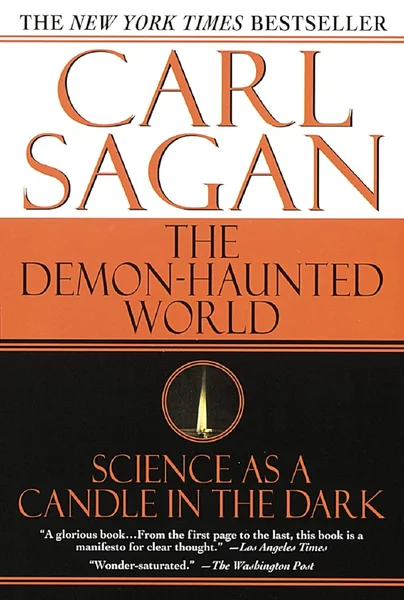

Carlo Rovelli
Science & Nature
Carlo Rovelli's The Order of Time shares Hawking's ambition to make deep physics feel personally urgent, exploring the nature of spacetime through a lyrical meditation.
1 book reviewed

James Gleick
Science & Nature
James Gleick's Chaos mirrors Stephen Hawking's blend of biography and big ideas, chronicling a paradigm-shifting science for general readers standing at the edge of human knowledge.
1 book reviewed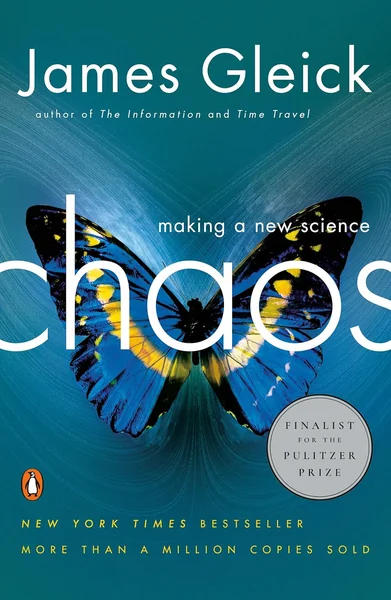

Brian Cox
Science & Nature
Brian Cox's Black Holes updates the science of black holes and Hawking radiation with post-Hawking discoveries, including gravitational waves and the information paradox.
1 book reviewed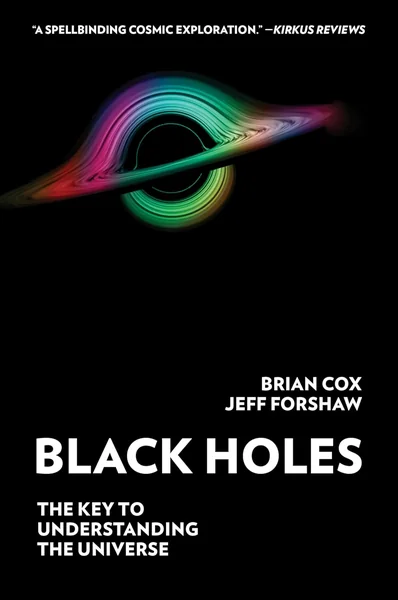

Jeff Forshaw
Science & Nature
Jeff Forshaw’s Black Holes updates black-hole science with post-Hawking discoveries, exploring gravitational waves and the information paradox for readers seeking the modern picture.
1 book reviewed
Sean Carroll
Science & Nature
Sean Carroll’s The Biggest Ideas in the Universe covers the same cosmological territory as Hawking, exploring spacetime while incorporating the actual equations alongside the concepts.
1 book reviewed