Lou Schuler
2
Books ReviewedAsk LuvemBooks about Lou Schuler
- Where should I start?
- If you are new to Schuler's work, The New Rules of Lifting is the natural entry point — it lays out the core philosophy of the series (prioritising compound movements, progressive overload, and intelligent programming) before any of the audience-specific volumes. It holds a 4.5/5 reader rating on Amazon from 365 ratings, suggesting it lands well even with readers picking up a strength book for the first time. Women readers, or anyone buying primarily for a female athlete, may prefer to jump straight to The New Rules of Lifting for Women, which adapts the same framework with Cassandra Forsythe's nutritional input.
- What's their writing style?
- Schuler writes in a direct, conversational tone that reflects his background in journalism — he explains the reasoning behind each training decision rather than simply issuing instructions, which gives his books a tutorial quality without becoming academic. A recurring technique across the reviewed titles is using myth-busting framing: he opens arguments by naming a widely held gym belief and then dismantling it with research and practical logic. The result reads less like a workout manual and more like a knowledgeable trainer talking you through why the conventional approach is leaving results on the table.
- Books we've reviewed
- We have reviewed two of Lou Schuler's books on LuvemBooks. The New Rules of Lifting: Six Basic Moves for Maximum Muscle (co-authored with Alwyn Cosgrove) is the series foundation, making the case for compound-movement training and earning a 4.5/5 reader rating on Amazon from 365 ratings. The New Rules of Lifting for Women: Lift Like a Man, Look Like a Goddess (co-authored with Cassandra Forsythe and Alwyn Cosgrove) applies the same framework with a programme and nutritional approach tailored for women, backed by 1,538 Amazon ratings at 4.4/5.
- How do their books compare?
- The two reviewed titles share the same foundational argument — that most people would get better results from fewer, heavier compound exercises than from the machine circuits and cardio-heavy routines still common in gyms — but they differ meaningfully in audience and co-authorship. The New Rules of Lifting presents the philosophy in its most general form, while The New Rules of Lifting for Women adds Cassandra Forsythe's nutritional guidance and addresses the specific cultural pressures that often push women toward ineffective low-weight, high-rep training. If the core philosophy is what interests you, either book delivers it; if the nutritional content or the gender-specific framing matters, the women's volume is the more complete package.
- What genre do they write?
- Schuler writes in the Health and Wellness non-fiction genre, specifically within the strength training and fitness instruction space. His books are practical rather than purely theoretical — they include structured training programmes alongside the explanatory prose — which places them closer to instructional manuals than to popular science writing, even though both elements are present. Readers who enjoy evidence-based fitness writing from authors like Mark Rippetoe or Stuart McGill are likely to find Schuler's approach familiar in spirit, if more accessible in tone.
- What should I read after The New Rules of Lifting?
- The most direct next step after The New Rules of Lifting is The New Rules of Lifting for Women, which develops the same framework with additional nutritional depth and a different programme structure — even if you are not a woman, the extended reasoning Cassandra Forsythe provides around diet and recovery makes it a worthwhile companion read. Beyond Schuler's own series, readers who respond to his evidence-based approach often move toward works by other practitioner-authors in the strength space who share his emphasis on compound movements and progressive programming.
Who is Lou Schuler?
Follow up
Synthesized from verified book data & published reviews · How we review
Press Enter to ask. Answers come from our editorial Q&A — start typing to see related questions.
The New Rules of Lifting for Women: Lift Like a Man, Look Like a Goddess by Lou Schuler and Cassandra Forsythe and Alwyn Cosgrove
4.4/5
This fitness guide by Lou Schuler, Cassandra Forsythe, and Alwyn Cosgrove makes a direct, research-backed case that strength training — not aerobics — is the foundation women need for fat loss and a fit, strong body, packaging that argument into a comprehensive program that covers lifting, conditioning, and nutrition.
Reviewed Feb 16, 2026
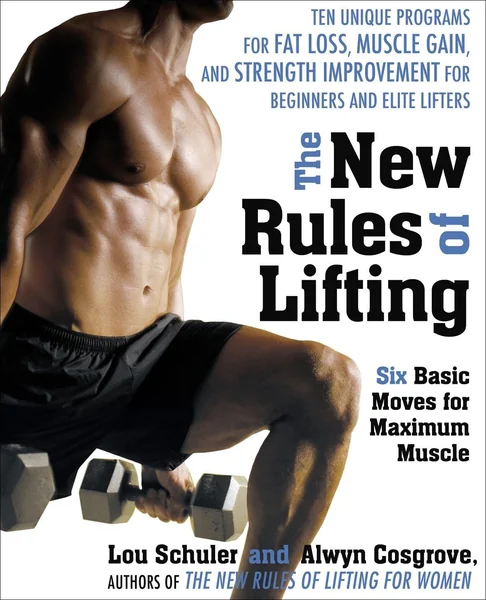
The New Rules of Lifting: Six Basic Moves for Maximum Muscle by Lou Schuler, Alwyn Cosgrove
4.5/5
The New Rules of Lifting: Six Basic Moves for Maximum Muscle by Lou Schuler and Alwyn Cosgrove is a comprehensive fitness book that challenges conventional gym wisdom, anchoring its program in six fundamental movement patterns and the latest exercise science research to help readers build muscle and strength more efficiently.
Reviewed Mar 7, 2026
Authors Like Lou Schuler

Bessel van der Kolk
Bessel van der Kolk is a Boston-based Dutch-American psychiatrist, author, researcher and educator.
1 book reviewed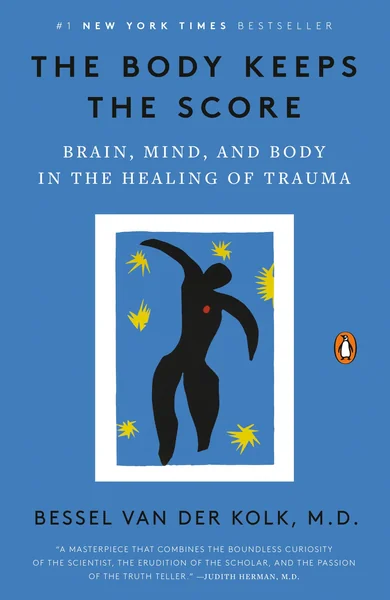

Kristin Neff
Kristin Neff, Ph.D., is an Associate Professor of Educational Psychology at the University of Texas at Austin and a pioneer in self-compassion research, having conducted the first empirical studies in the field. She is the author of Self-Compassion: The Proven Power of Being Kind to Yourself (William Morrow, 2011) and co-founded the nonprofit Center for Mindful Self-Compassion (CMSC).
1 book reviewed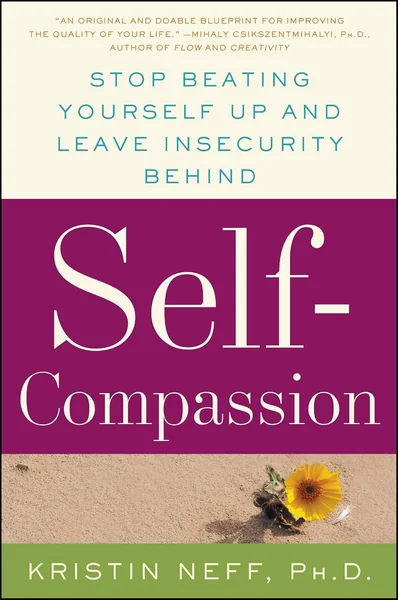

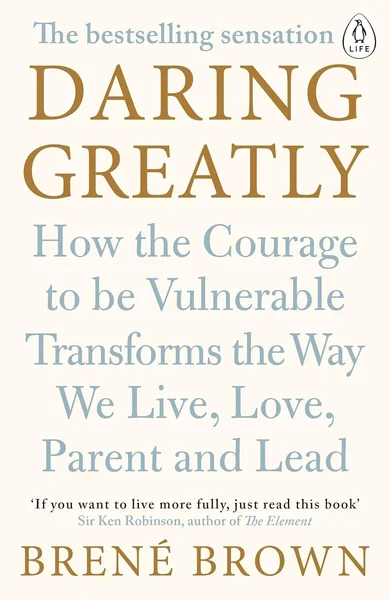
Brené Brown
Casandra Brené Brown is an American academic and podcaster who is the Huffington Foundation's Brené Brown Endowed Chair at the University of Houston's Graduate College of Social Work and a visiting professor in management at the McCombs School of Business in the University of Texas at Austin..
3 books reviewed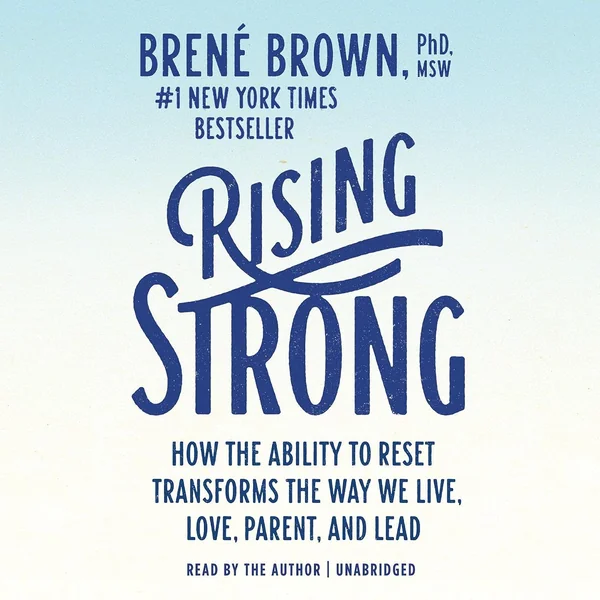

Mel Robbins
Melanie Lee Robbins is an American author, podcast host, and lawyer..
2 books reviewed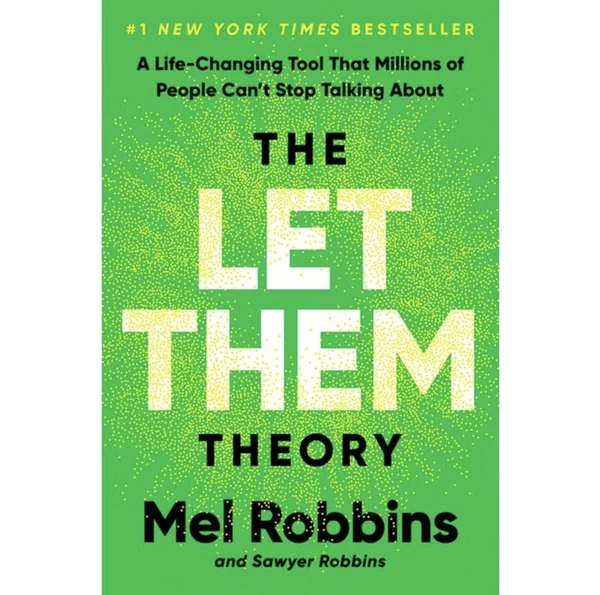


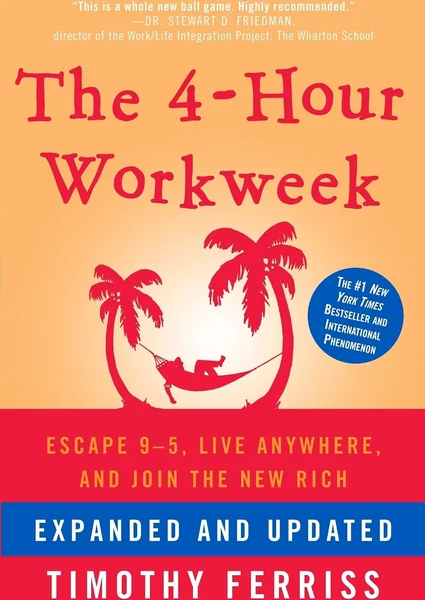
Timothy Ferriss
Timothy Ferriss is an American entrepreneur, investor, author, podcaster, and lifestyle guru.
2 books reviewed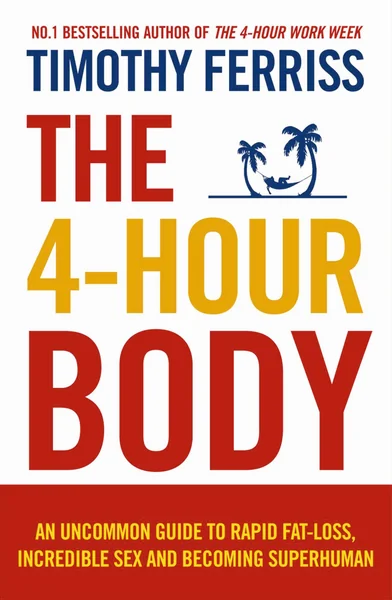
Jon Kabat-Zinn
Jon Kabat-Zinn (born June 5, 1944) is an American professor emeritus of medicine at the University of Massachusetts Medical School, scientist, writer, and meditation teacher. He is the creator of the Stress Reduction Clinic and the founder of Mindfulness-Based Stress Reduction (MBSR). His books include *Full Catastrophe Living* (1990) and *Wherever You Go, There You Are*, among others.
4 books reviewed