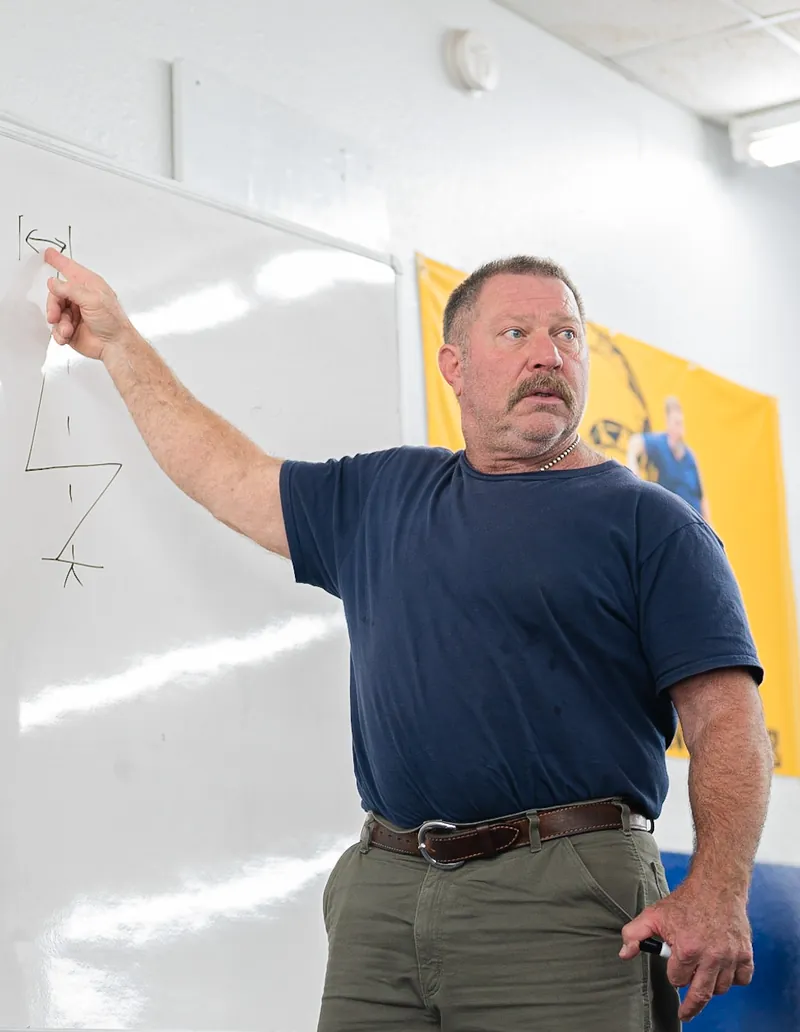
Mark Rippetoe
1
Books ReviewedAsk LuvemBooks about Mark Rippetoe
- Where should I start?
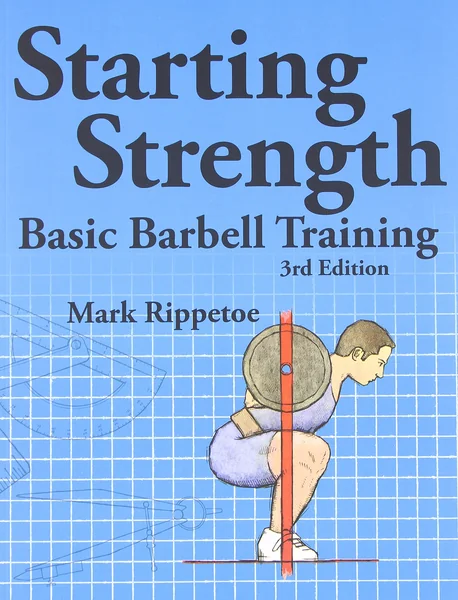
- There is only one place to start: Starting Strength: Basic Barbell Training, which is both Rippetoe's defining work and the foundational text of the methodology he teaches. It is written for beginners to intermediate lifters and works best when read as an instructional manual rather than a cover-to-cover narrative — the early chapters on squat mechanics alone are worth the price for anyone serious about barbell training. With a reader rating of 4.8/5 from over 6,600 Amazon ratings, it has proven consistently useful across a wide range of readers.
- What's their writing style?
- Rippetoe writes in a direct, opinionated voice that reads more like a seasoned coach talking to a serious student than a fitness author pitching a product. He is not reluctant to argue against commonly held training assumptions, and he backs his positions with anatomical and biomechanical reasoning rather than appeals to authority or popularity. His prose is dense in places — Starting Strength devotes significant space to the physics of the squat and deadlift — but readers who engage with it carefully tend to find that density informative rather than excessive.
- Books we've reviewed
- LuvemBooks has reviewed one book by Mark Rippetoe: Starting Strength: Basic Barbell Training, a detailed instructional manual on barbell lifting technique and novice programming that carries a reader rating of 4.8/5 from over 6,600 Amazon ratings — one of the highest-rated books in its category.
- What genre do they write?
- Rippetoe writes in the Health & Wellness genre, with a specific focus on strength training instruction and exercise science. His work sits closer to coaching manual than general wellness guide — Starting Strength is built around the biomechanics and programming of barbell lifting, and is most relevant to readers with a genuine interest in getting stronger through structured resistance training.
- What should I read after Starting Strength?
- After Starting Strength: Basic Barbell Training, readers who want to continue with Rippetoe's approach typically move to Practical Programming for Strength Training, which he co-authored with Andy Baker and which addresses how to structure and progress training beyond the novice phase. For readers who want to broaden their understanding of strength and conditioning more generally, works by coaches like Dan John or Pavel Tsatsouline offer complementary perspectives on similar themes.
Who is Mark Rippetoe?
Follow up
Synthesized from verified book data & published reviews · How we review
Press Enter to ask. Answers come from our editorial Q&A — start typing to see related questions.
Authors Like Mark Rippetoe

Bessel van der Kolk
Bessel van der Kolk is a Boston-based Dutch-American psychiatrist, author, researcher and educator.
1 book reviewed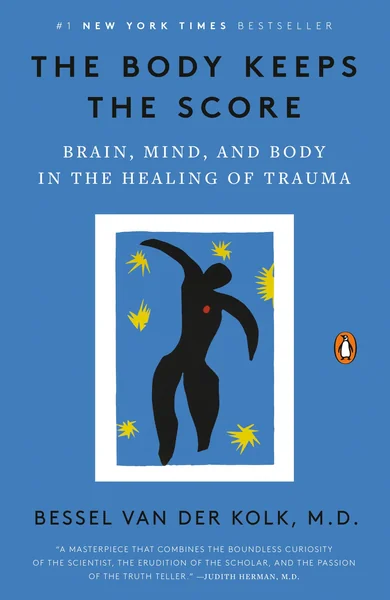
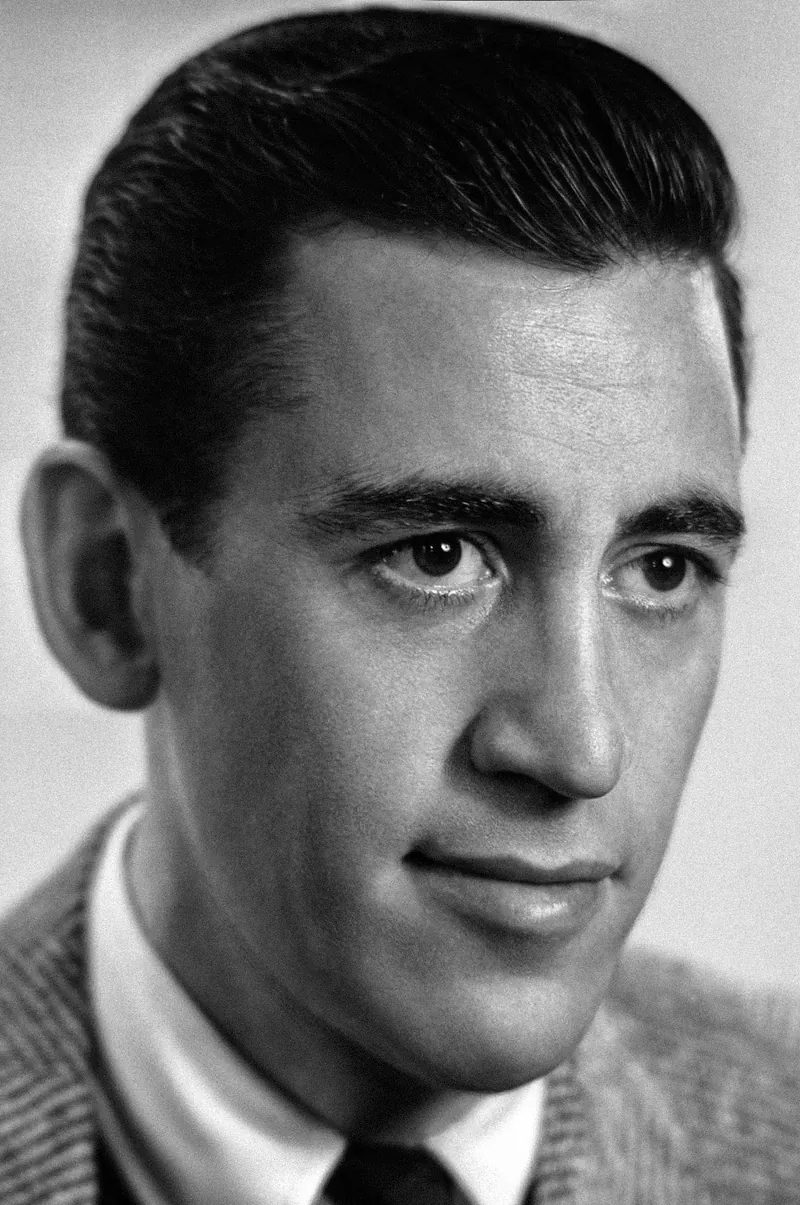
J. D. Salinger
Jerome David Salinger was an American author best known for his 1951 novel The Catcher in the Rye.
1 book reviewed

Kristin Neff
Kristin Neff, Ph.D., is an Associate Professor of Educational Psychology at the University of Texas at Austin and a pioneer in self-compassion research, having conducted the first empirical studies in the field. She is the author of Self-Compassion: The Proven Power of Being Kind to Yourself (William Morrow, 2011) and co-founded the nonprofit Center for Mindful Self-Compassion (CMSC).
1 book reviewed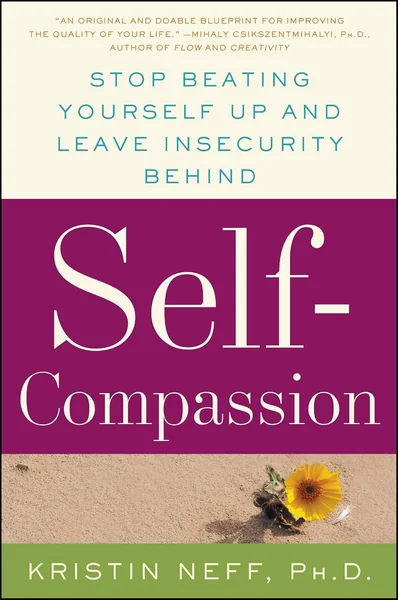

Peter Attia
Peter Attia is a Canadian-American author and former researcher known for his work in longevity medicine.
1 book reviewed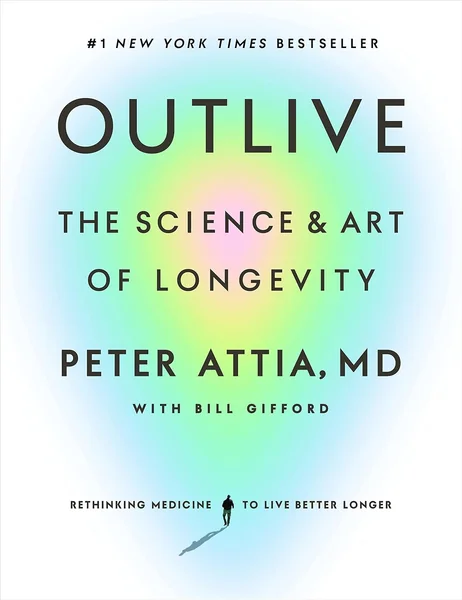

Sylvia Plath
Sylvia Plath was an American poet and author.
1 book reviewed
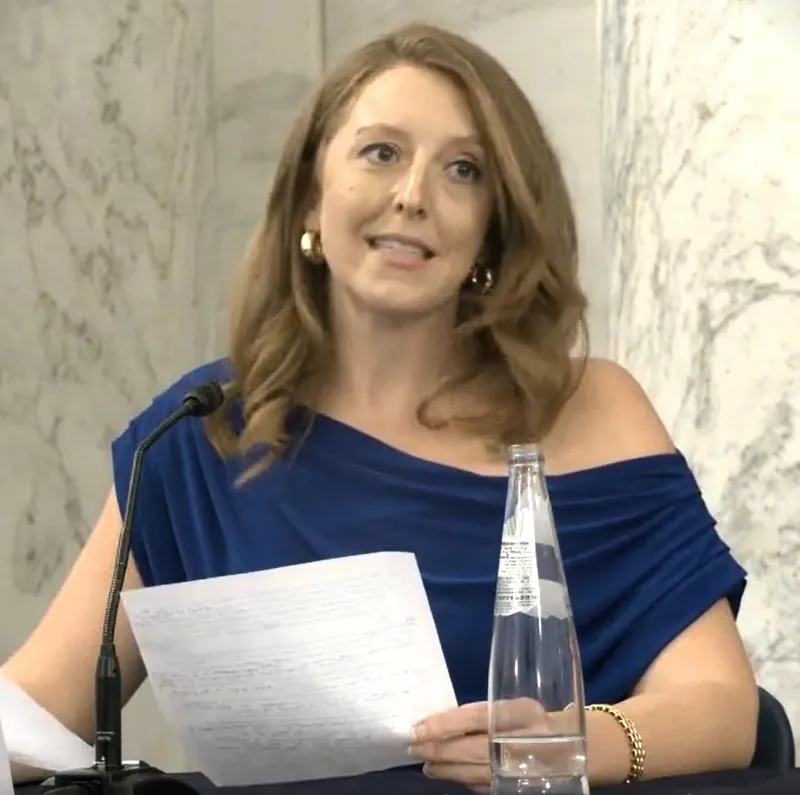
Casey Means
Paula Casey Means, known as Casey Means, is an American wellness influencer, author, and former physician..
1 book reviewed