Skip to content
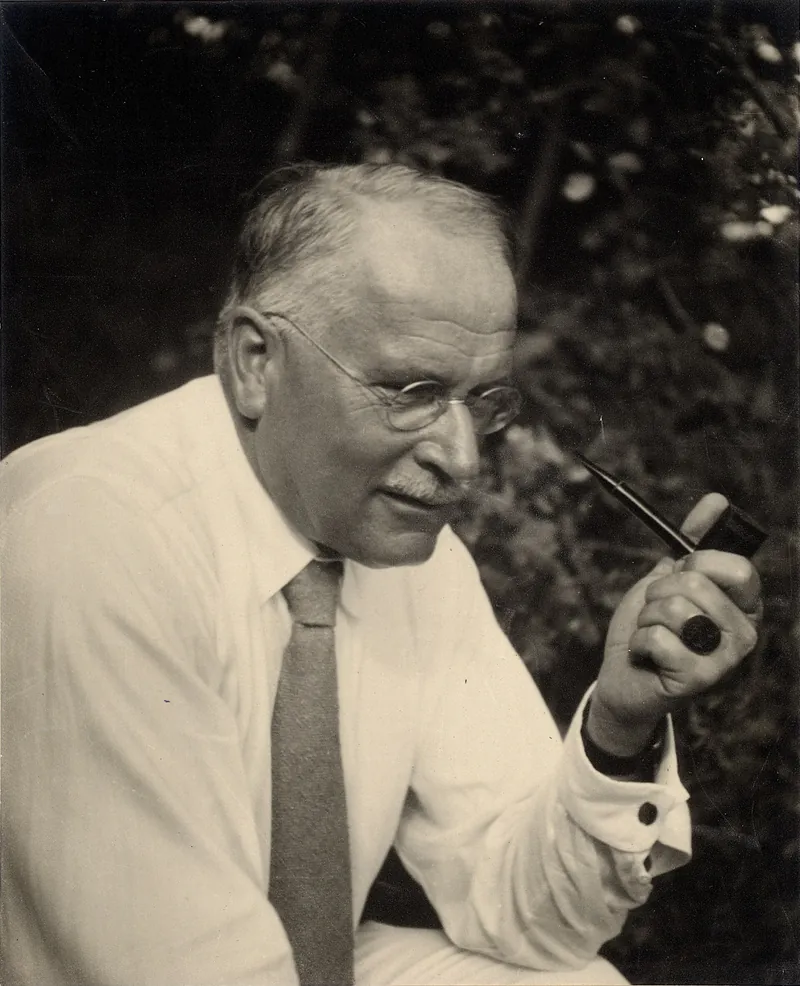
C. G. Jung, author portrait
Photo:Unbekannt·PDM-owner·
Commons

C. G. Jung

1875 – 1961
Carl Gustav Jung was a Swiss psychiatrist, psychotherapist, and psychologist who founded the school of analytical psychology. He was a prolific author of over twenty books, illustrator, correspondent, and academic, best known for his concept of archetypes. Widely considered one of the most influential psychologists of all time, Jung's work has fostered not only scholarship, but also popular interest. His work has been influential in the fields of psychiatry, anthropology, archaeology, literature, philosophy, psychology, and religious studies.
On LuvemBooks, we've reviewed 2 of C. G. Jung's books, including Symbols of Transformation and Psychology of the Unconscious.
2
Books Reviewed

In C. G. Jung's own words

In this 1959 BBC Face to Face interview with John Freeman, Carl Gustav Jung reflects on his life, his split with Freud, and the depths of the human psyche.

Recorded 1959 · Uploaded by KidMillions, 2018 · Watch on YouTube ·

Knowing Rather Than Believing in God

When asked if he believes in God, Jung explains that belief is difficult for him because he requires reasons or direct experience. He states that he does not need to believe because he knows.

Break With Freud Over Unconscious Theory

Jung affirms that publishing his work marked the final cause of his split with Sigmund Freud. He notes that he harbored reservations from the beginning because Freud disregarded historical conditions and relied on a purely personal approach.

Sun Phallus Vision and Impersonal Psyche

Jung recounts a schizophrenic patient who hallucinated a tube dangling from the sun generating the wind. Four years later, Jung encountered the exact same vision in an ancient Mithras liturgy papyrus, which he saw as evidence of an impersonal stratum of the psyche.

Analyzing His Own Psychological Type

Jung reflects that psychological types change over a lifetime rather than remaining static. He describes himself as characterized primarily by thinking and intuition, while admitting longstanding difficulties with feeling and adapting to reality.

Man as the Only Real Danger

Jung argues that the world urgently needs a deeper understanding of psychology because the primary threat to humanity is man himself. He warns that people are pitifully ignorant of the psyche, which remains the origin of all impending evil.

In order

C. G. Jung books in order

25 books, 2 series; 2 reviewed on LuvemBooks. Dates and covers from Amazon.

Collected Works of C.G. Jung4 books

  1. Symbols of Transformation cover
    #51967
    Our review →
  2. Psychology and Alchemy cover
    #121980
    Psychology and Alchemy
    Amazon ↗
  3. Alchemical Studies cover
    #131968
    Alchemical Studies
    Amazon ↗
  4. Mysterium Coniunctionis cover
    #141977
    Mysterium Coniunctionis
    Amazon ↗

Collected Works of C.G. Jung Vol.92 books

  1. The Archetypes and The Collective Unconscious cover
    #11981
    The Archetypes and The Collective Unconscious
    Amazon ↗
  2. Aion cover
    #21979
    Aion
    Amazon ↗

Standalones and other books

  1. Modern Man in Search of a Soul cover
    1955
    Modern Man in Search of a Soul
    Amazon ↗
  2. Memories, Dreams, Reflections cover
    1962
    Memories, Dreams, Reflections
    Amazon ↗
  3. Man and His Symbols cover
    1968
    Man and His Symbols
    Amazon ↗
  4. The Spirit in Man, Art, & Literature cover
    1971
    The Spirit in Man, Art, & Literature
    Amazon ↗
  5. The Undiscovered Self cover
    1972
    The Undiscovered Self
    Amazon ↗
  6. The Practice of Psychotherapy cover
    1985
    The Practice of Psychotherapy
    Amazon ↗
  7. The Psychology of Kundalini Yoga cover
    1996
    The Psychology of Kundalini Yoga
    Amazon ↗
  8. Jung on Active Imagination cover
    1997
    Jung on Active Imagination
    Amazon ↗
  9. Dreams cover
    1997
    Dreams
    Amazon ↗
  10. Jung on Synchronicity and the Paranormal cover
    1998
    Jung on Synchronicity and the Paranormal
    Amazon ↗
  11. Psychology of the Unconscious cover
    2003
    Our review →
  12. The Red Book cover
    2009
    The Red Book
    Amazon ↗
  13. Answer to Job cover
    2010
    Answer to Job
    Amazon ↗
  14. Four Archetypes cover
    2010
    Four Archetypes
    Amazon ↗
  15. Synchronicity cover
    2010
    Synchronicity
    Amazon ↗
  16. The Essential Jung cover
    2013
    The Essential Jung
    Amazon ↗
  17. Two Essays on Analytical Psychology cover
    2014
    Two Essays on Analytical Psychology
    Amazon ↗
  18. Jung's Life and Work cover
    2025
    Jung's Life and Work
    Amazon ↗
  19. Nietzsche's Zarathustra cover
    2026
    Nietzsche's ZarathustraComing soon
    Amazon ↗

Ask LuvemBooks about C. G. Jung

LuvemBooks has reviewed 2 of C. G. Jung's works, and together they tell one story twice: Psychology of the Unconscious is the 1911–12 analysis of Miss Frank Miller's published fantasies through comparative mythology that broke Jung from Freud, while Symbols of Transformation is Jung's own thoroughgoing revision of that same material decades later. Both are dense primary texts rather than gentle introductions, and both carry a 4.7/5 reader rating from Amazon reviewers. For readers tracking how the theory of the collective unconscious was actually built, this pairing is the record of its fault line.
Where should I start?
Start with Psychology of the Unconscious if you want the original 1911–12 statement of Jung's break with Freud, built around a close reading of Miss Frank Miller's published fantasies. Be aware that our review calls it a dense primary text, essential as intellectual history rather than as an introduction — so committed readers will get the most from it.
What's their writing style?
Based on the books we've reviewed, Jung writes dense, argument-driven scholarship rather than popular exposition. Psychology of the Unconscious works by analyzing one case — Miss Frank Miller's published fantasies — through comparative mythology, and our review stresses that it functions as a primary text of intellectual history rather than a friendly entry point.
Books we've reviewed
We've reviewed 2 C. G. Jung books. Psychology of the Unconscious (reader rating 4.7/5 from 606 Amazon ratings) is the 1911–12 original that broke with Freud over libido. Symbols of Transformation (reader rating 4.7/5 from 142 Amazon ratings) is Jung's thoroughgoing revision of that work, published in the Collected Works by Princeton University Press.
How do their books compare?
The two books we've reviewed are directly linked: Symbols of Transformation is Jung's thoroughgoing revision of Psychology of the Unconscious, published as Volume 5 of the Collected Works by Princeton University Press in a translation by R. F. C. Hull and Gerhard Adler. The original captures the raw moment of the Freud split and is framed as intellectual history, while the revision is described as Jung's first sustained declaration of an independent position. Both hold a 4.7/5 reader rating as an Amazon aggregate.
What genre do they write?
Both C. G. Jung books we've reviewed fall in the Psychology genre. More specifically, they are scholarly works of analytical psychology — the school Jung founded — combining case analysis with comparative mythology.
What should I read after Psychology of the Unconscious?
The clear next step among the books we've reviewed is Symbols of Transformation, since it is Jung's thoroughgoing revision of the earlier work. Moving from the 1911–12 original to the Collected Works revision shows you the development of Jung's independent position from Freudian psychology in Jung's own words.
Who is C. G. Jung?

Who is C. G. Jung?

Carl Gustav Jung was a Swiss psychiatrist, psychotherapist, and psychologist who founded the school of analytical psychology. Jung's notable works include Man and His Symbols, and the two books we've reviewed — Psychology of the Unconscious and Symbols of Transformation — document the split with Freud and the early formation of the collective unconscious theory.

Follow up

What was Jung's break with Freud about?
How are Jung's books rated by readers?

Synthesized from verified book data & published reviews · How we review

​

Press Enter to ask. Answers come from our editorial Q&A — start typing to see related questions.

Authors Like C. G. Jung
J

Joseph Burgo

Psychology
Joseph Burgo’s Why Do I Do That? shares Jung's focus on psychology, applying psychoanalytic defense mechanisms to everyday behavior in direct, plain prose.
1 book reviewed
Why Do I Do That?: Psychological Defense Mechanisms
Michael Pollan

Michael Pollan

Philosophy & Religion
Psychology

**Michael Kevin Pollan** is an American journalist specializing in food.

1 book reviewed
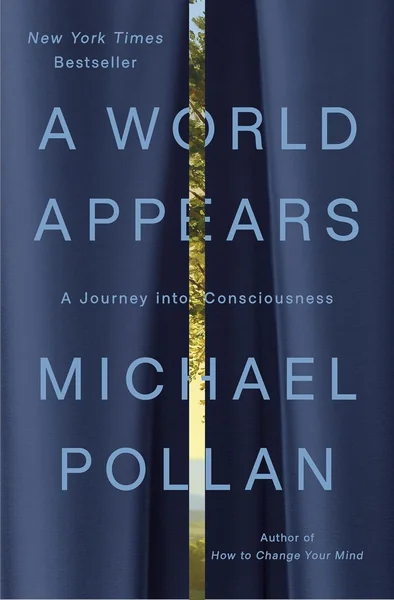
A World Appears: A Journey into Consciousness
S

Shad Helmstetter

Psychology

Shad Helmstetter, Ph.D., is an international best-selling author of more than twenty-five books in the field of personal growth, including the classic What to Say When You Talk to Your Self, published in over 70 countries, and The Power of Neuroplasticity. He is the founder and chairman of The Self-Talk Institute, established in 1985, and the founder of The Life Coach Institute, which trains and certifies coaches internationally.

1 book reviewed
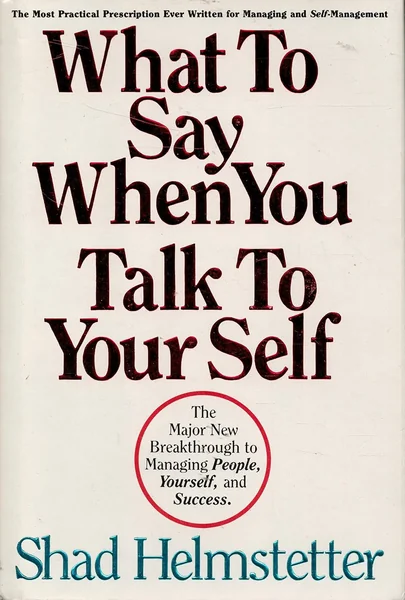
What to Say When You Talk to Your Self: The Major New Breakthrough to Managing People, Yourself, and Success
T

Three Initiates

Philosophy & Religion
History

William Walker Atkinson was an American attorney, publisher, author, and pioneer of the New Thought movement.

1 book reviewed
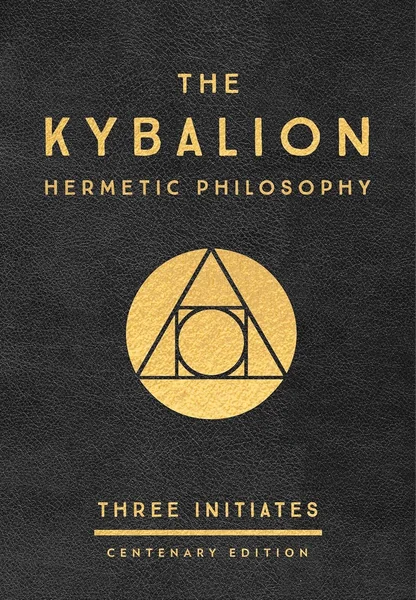
The Kybalion: Centenary Edition
Friedrich Nietzsche

Friedrich Nietzsche

Philosophy & Religion
History

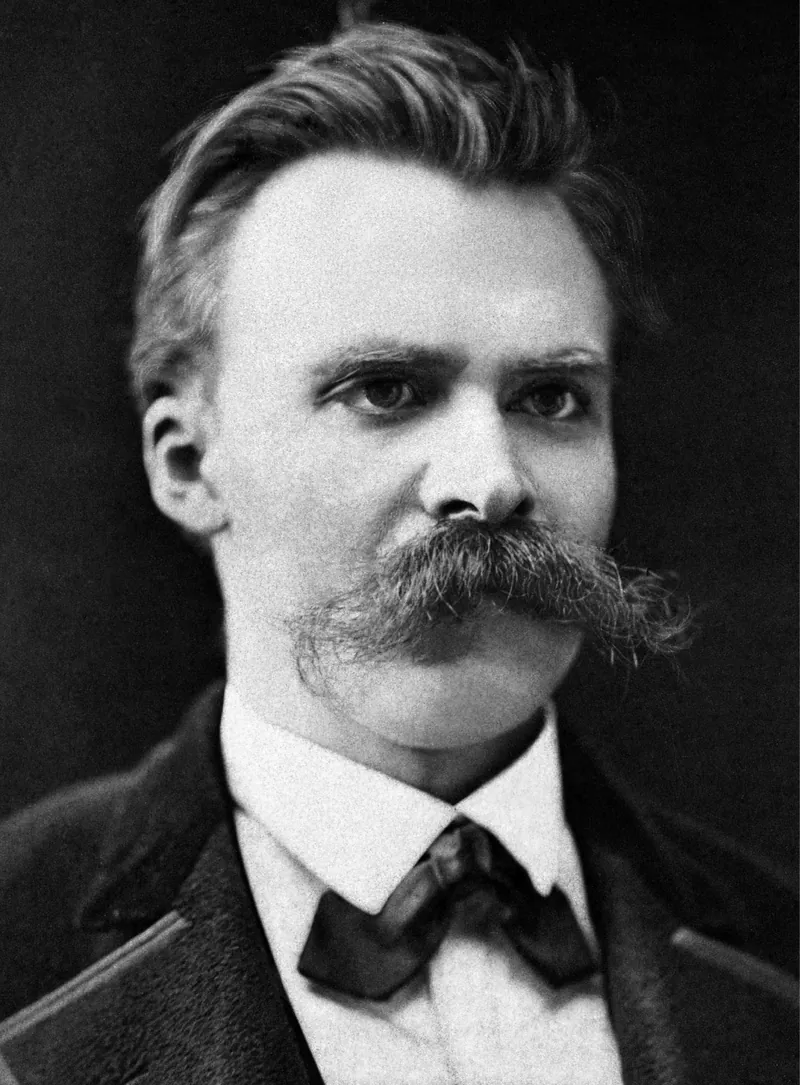
Friedrich Wilhelm Nietzsche was a German philosopher and writer who started his career as a classical philologist and turned to philosophy early in his academic career.

1 book reviewed
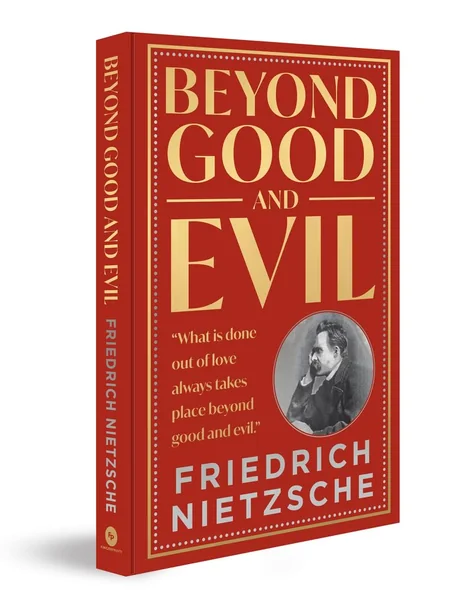
Beyond Good And Evil
L

Lisa Barrett

Psychology

Lisa Feldman Barrett is a neuroscientist, psychologist, and author known for her work on the science of emotion. She is the author of How Emotions Are Made: The Secret Life of the Brain and Seven and a Half Lessons About the Brain. A world expert in the psychology of emotion, she is also an elected member of the Royal Society of Canada and has received funding from the National Institutes of Health.

1 book reviewed
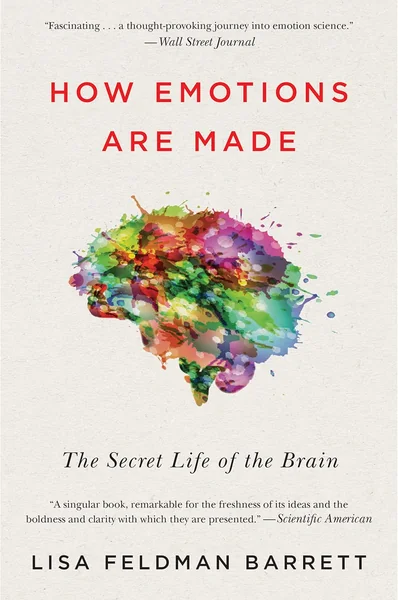
How Emotions Are Made: The Secret Life of the Brain―How We Create