Kazuo Ishiguro
2
Books ReviewedAsk LuvemBooks about Kazuo Ishiguro
- Where should I start?
- The Remains of the Day is the natural entry point — it is the book that best demonstrates Ishiguro's central technique of the unreliable narrator, and its confined, quietly devastating portrait of a butler reckoning with a life of misplaced duty is immediately accessible without any prior familiarity with his work. It also carries the stronger reader rating of the two books we've reviewed, at 4.4/5 from over 28,000 Amazon ratings.
- What's their writing style?
- Ishiguro writes in a restrained first person, typically giving his narrators a calm, reflective voice that gradually reveals how much they have suppressed or misunderstood about their own lives. The gap between what a narrator says and what the reader understands is where most of the emotional weight lives — he rarely states feelings directly, instead letting them surface through deflection and understatement. Across both reviewed books, his prose is precise and unshowy, closer to late Henry James in its interior focus than to any genre convention.
- Books we've reviewed
- We have reviewed two Ishiguro novels on LuvemBooks. The Remains of the Day (Literary Fiction) is his Booker Prize-winning portrait of a repressed butler reviewing a life of misplaced professional loyalty — rated 4.4/5 from over 28,000 Amazon reviews. Klara and the Sun (Science Fiction) narrates from the perspective of an artificial friend observing human behaviour with alien precision — rated 4.2/5 from over 34,000 Amazon reviews.
- How do his books compare?
- Both reviewed novels use a first-person narrator whose understanding of the world around them is subtly but importantly limited — Stevens the butler in The Remains of the Day is constrained by emotional repression and class deference, while Klara in Klara and the Sun is constrained by the literal, observational logic of an artificial mind. The Remains of the Day is the more contained and intimate of the two, rooted in postwar English country-house realism; Klara and the Sun is looser and more speculative, with a near-future setting and a broader ethical canvas around technology and human identity. Readers who respond to one tend to find the other rewarding for similar reasons, even across the genre divide.
- What genre does Ishiguro write?
- Ishiguro resists easy genre categorisation — his two reviewed books sit in literary fiction and science fiction respectively, but neither fits those labels comfortably. His novels are primarily character studies of narrators in states of self-deception or denial, and he uses genre conventions as vehicles for that psychological interest rather than as ends in themselves. Readers drawn to introspective, voice-driven fiction tend to find his work across genres more consistent in feel than the category labels suggest.
- What should I read after The Remains of the Day?
- Klara and the Sun is the most logical next step among Ishiguro's reviewed works on LuvemBooks — it transposes his core concerns about loyalty, self-deception, and emotional limitation into a near-future science fiction setting, narrated by an artificial intelligence rather than a human. Beyond what we have reviewed, Never Let Me Go is widely recommended as a companion to both: it shares the restrained tone and the slow revelation of a narrator who has not fully confronted the nature of their own situation.
Who is Kazuo Ishiguro?
Follow up
Synthesized from verified book data & published reviews · How we review
Press Enter to ask. Answers come from our editorial Q&A — start typing to see related questions.
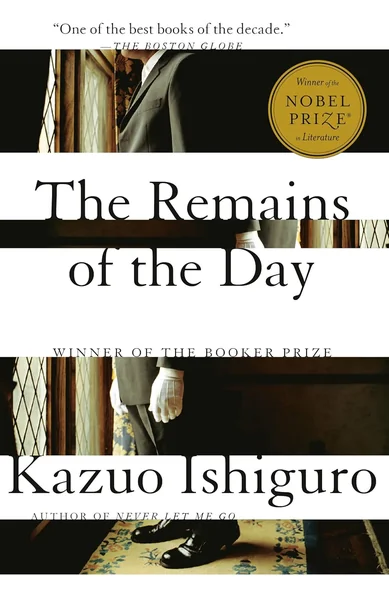
The Remains of the Day by Kazuo Ishiguro
4.4/5
Kazuo Ishiguro's Booker Prize-winning novel follows Stevens, a devoted English butler at Darlington Hall, on a 1956 road trip that becomes an aching reckoning with loyalty, self-deception, and a life lived in service to others — widely regarded as one of the finest post-war British novels ever written.
Reviewed Jul 15, 2026
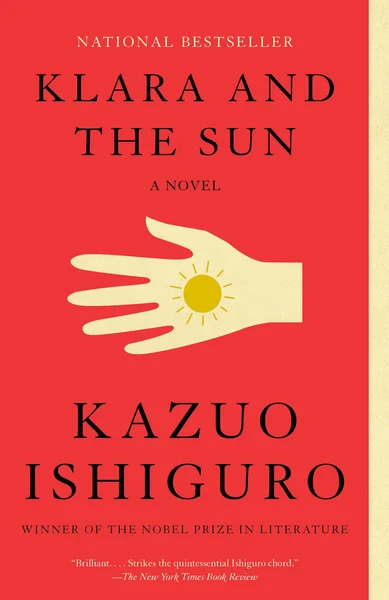
Klara and the Sun: A GMA Book Club Pick: A novel (Vintage International) by Kazuo Ishiguro
4.2/5
Kazuo Ishiguro's eighth novel is a dystopian science fiction story narrated by Klara, a solar-powered Artificial Friend whose luminous innocence illuminates the deepest questions about love, loneliness, and what it means to be human — a number one Sunday Times bestseller that debuted at number six on the New York Times fiction best-seller list and earned a Booker Prize longlisting.
Reviewed Feb 26, 2026
Authors Like Kazuo Ishiguro
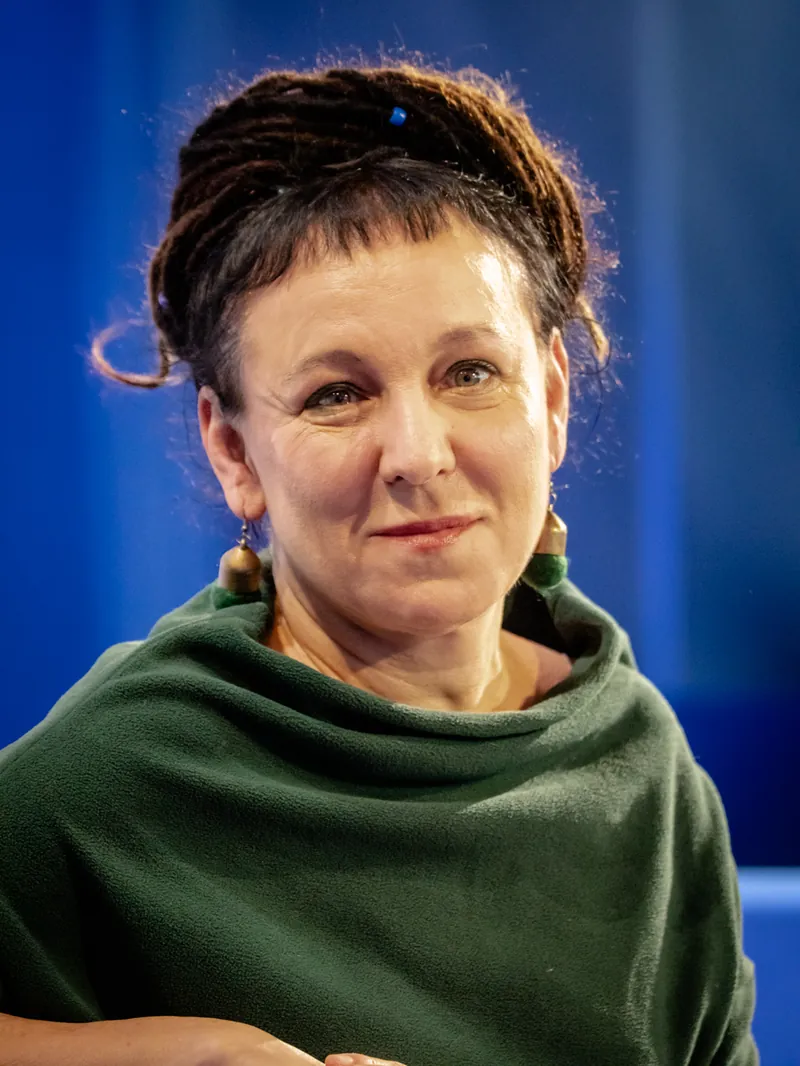
Olga Tokarczuk
Olga Nawoja Tokarczuk is a Polish writer, activist, and public intellectual..
1 book reviewed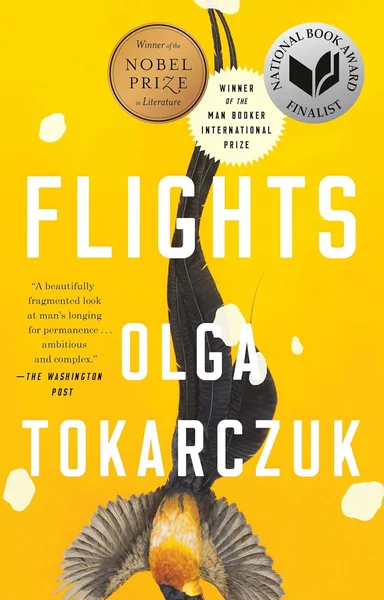
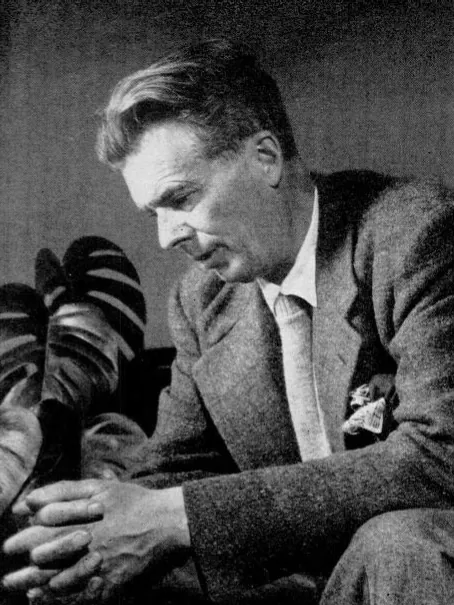
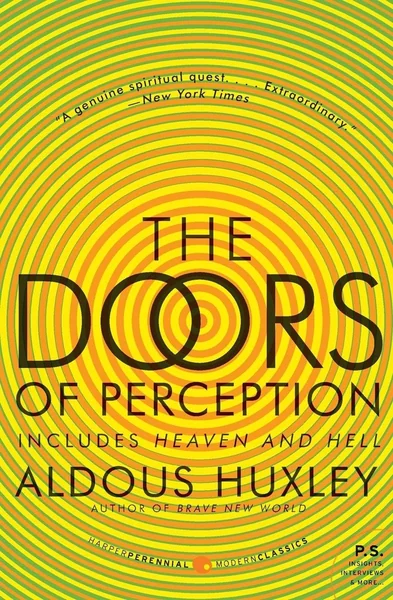
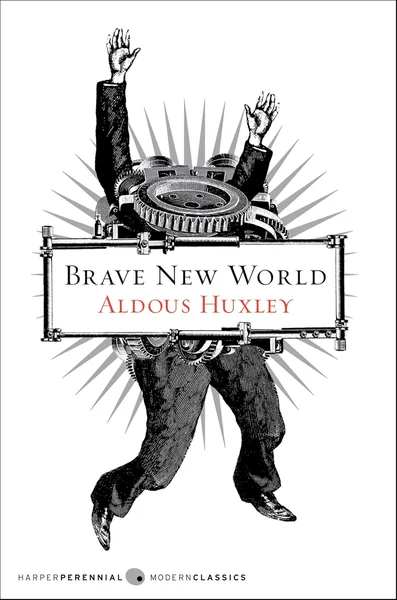
Aldous Huxley
Aldous Leonard Huxley was an English writer and philosopher.
3 books reviewed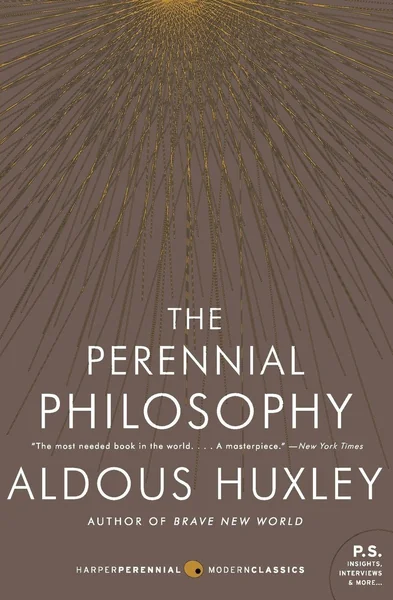
Philos Fablewright
Philos Fablewright is a storyteller with a background in science, design, and business. Having lived in Europe, Japan, and Australia, he spent seven years crafting his novel Curious, which blends fiction, philosophy, science, and humor to explore life's biggest questions. "Philos" is a pen name derived from the Greek word for friend or lover.
1 book reviewed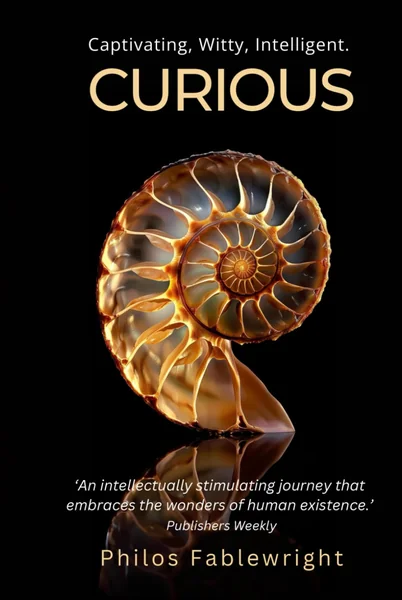
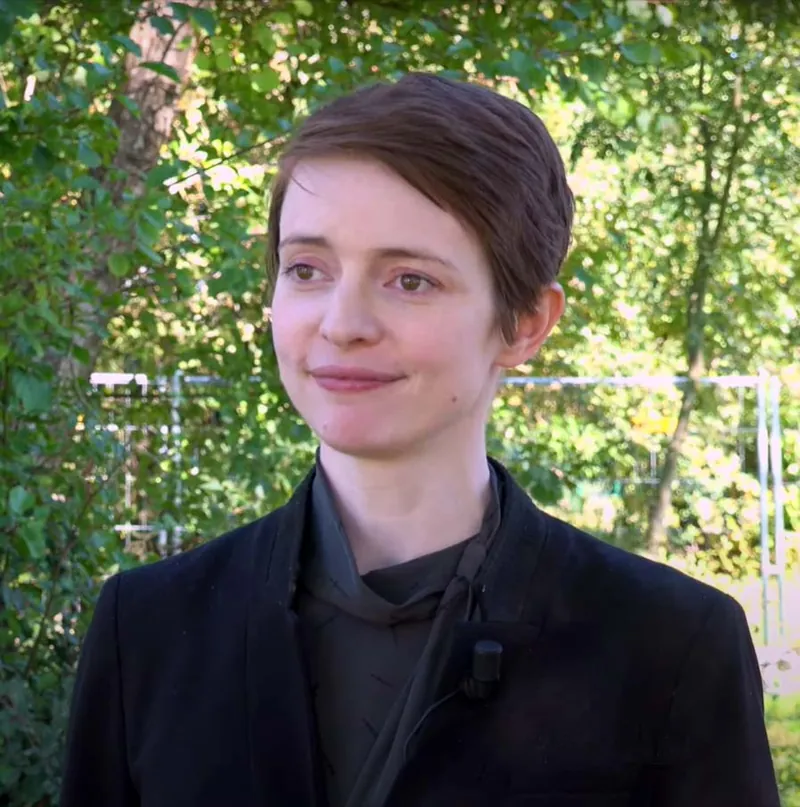
Emily St. John Mandel
Emily St. John Mandel is a Canadian novelist and essayist.
1 book reviewed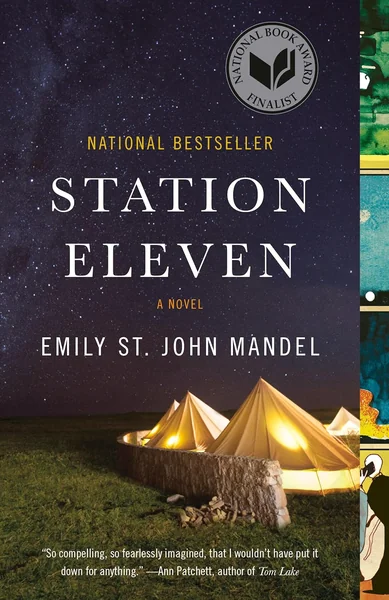
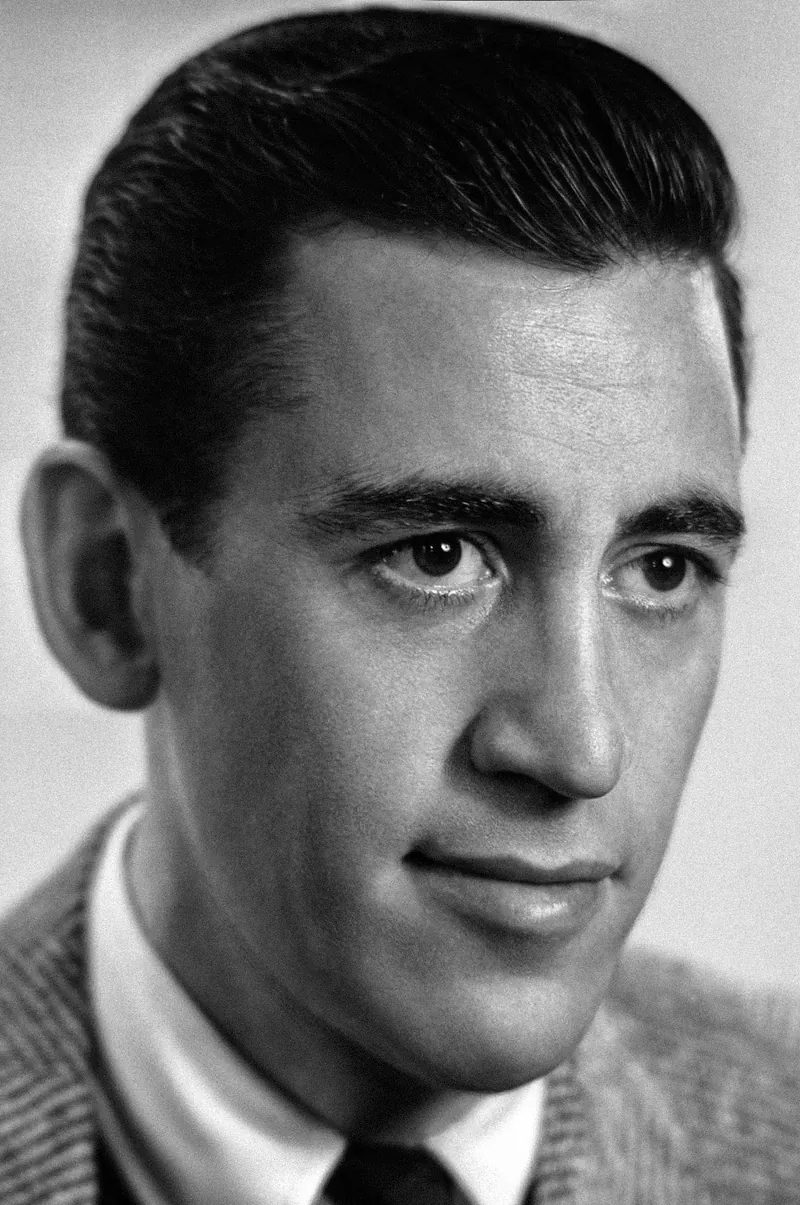
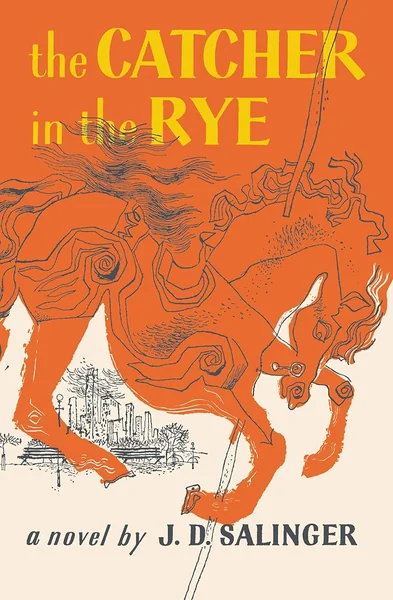
J. D. Salinger
Jerome David Salinger was an American author best known for his 1951 novel The Catcher in the Rye.
2 books reviewed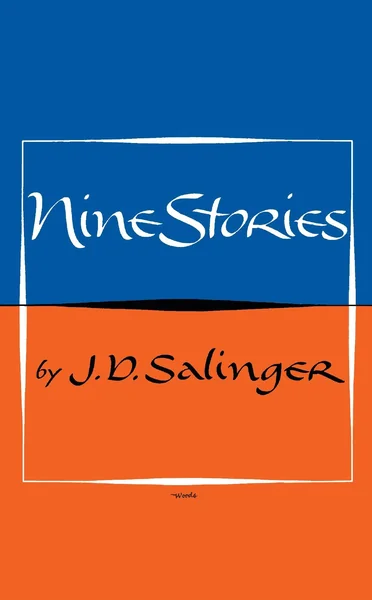

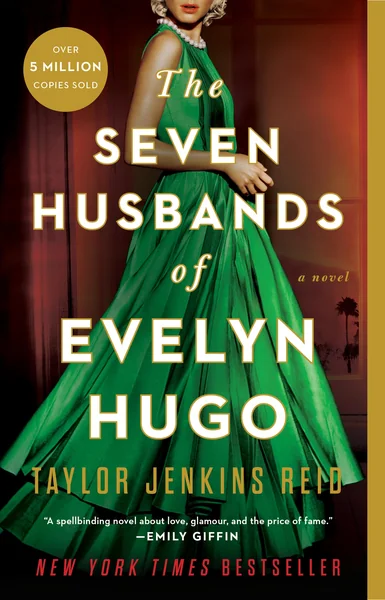
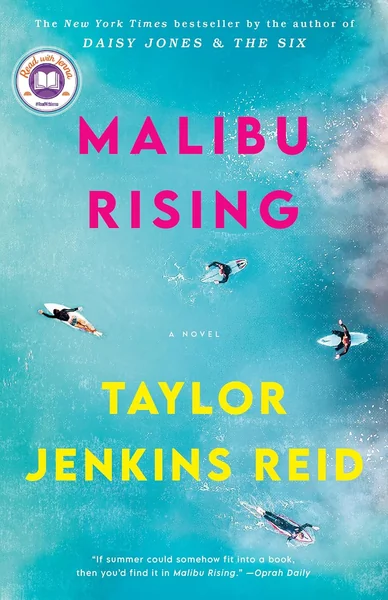
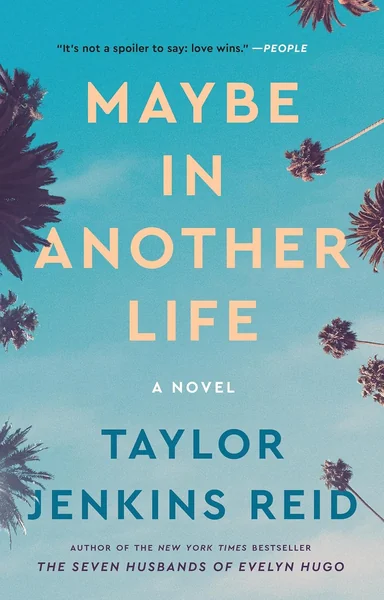
Taylor Jenkins Reid
Taylor Jenkins Reid is an American author best known for her novels The Seven Husbands of Evelyn Hugo, Daisy Jones & the Six, One True Loves, Malibu Rising, Carrie Soto Is Back, and Atmosphere.
3 books reviewed