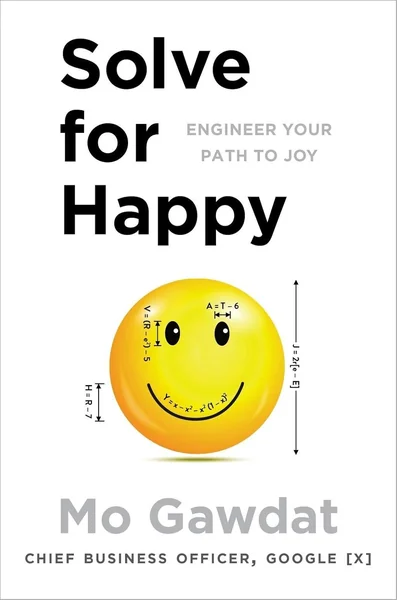
The Engineer's Methodology
Gawdat's background in technology and business brings a refreshing analytical perspective to happiness research. Rather than relying solely on philosophical wisdom or psychological theory, he dissects happiness into component parts that can be understood, measured, and optimized. His writing reflects this systematic thinking—clear, logical, and surprisingly accessible despite the complex emotional territory he covers.
The author structures his argument around identifying the "bugs" in our happiness operating system. He examines common thought patterns that create unhappiness: our tendency to catastrophize, our attachment to outcomes we cannot control, and our habit of comparing our internal experience to others' external presentations. The practical exercises he provides feel more like troubleshooting protocols than traditional mindfulness practices.
What sets this approach apart is Gawdat's willingness to acknowledge that emotions, while not entirely logical, follow patterns that can be recognized and redirected. His prose maintains an engineer's precision while remaining surprisingly warm, especially when discussing his personal losses and revelations.
The Happiness Algorithm Explained
The core framework revolves around understanding the gap between our reality and our expectations. Gawdat argues that suffering occurs not from events themselves, but from the distance between what happens and what we believe should happen. This concept, while not entirely original, receives thorough exploration through real-world applications and case studies.
Unlike most happiness books, Gawdat doesn't promise that positive thinking alone will transform your life. Instead, he advocates for what he calls "realistic optimism"—accepting negative events while maintaining hope for positive outcomes. The book provides specific strategies for recalibrating expectations and reframing challenges as data points rather than personal failures.
The author introduces concepts like "the happiness blind spots"—unconscious behaviors that consistently undermine our well-being. These include the illusion of control, the comparison trap, and what he terms "the prediction addiction"—our tendency to worry about future events that rarely unfold as anticipated.
Where Logic Meets Emotion
The main strength of Gawdat's approach lies in its practical applicability. His frameworks offer concrete steps for readers struggling with anxiety, disappointment, or general dissatisfaction. The book particularly shines when addressing workplace stress and relationship conflicts, areas where logical analysis can genuinely complement emotional intelligence.
Gawdat's personal story provides emotional weight to his analytical framework. His openness about grief, career pressures, and family challenges prevents the book from feeling coldly clinical. For readers who prefer structured approaches to personal development, this combination of vulnerability and systematic thinking creates an engaging reading experience.
The research citations feel solid without being overwhelming, and Gawdat generally avoids the cherry-picked studies that plague many self-help titles. His business background shows in his ability to present complex ideas through clear examples and actionable frameworks.
The Limitations of Systematic Joy
Where it falls short becomes apparent in the book's treatment of clinical depression and severe trauma. Gawdat acknowledges these limitations but perhaps not extensively enough. His equation-based approach works well for situational unhappiness and general life dissatisfaction, but readers dealing with serious mental health challenges may find the systematic approach insufficient.
The book occasionally veers into oversimplification, particularly when addressing systemic inequality and social justice issues that contribute to unhappiness. While Gawdat's personal privilege doesn't invalidate his insights, it does create blind spots around how structural barriers affect individual happiness equations.
Some readers may find the engineering metaphors limiting rather than illuminating. The constant computer analogies can feel forced when applied to complex human emotions, and the book sometimes lacks the nuanced understanding of cultural and psychological diversity that affects how people process happiness.
The Bottom Line on Happiness Engineering
Solve for Happy succeeds as a practical guide for readers who respond well to logical frameworks and systematic approaches. Gawdat's unique background creates insights that traditional psychology and philosophy texts might miss, particularly around goal-setting, expectation management, and stress reduction in high-pressure environments.
The book works best for people experiencing general dissatisfaction, work-related stress, or those who feel stuck in negative thinking patterns. It's particularly valuable for analytical personalities who struggle with more intuitive or spiritually-oriented happiness approaches. Parents and professionals dealing with high expectations—both internal and external—will likely find applicable strategies throughout.
However, readers seeking deep philosophical exploration or comprehensive treatment of trauma and mental illness should look elsewhere. This is engineering applied to emotions, with both the clarity and limitations that approach implies.