Cover's Framework for Sustainable Leadership
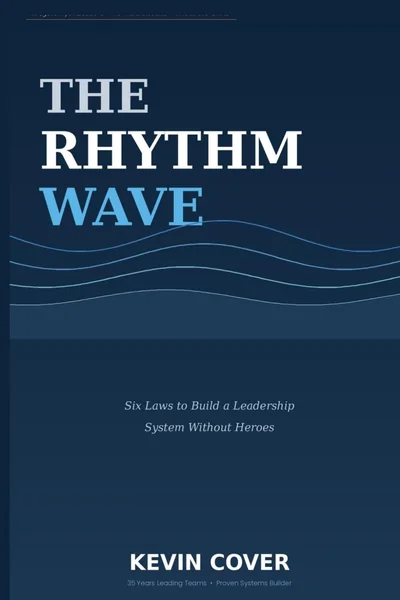
Is The Rhythm Wave worth reading for modern leaders? Kevin Cover's approach to leadership challenges the traditional hero-centric model that dominates most business literature. Unlike books that celebrate charismatic CEOs or transformational figures, Cover argues for sustainable systems that function regardless of individual personalities or presence.
The book's central premise revolves around creating organizational rhythms that generate consistent performance without relying on exceptional individuals to drive results. This perspective addresses a critical weakness in many leadership philosophies—what happens when the hero leader leaves, burns out, or simply cannot scale their impact across a growing organization?
Cover structures his argument around six interconnected laws that form what he calls the "Rhythm Wave." These principles focus on building predictable patterns of excellence rather than depending on sporadic bursts of individual brilliance. For readers familiar with Good to Great by Jim Collins, Cover's work extends the concept of Level 5 Leadership into practical, implementable systems.
Building Systems That Outlast Individuals
The author's methodology emphasizes process over personality, challenging leaders to think beyond their own capabilities and charisma. Cover presents a compelling case that organizations become more resilient when they develop systems that function independently of any single person's extraordinary efforts.
The six laws address different aspects of organizational rhythm, from communication patterns to decision-making frameworks. Cover argues these laws create what he terms "leadership gravity"—a force that naturally pulls teams toward high performance without requiring constant intervention from heroic figures.
The practical exercises throughout the book guide leaders through implementing each law systematically. Rather than abstract concepts, Cover provides specific tools for measuring rhythm quality, identifying system breakdowns, and building feedback loops that maintain organizational momentum.
From Hero Worship to System Excellence
Cover critiques the modern business culture's obsession with celebrity CEOs and transformational leaders. He presents evidence suggesting that hero-dependent organizations often suffer dramatic performance swings and struggle with succession planning.
The main strength of Cover's approach lies in its emphasis on sustainability and scalability. The systems he describes can theoretically function across different industries and organizational sizes, making the framework broadly applicable for readers in various leadership contexts.
However, where it falls short is in addressing the emotional and inspirational aspects of leadership that traditional hero models provide. While Cover's systems create consistency, some readers may find his approach lacks the motivational power that charismatic leadership can generate, particularly during crisis periods or major organizational changes.
Practical Implementation Challenges
Cover acknowledges that transitioning from hero-based to system-based leadership requires significant cultural shifts within organizations. The book dedicates considerable attention to change management strategies, helping leaders navigate resistance from team members accustomed to looking for individual saviors.
The research-backed strategies Cover presents draw from organizational psychology and systems thinking, providing theoretical foundation for his practical recommendations. He references case studies from companies that successfully implemented rhythm-based leadership, though the examples focus primarily on medium to large organizations.
For leaders in smaller companies or startups, some of Cover's recommendations may feel overly complex or resource-intensive. The systems he describes often require dedicated implementation time and organizational bandwidth that emerging companies might struggle to allocate.
Who Benefits Most From This Approach
Perfect for experienced leaders who have witnessed the limitations of hero-centric leadership firsthand, Cover's book offers a mature perspective on sustainable organizational development. Senior executives, HR professionals, and organizational development consultants will find the most immediate value in the framework.
Mid-level managers may struggle with implementing Cover's systems without executive support, as many of the changes require organization-wide commitment. However, these readers can still benefit from understanding the principles and applying them within their spheres of influence.
The book assumes readers have basic familiarity with leadership concepts and organizational behavior. Not recommended for new managers seeking fundamental leadership skills, as Cover focuses on systems architecture rather than personal leadership development.
PROS:
- Addresses critical weakness in traditional leadership models
- Provides specific, measurable implementation frameworks
- Offers sustainable approach to organizational performance
- Backed by systems thinking and organizational psychology research
- Practical tools for measuring and maintaining leadership rhythms
CONS:
- May lack motivational power of charismatic leadership models
- Implementation requires significant organizational resources and commitment
- Limited guidance for smaller organizations or startups
- Could feel overly mechanical for leaders who value inspirational approaches
You can find The Rhythm Wave at Amazon, major bookstores, or through business book retailers specializing in organizational development titles.