Breaking the Overthinking Cycle
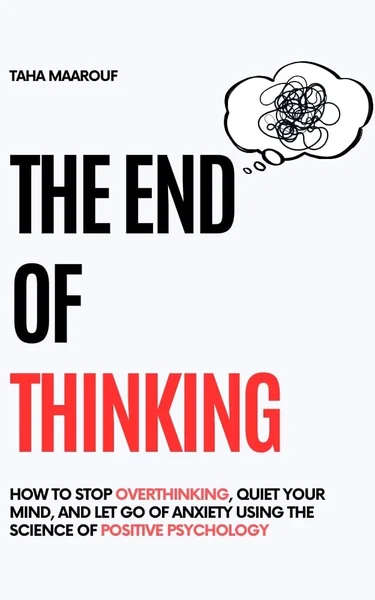
The core thesis centers on mental boundaries - learning to distinguish between productive thinking and destructive rumination. Maarouf introduces what he calls "thought stopping" techniques that interrupt the automatic spiral of worry before it gains momentum. The approach is refreshingly practical, offering concrete steps rather than abstract philosophical concepts.
The book's strength lies in its systematic breakdown of how overthinking actually functions. Rather than treating anxiety as an emotional problem requiring lengthy processing, Maarouf frames it as a behavioral habit that can be redirected. This perspective shift alone makes the book valuable for readers who feel overwhelmed by traditional therapy approaches.
The writing maintains clarity without oversimplifying complex psychological processes. Maarouf acknowledges that breaking ingrained thought patterns requires consistent effort, avoiding the trap of promising instant results that plague many self-help titles.
Practical Techniques That Actually Work
The real value emerges in the implementation strategies. Maarouf provides specific exercises for catching overthinking in real-time, including physical anchoring techniques and cognitive redirects. These aren't generic mindfulness practices but targeted interventions designed for people whose minds constantly spiral.
The "emotional chaos" section addresses how feelings compound thinking problems. The author explains how emotional intensity clouds judgment and offers practical methods for creating space between stimulus and response. This isn't about suppressing emotions but about preventing them from hijacking rational decision-making.
The self-sabotage component examines how overthinking often becomes a form of procrastination or avoidance. Maarouf connects the dots between mental loops and stalled action, showing readers how their thinking patterns directly impact their ability to move forward in life.
Where the Approach Falls Short
The book's main limitation lies in its one-size-fits-all methodology. While the techniques work well for general anxiety and overthinking, readers dealing with trauma-based responses or clinical anxiety disorders may find the approach insufficient. Maarouf doesn't adequately address when professional intervention becomes necessary.
The writing occasionally veers into oversimplification, particularly when discussing complex emotional states. The author's confidence in his system sometimes feels dismissive of readers whose struggles run deeper than habitual thought patterns.
Some practical exercises lack nuance for different personality types or cultural backgrounds. The directness that makes the book appealing may feel too rigid for readers who need more gradual or gentle approaches to mental change.
For readers genuinely committed to changing their mental habits, this book offers a solid framework. It works best for people who recognize their overthinking patterns but struggle with consistent intervention strategies. The approach requires active participation rather than passive reading.
The book distinguishes itself by focusing on immediate behavioral changes rather than lengthy self-analysis. Readers looking for deep psychological insight may find it superficial, but those seeking practical tools for daily mental management will appreciate its directness.
The bottom line: This guide delivers on its promise to provide concrete strategies for mental discipline. While not groundbreaking, it offers accessible techniques that can genuinely reduce overthinking for motivated readers. Best suited for people ready to actively practice new mental habits rather than those seeking understanding or emotional processing.