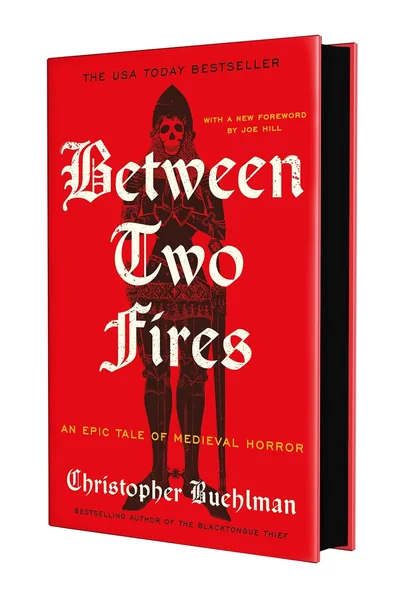
A Plague-Torn Landscape of Faith and Terror
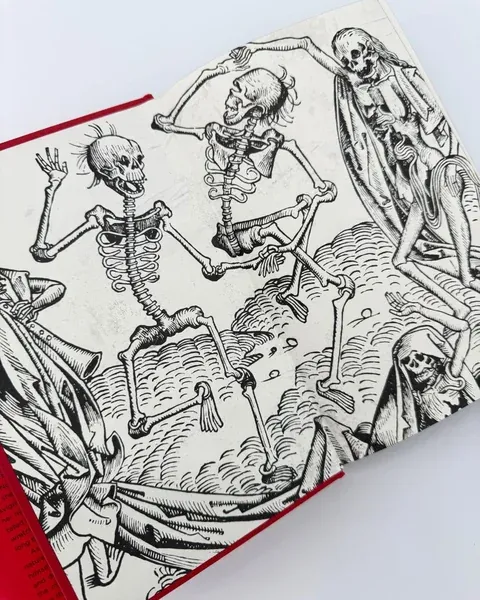
Buehlman's medieval France feels authentically brutal. The author doesn't romanticize the period or soften the harsh realities of plague-era life. Medieval horror fiction rarely captures the genuine desperation of the Black Death this effectively. Villages lie abandoned, the Church's authority crumbles, and survivors turn to desperate measures. The historical detail serves the horror rather than overwhelming it—every element of medieval life becomes a potential source of dread.
The supernatural elements emerge organically from this historical foundation. Angels and demons don't feel like modern fantasy creatures dropped into a medieval setting. Instead, they embody the theological anxieties of their era. The fallen angels scheme with medieval cunning, while divine intervention arrives in forms that medieval minds would recognize and fear.
Characters Caught Between Salvation and Damnation
The disgraced knight serves as our primary guide through this nightmare landscape. His crisis of faith mirrors the broader collapse of medieval certainties, making him a compelling protagonist despite his moral compromises. The mysterious girl companion brings an otherworldly quality that keeps readers guessing about her true nature and purpose.
The supporting cast includes plague survivors, corrupt clergy, and various supernatural beings. Each character serves the story's exploration of faith under extreme pressure. Buehlman avoids the trap of making his medieval characters think like modern people—their worldview remains authentically medieval even as they face impossible circumstances.
Lucifer himself appears as a character of particular note. Rather than the horned devil of popular imagination, Buehlman presents a fallen angel whose intelligence and charisma make him genuinely terrifying. His scenes crackle with theological debate and psychological manipulation.
Prose That Balances Beauty and Brutality
Buehlman writes with a voice that honors both the beauty and horror of his medieval setting. His prose can shift from lyrical descriptions of Gothic architecture to visceral depictions of plague symptoms without feeling jarring. The writing style serves the story's dual nature—part historical novel, part supernatural horror.
The pacing builds tension gradually, allowing readers to absorb the world-building before escalating the supernatural elements. Dialogue captures medieval speech patterns without becoming impenetrable to modern readers. Buehlman demonstrates particular skill in handling theological discussions that advance plot and character development simultaneously.
Where Divine Justice Meets Human Suffering
The novel explores profound questions about faith, justice, and suffering that resonate beyond its medieval setting. Between Two Fires themes include the nature of divine justice, the corruption of religious institutions, and humanity's capacity for both cruelty and compassion during extreme circumstances.
The title itself suggests the impossible position of characters caught between competing supernatural forces. Neither Heaven nor Hell offers easy answers, forcing characters to forge their own moral paths. This moral ambiguity elevates the book above simple good-versus-evil narratives.
The Black Death serves as more than historical backdrop—it becomes a theological challenge that questions divine benevolence. Characters must grapple with how a just God could permit such suffering, while supernatural forces exploit human despair for their own purposes.
A Few Stumbles in Paradise Lost Territory
The main weakness lies in occasional pacing issues during the middle sections. Some philosophical discussions, while thematically relevant, slow the narrative momentum. The book sometimes struggles to balance its historical and supernatural elements, with certain scenes feeling more like theological debate than horror fiction.
The ending may frustrate readers seeking clear resolutions. Buehlman maintains ambiguity about certain supernatural elements that some readers will find unsatisfying. Where it falls short is in providing the kind of definitive climax that horror readers often expect.
Additionally, the violence and disturbing imagery make this unsuitable for sensitive readers. The book doesn't shy away from depicting the brutal realities of plague-era Europe or the horrific acts committed by both human and supernatural characters.
The Bottom Line
Between Two Fires succeeds as both historical fiction and supernatural horror. Highly recommended for readers who appreciate ambitious genre fiction that tackles serious themes. The book demands patience from readers but rewards it with a unique take on medieval horror that few authors attempt.
Perfect for readers who enjoyed The Devourers by Indra Das or Mexican Gothic by Silvia Moreno-Garcia—stories that blend historical settings with supernatural terror. Not recommended for those seeking light escapist fantasy or readers uncomfortable with theological themes.
Christopher Buehlman has crafted something genuinely original in the crowded field of historical horror. Is it worth your time? Absolutely, provided you're prepared for a challenging, occasionally disturbing journey through one of humanity's darkest periods.