
BOOKS
Published
Read Time
6 min read
Our Rating
3.2
Reviewed by
LuvemBooks
Share This Review
The Power of Your Subconscious Mind by Joseph Murphy - Review
Our Rating
3.2
A classic self-help book with useful techniques for mental discipline and positive thinking, though Murphy's ambitious claims and dated approach limit its contemporary relevance for evidence-minded readers.
In This Review
- What Works & What Doesn't
- Murphy's Core Framework for Mental Transformation
- The Science Behind the Claims
- Practical Applications and Daily Implementation
- Where Murphy's Approach Falls Short
- My Assessment: A Mixed Legacy
What Works & What Doesn't
What Works
- Accessible introduction to visualization and mental training techniques
- Practical daily exercises for developing positive thought patterns
- Enthusiastic, motivational tone that inspires action
- Contains psychological principles that align with modern CBT approaches
- Structured approach to changing negative mental habits
What Doesn't
- Makes unsubstantiated scientific and medical claims
- Case studies lack verifiable documentation
- Oversimplifies complex life challenges and systemic issues
- Dated cultural assumptions and religious framework may alienate modern readers
- Risks promoting victim-blaming for those who don't achieve promised results
Murphy's Core Framework for Mental Transformation
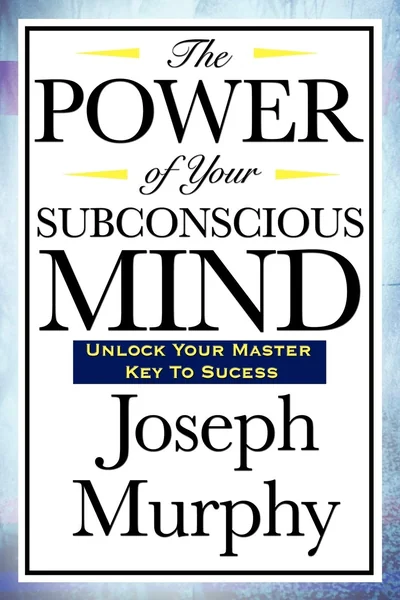
The Power of Your Subconscious Mind by Joseph Murphy front cover
A self-help classic whose practical core on mental discipline outweighs its unverifiable metaphysical promises. The book centers on Murphy's belief that the subconscious mind operates like a fertile garden—whatever thoughts you plant will grow into reality. He presents a systematic approach where readers learn to communicate with their subconscious through specific techniques including visualization, affirmation, and what he calls "scientific prayer."
Murphy's methodology involves three primary components: understanding how the conscious and subconscious minds interact, learning to implant positive suggestions while eliminating negative thought patterns, and developing consistent daily practices to reinforce desired mental states. His writing style blends practical instruction with inspirational messaging, making complex psychological concepts accessible to general readers.
Murphy structures his approach around case studies and examples, though many feel anecdotal by today's standards. He presents scenarios where individuals overcome illness, achieve financial success, or improve relationships through directed mental effort. The practical exercises he provides include visualization techniques, positive affirmations, and bedtime suggestion practices designed to program the subconscious mind during sleep.
The Science Behind the Claims
Modern readers will find Murphy's work sits at the intersection of legitimate psychological principles and unsubstantiated claims. His emphasis on mental rehearsal and positive visualization aligns with contemporary research on neuroplasticity and cognitive behavioral therapy techniques. The placebo effect, now well-documented in medical literature, supports some of Murphy's assertions about the mind's influence on physical health.
However, Murphy's more ambitious claims about manifesting wealth or curing serious illnesses through thought alone lack scientific support. His New Thought background leads him to present metaphysical concepts as scientific facts, blending genuine psychological insights with spiritual beliefs that may not resonate with secular readers.
Where the book shines is in its practical approach to changing negative thought patterns and building mental resilience. Murphy's techniques for replacing worry and fear with constructive thinking contain elements found in modern cognitive behavioral therapy, though presented through a 1960s self-help lens rather than clinical framework.
Practical Applications and Daily Implementation
Murphy provides readers with specific exercises designed for daily practice. His morning and evening routines focus on implanting positive suggestions when the conscious mind is most receptive. The visualization techniques he describes involve creating detailed mental images of desired outcomes while engaging emotional investment in these scenarios.
The actionable strategies include writing down goals, practicing gratitude, and using what Murphy calls "constructive autosuggestion"—deliberately choosing thoughts that support rather than undermine personal objectives. His approach to problem-solving involves relaxing the conscious mind and allowing the subconscious to provide solutions, a technique that shares similarities with modern mindfulness and meditation practices.
For readers dealing with anxiety or self-doubt, Murphy's methods offer structured approaches to mental discipline. His emphasis on repetition and consistency reflects understanding of how habits form, though his explanations rely more on metaphysical concepts than psychological research.
Where Murphy's Approach Falls Short
The main weakness lies in Murphy's tendency to oversimplify complex life challenges. His framework suggests that mental attitude alone can overcome significant obstacles like poverty, serious illness, or systemic disadvantages. This perspective can lead to victim-blaming, where individuals attribute their struggles to insufficient mental discipline rather than recognizing external factors beyond their control.
Murphy's case studies often lack verifiable details, reading more like inspirational stories than documented evidence. His scientific claims about brain function and cellular biology reflect 1960s understanding rather than current neuroscience research. Modern readers may find his religious language and metaphysical assumptions off-putting, particularly when presented as universal truths rather than personal beliefs.
The book also feels dated in its examples and cultural references. Murphy's assumptions about gender roles, career paths, and social structures reflect his era's limitations, potentially alienating contemporary audiences seeking more inclusive perspectives on personal development.
My Assessment: A Mixed Legacy
The Power of Your Subconscious Mind contains valuable insights about mental discipline and positive thinking wrapped in outdated packaging. Murphy's core message — take responsibility for your mental state and use visualization to pursue goals — has merit, but readers must separate practical wisdom from unsubstantiated claims.
This book works best for readers who can extract useful techniques while filtering out Murphy's more ambitious promises. Those seeking evidence-based approaches to personal development might prefer Mindset by Carol Dweck or Atomic Habits by James Clear, which present similar concepts through contemporary psychological research.
For beginners in personal development who can tolerate metaphysical framing, Murphy's morning affirmations, bedtime visualization, and written goal-setting make a practical entry point into mental training — worth picking up if the core techniques matter more to you than the science behind them. The Amazon link in the sidebar has the current price.
Frequently Asked Questions
Is The Power of Your Subconscious Mind by Joseph Murphy worth reading in 2026?
Based on my 3.2/5 rating, this book offers foundational concepts about mental transformation that remain relevant, though the presentation feels dated. While Murphy's core framework comparing the subconscious to a fertile garden is valuable, modern readers might find more contemporary approaches to personal development more engaging and scientifically grounded.
Who should read The Power of Your Subconscious Mind?
This book is perfect for beginners exploring self-help and personal development concepts who appreciate classic foundational texts. It's ideal for readers interested in understanding how thought patterns influence reality and those who don't mind older writing styles in exchange for time-tested principles.
How does The Power of Your Subconscious Mind compare to modern self-help books?
Murphy's work laid the groundwork for many contemporary self-help concepts, but newer books often present similar ideas with updated research and more engaging formats. While this book offers the original systematic approach to subconscious programming, readers seeking cutting-edge insights might prefer more recent publications in the personal development space.
What is the main takeaway from The Power of Your Subconscious Mind?
The central message is that your subconscious mind functions like a fertile garden that grows whatever thoughts you consistently plant in it. Murphy teaches readers to systematically communicate with their subconscious through specific techniques to transform their mental patterns and, consequently, their life experiences.
What specific techniques does Joseph Murphy teach in The Power of Your Subconscious Mind?
Murphy presents a systematic approach for communicating with the subconscious mind through visualization, affirmation, and mental programming techniques. The book focuses on practical methods for planting positive thoughts that can grow into real-world results, using his garden metaphor as the foundation for all practices.
At $5.49, is The Power of Your Subconscious Mind worth buying?
At this price point, the book offers decent value for readers curious about classic self-help literature and foundational concepts in personal development. However, given the 3.2/5 rating, you might want to consider whether investing in more highly-rated contemporary alternatives would better serve your personal growth goals.
What are the main weaknesses of The Power of Your Subconscious Mind?
The book's primary limitations include outdated presentation style and lack of modern scientific backing that today's readers often expect. While the core concepts remain sound, the execution may feel repetitive and less engaging compared to contemporary personal development books that cover similar ground with fresher approaches.
Related Reviews
Reviews of books we picked for readers who enjoyed The Power of Your Subconscious Mind.




Reader Comments
No comments yet
Be the first to share your thoughts!