BOOKS
Published
Read Time
7 min read
Our Rating
3.8
An accessible visual introduction to philosophy that makes complex ideas approachable for beginners, though depth is sacrificed for breadth and visual appeal.
Reviewed by
LuvemBooks
Share This Review
DK The Philosophy Book by D.K. Publishing Review: Visual Philosophy Guide
Our Rating
3.8
An accessible visual introduction to philosophy that makes complex ideas approachable for beginners, though depth is sacrificed for breadth and visual appeal.
In This Review
- What Works & What Doesn't
- A Visual Journey Through Human Thought
- From Ancient Greece to Modern Ethics
- The DK Formula in Action
- Where the Approach Falls Short
- Who Should Tackle This Journey
- Where to Buy
What Works & What Doesn't
What Works
- Exceptional visual design makes abstract concepts concrete and understandable
- Comprehensive coverage spanning ancient through contemporary philosophy
- Clear writing that maintains accuracy while avoiding academic jargon
- Excellent for visual learners who struggle with traditional philosophy texts
- Strong connections drawn between historical ideas and contemporary relevance
What Doesn't
- Complex philosophical arguments receive oversimplified treatment
- Limited depth prevents serious engagement with nuanced positions
- Design sometimes prioritizes visual appeal over philosophical rigor
- Western philosophical traditions still dominate despite improved global representation
Is DK The Philosophy Book worth reading? For anyone intimidated by dense philosophical texts, this visual approach to humanity's biggest questions offers an inviting entry point. DK Publishing's signature style transforms abstract concepts into digestible, illustrated explanations that make ancient wisdom and modern thinking accessible to contemporary readers.
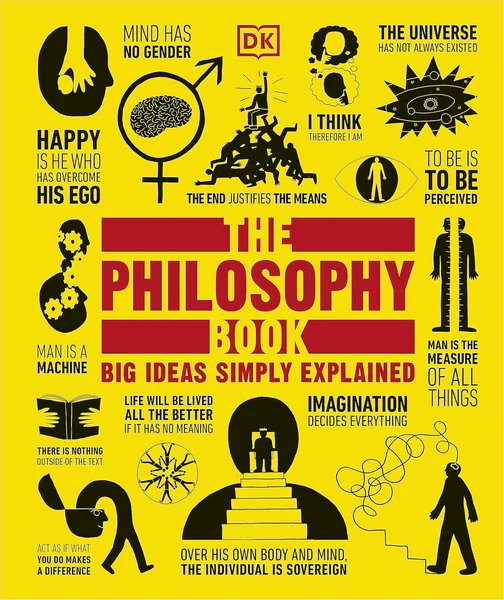
Philosophy has long suffered from a reputation for impenetrability. Dense academic language and abstract concepts can make even motivated readers abandon their philosophical journey before it begins. This book tackles that challenge head-on, using DK's proven formula of combining clear explanations with striking visual elements to illuminate ideas that have shaped human thought for millennia.
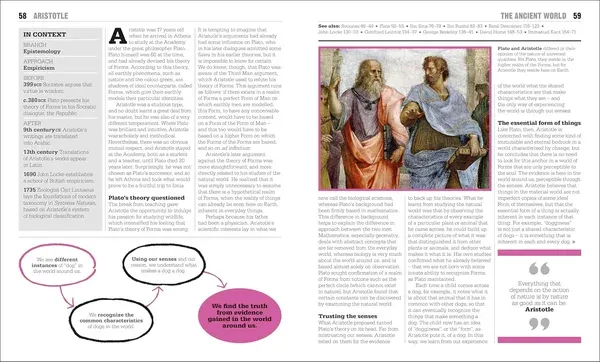
The approach here differs significantly from traditional philosophy texts. Rather than lengthy treatises on individual thinkers, readers encounter bite-sized explanations paired with timelines, diagrams, and infographics that clarify relationships between ideas and historical contexts. For visual learners who struggle with purely text-based philosophy, this methodology opens doors that might otherwise remain closed.
A Visual Journey Through Human Thought
The book's greatest strength lies in its ability to make connections visible. Complex philosophical concepts that typically require extensive background knowledge become approachable through carefully designed visual aids. Mind maps connect related thinkers, timelines show the evolution of ideas across centuries, and infographics break down arguments into component parts.
Visual learners will appreciate how abstract concepts like Kantian ethics or existentialist thought receive concrete representation through diagrams and illustrations. The book doesn't simply tell readers about philosophical ideas – it shows them how these concepts function and relate to one another. This approach proves particularly effective when explaining the relationships between different schools of thought or the historical progression of philosophical movements.
The writing maintains accessibility without sacrificing accuracy. Complex ideas receive fair treatment, though necessarily condensed. The authors manage to capture essential elements of major philosophical positions without drowning readers in academic jargon or overly technical explanations.
From Ancient Greece to Modern Ethics
Coverage spans the breadth of philosophical thought, from pre-Socratic thinkers through contemporary moral philosophy. Ancient Greek philosophy receives substantial attention, with clear explanations of Platonic idealism, Aristotelian logic, and Stoic principles. Medieval philosophy, often overlooked in popular treatments, gets its due with accessible discussions of Augustine, Aquinas, and Islamic philosophical traditions.
The scope impresses as much as the clarity. Modern philosophy unfolds through discussions of Descartes, Hume, Kant, and others, while contemporary sections address existentialism, analytic philosophy, and current ethical debates. Each era receives contextual grounding that helps readers understand how philosophical questions evolved alongside historical circumstances.
The book excels at showing philosophy's practical relevance. Rather than presenting ancient ideas as museum pieces, the text demonstrates how classical philosophical questions continue to shape contemporary debates about technology, ethics, politics, and meaning. This connection between historical thought and modern concerns gives the material immediate relevance.
The DK Formula in Action
DK's distinctive visual style serves philosophy well. Each major thinker receives a biographical profile that situates their ideas within historical context. Key concepts get dedicated spreads with multiple visual elements supporting the textual explanation. The layout encourages browsing while supporting systematic reading.
The organizational structure groups related thinkers and ideas logically, making it easy to trace influences and developments. Cross-references help readers see connections between seemingly disparate philosophical traditions. The design invites exploration – readers can dive deep into specific topics or survey broad philosophical landscapes.
However, the format imposes limitations. Complex arguments necessarily receive abbreviated treatment. Nuanced positions get simplified, and subtle distinctions sometimes disappear in the interest of clarity. Readers seeking deep engagement with primary philosophical texts won't find that here.
Where the Approach Falls Short
The main weakness lies in what any survey text sacrifices for breadth: depth. Philosophical arguments that have generated centuries of debate receive summary treatment that, while accurate, cannot capture their full complexity. Readers might come away with oversimplified understanding of positions that deserve more careful consideration.
The visual emphasis, while generally helpful, occasionally distracts from substantive content. Some spreads feel more concerned with design appeal than philosophical rigor. The balance between accessibility and intellectual honesty sometimes tilts too far toward the former.
Cultural representation shows improvement over earlier philosophy surveys, but Western philosophical traditions still dominate. Eastern philosophy receives attention, though less comprehensively than Greek, medieval, and modern European thought. Contemporary philosophy could benefit from broader global perspectives.
Who Should Tackle This Journey
Perfect for beginners who want philosophical literacy without academic prerequisites. Visual learners struggling with traditional philosophy texts will find the format liberating. The book works well as reference material – readers can consult specific sections without reading cover to cover.
Students approaching philosophy for the first time will appreciate having complex ideas presented clearly before encountering primary sources. The historical context and visual aids provide scaffolding that makes subsequent philosophical reading more manageable.
However, readers seeking rigorous philosophical analysis should supplement this overview with primary texts and more detailed studies. The book serves better as an introduction than as definitive treatment of philosophical positions.
Where to Buy
You can find DK The Philosophy Book Big Ideas Simply Explained at Amazon, Barnes & Noble, your local bookstore, or directly from DK Publishing.
Product Gallery