Expert Authors with Proven Track Records
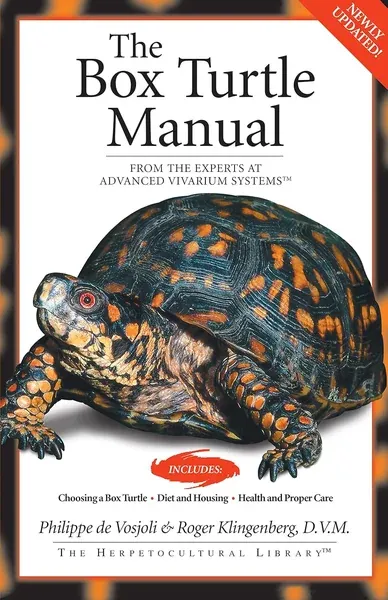
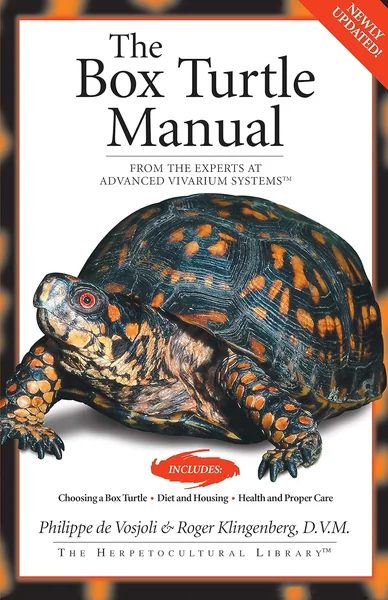
Philippe de Vosjoli stands among the most respected names in reptile husbandry literature. His collaboration with veterinarian Roger J. Klingenberg creates a powerful combination of practical breeding experience and medical expertise. This partnership becomes evident in the book's balanced approach—covering both the day-to-day care aspects and the health concerns that can derail new turtle owners.
The authors don't oversimplify complex topics. Their writing assumes readers want to understand why certain care protocols matter, not just what to do. This educational approach helps readers adapt their care as situations change, rather than blindly following rules they don't understand.
Practical Setup Guidance That Prevents Disasters
The housing section addresses the most common failure point for new turtle owners: inadequate habitat setup. Many beginners underestimate the complexity of creating appropriate microclimates, leading to stressed, unhealthy turtles and expensive veterinary bills.
The authors provide specific recommendations for enclosure dimensions, substrate choices, and temperature gradients. They explain how to create both terrestrial and aquatic zones that meet box turtles' unique needs. For beginners wondering about initial costs, the book offers honest guidance about the financial commitment required for proper setup.
The lighting chapter deserves particular attention. The authors explain UVB requirements in terms that non-experts can understand while providing specific product recommendations. This practical approach helps readers avoid the confusion that plagues many reptile care resources.
Comprehensive Health and Diet Coverage
The health section benefits significantly from Klingenberg's veterinary expertise. Rather than generic "call a vet" advice, the book teaches readers to recognize early warning signs and understand when intervention becomes necessary. The diet recommendations go beyond simple food lists, explaining nutritional requirements and seasonal feeding adjustments.
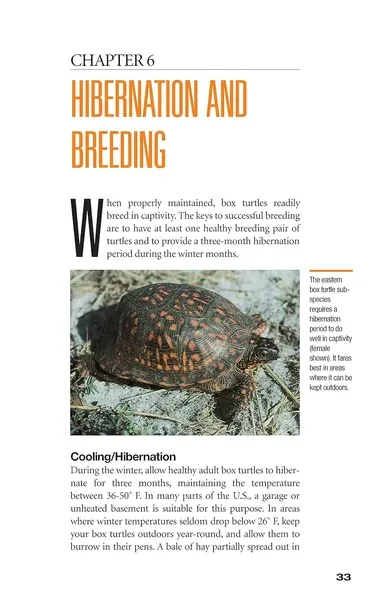
The breeding section provides detailed protocols for readers interested in reproduction. While not essential for pet owners, this information demonstrates the authors' comprehensive understanding of box turtle biology. The techniques described require significant experience and proper facilities, making this more valuable for serious hobbyists than casual pet owners.
Where Practical Meets Scientific
The book's strength lies in balancing scientific accuracy with practical application. The authors reference research when relevant but avoid overwhelming readers with unnecessary technical detail. This approach works particularly well for intermediate hobbyists who want to understand the reasoning behind care recommendations.
However, absolute beginners might find some sections challenging. The authors assume basic familiarity with reptile care concepts, occasionally using terminology without full explanation. New turtle owners benefit from supplementing this manual with more introductory reptile care resources.
Limitations Worth Considering
The main weakness involves regional considerations. Box turtle care varies significantly based on local climate and available species, but the book takes a somewhat generic approach. Readers in different geographical areas may need additional research to adapt recommendations appropriately.
The breeding section, while comprehensive, requires facilities and experience beyond most readers' capabilities. This content adds value for serious breeders but may overwhelm pet owners seeking basic care guidance.
Some care protocols reflect older industry standards. While the fundamental principles remain sound, newer lighting technologies and dietary supplements have evolved since publication. Readers benefit from cross-referencing current product availability when implementing specific recommendations.
Our Verdict on This Reptile Resource
The Box Turtle Manual earns recommendation for intermediate reptile keepers and dedicated beginners willing to invest time in proper setup. The authors' combined expertise creates a resource that prevents common mistakes while building genuine understanding of turtle biology and behavior.
Not recommended for casual pet seekers who want simple care instructions. The book demands commitment to proper husbandry practices that require ongoing attention and financial investment. However, for readers serious about providing excellent turtle care, this manual delivers the comprehensive guidance necessary for success.
The book works best as part of a broader reptile care library rather than a standalone resource. Beginners should consider pairing it with more introductory guides before diving into the specific protocols outlined here.