
8 min read
4.6
· 1,791 Amazon ratingsShare This Review
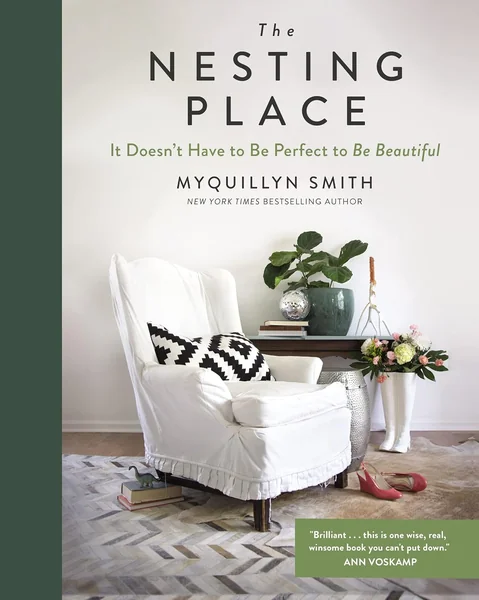
The Nesting Place by Myquillyn Smith Review: Warm, Practical Home-Decorating Encouragement
Myquillyn Smith's The Nesting Place is a four-color home-decorating book built on a single liberating premise: a home doesn't need to be perfect to be beautiful, and real life — kids, pets, mess, and all — is not an obstacle to a welcoming space but the very thing worth designing around.
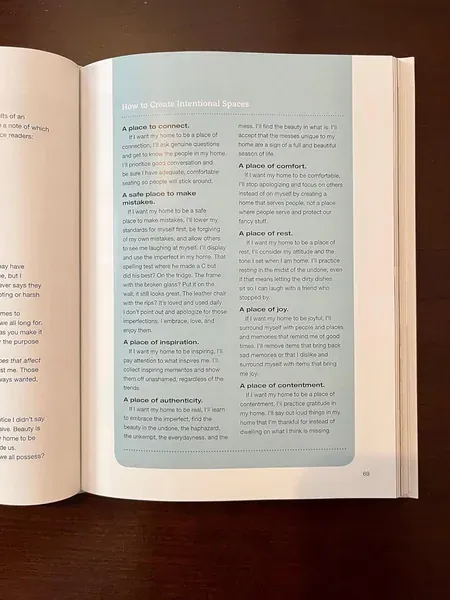
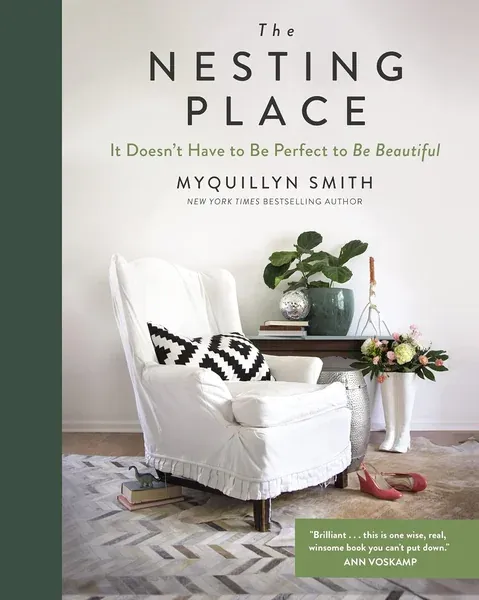
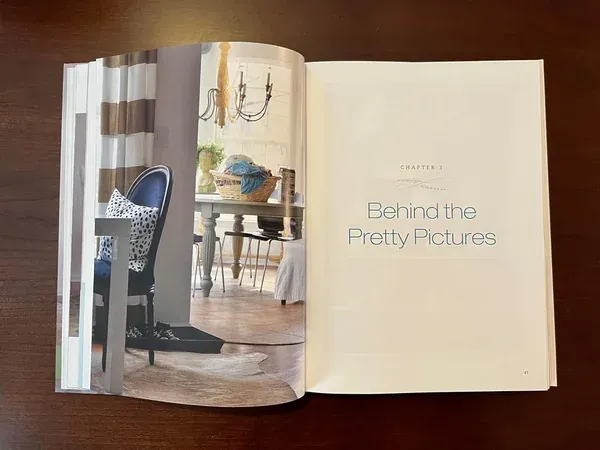 Tap to enlarge
LuvemBooks Verdict
Best for
Readers who feel paralyzed by an imperfect home, a tight budget, or the pressure to match aspirational interiors — particularly those in busy family households who want practical encouragement over prescriptive design rules.
Worth it if
You want a warm, permission-giving framework that frees you from perfectionism and helps you shape a livable, personal home without waiting for ideal conditions or a designer budget.
Skip if
You're looking for technically rigorous design instruction — detailed spatial planning, color theory, or a systematic room-by-room methodology — as the book leans firmly toward encouragement over comprehensive decorating reference.
What readers & critics say
Retailer and publisher descriptions consistently highlight the book's practical, photo-rich format and its core promise of helping readers "find beauty in imperfection," as noted across Barnes & Noble and HarperCollins UK. Bookwyrms Hoard's review praises Smith's anti-perfectionist philosophy directly, noting that her experience across many homes makes the advice feel genuinely tested rather than idealized.
Sources: Barnes & Noble, HarperCollins UK, Bookwyrms HoardAge & Reading Level
Recommended age
Adult
Reading level
Adult
who it suits
Skip if you're looking for technically rigorous, methodology-driven design instruction with detailed guidance on spatial planning or color theory.
In This Review
- What Works & What Doesn't
- What the Book Is and What It Argues
- Significance and Place in the Genre
- Strengths: Accessibility and Permission-Giving
- Limitations and Who May Be Frustrated
- Who It Is For and How It Holds Up
What Works & What Doesn't
What Works
- Centers a liberating, anti-perfectionist philosophy that explicitly rejects aspirational 'flawless look' standards in favor of real, livable homes
- Draws on Smith's experience across thirteen different homes, grounding advice in varied, practical situations rather than a single idealized setup
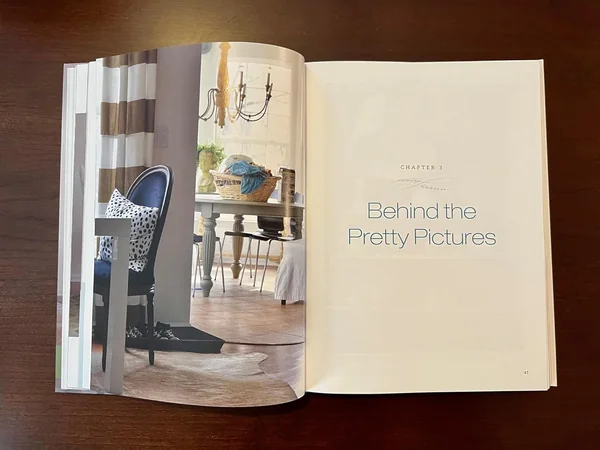
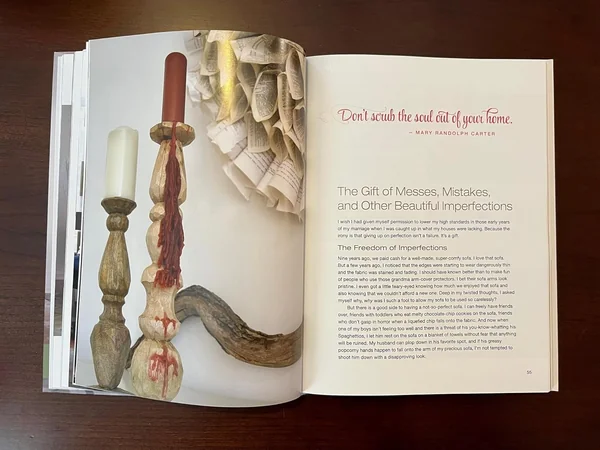
- Full four-color photo format pairs ideas with visual reference, supporting the book's practical, step-by-step decorating guidance
- Praised by Sherry Petersik (bestselling author of Young House Love) for 'approachable ideas, encouragement, and a whole lot of heart'
- Frames decorating as a confidence-building exercise, making it accessible to readers with limited budgets or imperfect starting points
What Doesn't
- Leans toward encouragement and permission-giving over technically detailed design instruction, which may leave readers seeking rigorous methodology wanting more
- Smith's perspective is rooted in a specific domestic context — a family home with children and pets — that may not translate as directly for readers in different living situations
What the Book Is and What It Argues
Significance and Place in the Genre
Strengths: Accessibility and Permission-Giving
Limitations and Who May Be Frustrated
Who It Is For and How It Holds Up
Frequently Asked Questions
Sources & Further Reading
The key facts and claims in this review are grounded in the retrieved, verified sources listed below.
- Cited in this review
- 1
bookwyrmshoard.com
- Further reading
- 2
- 3
- 4
- 5
- 6
- 7
- 8
harpercollins.co.uk
Related Reviews
Reviews of books we picked for readers who enjoyed The Nesting Place.


Reader Comments
No comments yet
Be the first to share your thoughts!