
BOOKS
Published
Read Time
6 min read
Our Rating
4.2
Wilde's only novel remains a masterful blend of Gothic horror and moral philosophy, featuring elegant prose and timeless themes of beauty, corruption, and artistic responsibility.
Reviewed by
LuvemBooks
Share This Review
The Picture of Dorian Gray by Oscar Wilde Review: Gothic Classic
Our Rating
4.2
Wilde's only novel remains a masterful blend of Gothic horror and moral philosophy, featuring elegant prose and timeless themes of beauty, corruption, and artistic responsibility.
Trending Now
Trending
The Picture of Dorian Gray by Oscar Wilde is Trending
Updated May 3, 2026In This Review
- What Works & What Doesn't
- A Portrait of Corruption and Beauty
- Wilde's Literary Craftsmanship
- Key Figures in Wilde's Gothic Tale
- Themes of Art and Morality
- Where Gothic Brilliance Meets Moral Complexity
- A Gothic Classic for Mature Readers
What Works & What Doesn't
What Works
- Exquisite prose style that balances beauty with psychological insight
- Complex exploration of art, morality, and Victorian society
- Effective integration of supernatural elements with philosophical themes
- Memorable characters who embody different philosophical positions
- Enduring relevance of themes about appearance versus reality
What Doesn't
- Some philosophical passages slow the narrative momentum
- Victorian social context may require background knowledge
- Dense prose style may challenge casual readers
A Portrait of Corruption and Beauty
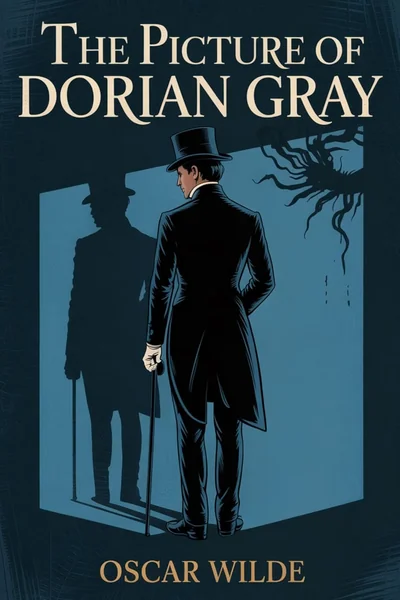
The story centers on a beautiful young man who becomes obsessed with maintaining his youth and beauty at any cost. When his portrait begins to reflect the moral decay of his soul while his physical form remains unchanged, Wilde creates a powerful allegory for the relationship between outer beauty and inner corruption. The novel's supernatural elements serve the deeper philosophical questions about art, morality, and the nature of the soul.
Wilde's narrative unfolds through a series of encounters that reveal the protagonist's gradual descent into hedonism and cruelty. The author masterfully builds tension through the contrast between the character's angelic appearance and his increasingly depraved actions. Perfect for readers who appreciate psychological horror grounded in moral philosophy rather than gore or jump scares.
Wilde's Literary Craftsmanship
The prose in The Picture of Dorian Gray demonstrates Wilde's mastery of both wit and beauty. His sentences flow with an almost musical quality, combining sharp observations about society with lush descriptions of art and beauty. The dialogue sparkles with the kind of epigrams that made Wilde famous in London's literary circles.
Wilde employs a third-person omniscient narrator who maintains artistic distance while revealing the psychological depths of his characters. The pacing alternates between philosophical discussions and dramatic action, creating a rhythm that mirrors the protagonist's dual nature. The writing style appeals most to readers who enjoy rich, descriptive prose rather than spare, modern minimalism.
Key Figures in Wilde's Gothic Tale
The novel features three central figures whose relationships drive the narrative forward. The young protagonist represents innocence corrupted by vanity and influence. His mentor figure embodies the philosophy of aestheticism taken to dangerous extremes, advocating for experience without moral consideration. The artist who creates the fateful portrait serves as both creator and moral witness to the unfolding tragedy.
Supporting characters include society figures who represent different aspects of Victorian culture, from theatrical performers to aristocratic dilettantes. Wilde uses these figures to critique the superficiality and moral bankruptcy he observed in high society. Each character serves a specific function in Wilde's broader critique of aestheticism and moral relativism.
Themes of Art and Morality
The Picture of Dorian Gray explores the tension between aesthetic beauty and moral goodness through its central conceit. Wilde examines whether art exists purely for beauty's sake or whether it carries moral responsibility. The novel suggests that the pursuit of beauty without ethical grounding leads inevitably to corruption and destruction.
The book also investigates the relationship between influence and responsibility. The mentor figure's philosophy directly contributes to the protagonist's moral downfall, raising questions about intellectual responsibility and the power of ideas to shape behavior. These themes remain relevant for contemporary discussions about media influence and moral education.
Victorian society's obsession with appearance versus reality forms another major theme. Wilde critiques a culture that values surface beauty while ignoring underlying character, a concern that resonates strongly with modern social media culture.
Where Gothic Brilliance Meets Moral Complexity
The Picture of Dorian Gray succeeds brilliantly as both Gothic horror and philosophical novel. Wilde's integration of supernatural elements with psychological realism creates genuine unease without relying on conventional horror tropes. The novel's critique of aestheticism gains power from Wilde's own position as a leading advocate of art for art's sake.
The main weakness lies in some of the novel's didactic passages, where Wilde's philosophical arguments occasionally overwhelm the narrative flow. Certain chapters feel more like essays than story, though these sections contain some of the work's most memorable insights. The novel's length and philosophical density may challenge readers expecting straightforward Gothic thrills.
Some modern readers may find the Victorian social context requires additional background knowledge to fully appreciate Wilde's satirical targets. However, the core themes of vanity, corruption, and moral responsibility translate clearly across historical periods.
A Gothic Classic for Mature Readers
The Picture of Dorian Gray is highly recommended for readers seeking literary fiction that combines psychological depth with supernatural elements. The novel works particularly well for those interested in Victorian literature, Gothic horror, or philosophical fiction. Ideal for high school students and adults who can engage with its complex moral questions and sophisticated prose style.
The book serves as an excellent introduction to Wilde's work and to Gothic literature more broadly. Its influence on subsequent horror and fantasy literature makes it valuable reading for anyone interested in understanding these genres' development. Not recommended for younger readers due to its mature themes of moral corruption, hedonism, and psychological manipulation.