A Framework for Sustainable Marketing
The core strength of this guide lies in its structured approach to book marketing strategy. Rather than throwing tactics at readers without context, the authors establish a foundational framework that helps writers understand why certain promotional methods succeed while others fail. The methodology emphasizes building authentic connections with potential readers rather than relying on broad-spectrum advertising that often yields disappointing results.
The authors distinguish between marketing activities that create lasting value and those that provide only temporary visibility spikes. This perspective proves particularly valuable for authors working with limited budgets who cannot afford to experiment with every emerging platform or promotional trend. The guide advocates for strategic patience, encouraging writers to invest time in activities that compound over time rather than seeking immediate gratification through expensive advertising campaigns.
Practical Implementation Without the Overwhelm
Where many marketing guides fail by presenting overwhelming lists of tactics, this book excels by providing clear prioritization guidance. The authors acknowledge that most writers cannot execute every recommended strategy simultaneously, so they offer decision-making frameworks that help readers identify which approaches align best with their specific circumstances and resources.
The practical exercises throughout the book transform abstract marketing concepts into actionable steps. Rather than simply explaining why author platforms matter, the guide provides specific templates and checklists that writers can implement immediately. This hands-on approach addresses a common frustration among authors who understand marketing theory but struggle with execution.
The authors also address the psychological barriers that prevent many writers from embracing self-promotion effectively. By reframing marketing as reader service rather than shameless self-promotion, they help authors overcome the discomfort that often sabotages promotional efforts.
Three Perspectives, Unified Approach
Having three co-authors could easily result in conflicting advice or redundant content, but Strathdee, Russom, and Sarner manage to present a cohesive methodology that benefits from their diverse perspectives. Each brings different expertise to the collaboration, creating a more comprehensive resource than any single author might produce.
The writing maintains consistency throughout, suggesting careful coordination between the authors. Rather than distinct sections that feel disjointed, the content flows naturally from strategic planning through tactical implementation. This unified voice strengthens the book's authority and makes the advice feel more trustworthy than guides where multiple contributors clearly worked in isolation.
Where the Guide Falls Short
Despite its practical strengths, the book occasionally oversimplifies the challenges authors face in crowded marketplaces. While the strategies presented are sound, the authors sometimes underestimate how difficult it can be for new authors to gain traction even when following proven methodologies. The competitive landscape for reader attention continues intensifying, making success more challenging than the book's optimistic tone sometimes suggests.
The guide also focuses heavily on digital marketing strategies while giving less attention to traditional publicity methods that still play important roles in book promotion. Authors seeking comprehensive coverage of all promotional avenues might need to supplement this resource with additional materials covering media relations and industry networking approaches.
Some of the case studies and examples feel somewhat generic, lacking the specific details that would make them more instructive. While the strategies are clearly explained, more concrete examples of successful implementation would strengthen the book's practical value.
Worth the Investment for Strategic Authors
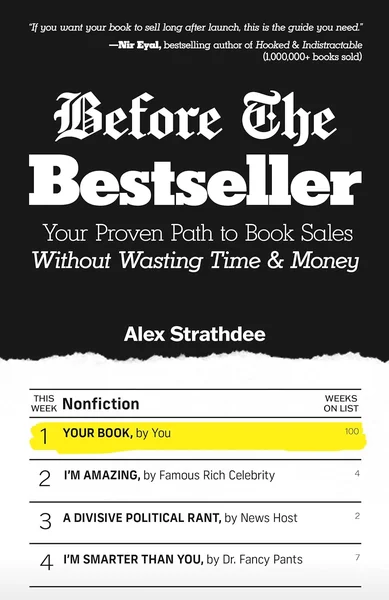
Before The Bestseller succeeds as a practical resource for authors who recognize that effective book marketing requires systematic thinking rather than random promotional activities. The guide's greatest strength lies in its ability to transform overwhelming marketing landscapes into manageable, prioritized action plans.
This book works best for authors who have already completed their manuscripts and are ready to commit seriously to promotional efforts. Writers still in early drafting stages might find more value in focusing on their craft before diving into marketing strategy. However, for authors approaching publication or struggling with disappointing sales despite previous promotional efforts, this guide offers genuinely helpful frameworks for improving results while avoiding common costly mistakes.
The collaborative approach creates a more comprehensive resource than typical single-author marketing guides, providing multiple perspectives on challenges that authors consistently face in today's competitive publishing environment.