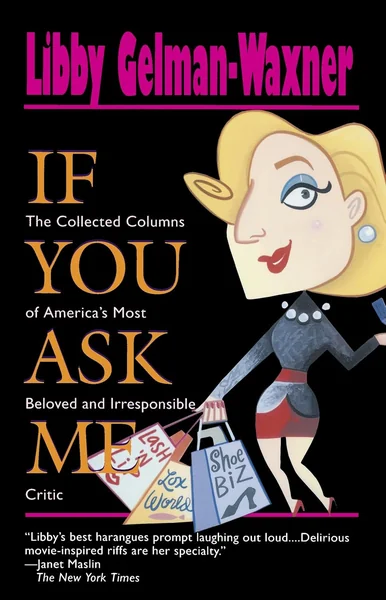
A Critic Who Breaks Every Rule
Gelman-Waxner's approach to film criticism deliberately violates traditional critical standards, and that's precisely what makes her work compelling. She openly discusses her personal reactions, admits to crying during romantic comedies, and isn't embarrassed to enjoy blockbusters that highbrow critics pan. Her columns read like conversations with an extremely well-informed friend who happens to see every major movie release.
The writing style perfectly balances sophistication with accessibility. She can dissect the cinematography in an art film and then seamlessly transition to wondering why leading men never seem to age while actresses disappear after thirty-five. This combination of analytical depth and relatable observations makes complex films approachable while elevating supposedly "lowbrow" entertainment.
Her prose moves quickly, jumping between topics with the energy of someone who genuinely loves talking about movies. The pacing keeps readers engaged even when she's discussing films they haven't seen or have no interest in watching.
The Voice Behind the Reviews
What makes Libby such a memorable critic isn't just her opinions but her willingness to reveal the person behind those opinions. She writes about her own insecurities, her relationship with her husband Josh, and her struggles with everything from career anxiety to family dynamics. This personal element transforms movie reviews into something closer to cultural memoir.
The fictional persona (Gelman-Waxner was actually Paul Rudnick writing under a pseudonym) feels completely authentic because the observations about movies are grounded in recognizable human experiences. When she discusses romantic comedies, she's not just analyzing plot structures—she's exploring what these films reveal about our expectations for love and relationships.
Her irreverent tone extends to Hollywood stars, directors, and industry trends. She's equally comfortable praising unknown character actors and skewering major celebrities who phone in their performances. This democratic approach to criticism creates a refreshing alternative to publications that seem more concerned with industry access than honest assessment.
Sharp Insights Disguised as Entertainment
Beneath the conversational tone and self-deprecating humor, Gelman-Waxner delivers genuinely insightful cultural criticism. She was writing about representation in Hollywood, the male gaze, and the economics of the film industry decades before these topics became mainstream critical concerns. Her observations about how women are portrayed on screen feel remarkably prescient.
The collection captures a specific moment in film history—the early 1990s—when independent films were gaining mainstream recognition while big-budget blockbusters were becoming increasingly important to studio profits. Her reviews document this cultural shift with both humor and genuine analysis.
Her discussions of individual films often expand into broader observations about American culture, consumer behavior, and social expectations. A review of a mediocre romantic comedy becomes an examination of how movies shape our understanding of relationships. A summer blockbuster review transforms into commentary about spectacle versus storytelling.
Where Irreverence Meets Intelligence
The book's greatest strength is its ability to be both genuinely funny and intellectually satisfying. Gelman-Waxner never sacrifices insight for a joke, but she also refuses to take herself so seriously that she loses her sense of humor about the absurdities of both Hollywood and film criticism itself.
Some readers might find the references dated—many of the films discussed are now largely forgotten, and cultural references from the early 1990s may require context. However, the writing style and critical approach remain engaging even when the specific movies feel like historical artifacts.
The collection occasionally suffers from the repetitive nature of weekly columns. Certain themes and observations reappear across multiple reviews, which works better in the original magazine format than in book form. Some columns feel less essential than others, though the overall quality remains consistently high.
Worth Reading for Film Lovers and Cultural Critics
Is If You Ask Me worth your time? For readers who enjoy intelligent cultural commentary wrapped in accessible, entertaining writing, absolutely. The book succeeds both as a time capsule of 1990s film culture and as an example of criticism that values personality alongside analytical rigor.
This collection works best for readers who appreciate irreverent takes on popular culture, enjoy film criticism that doesn't take itself too seriously, and want to understand how movie reviews can function as broader cultural commentary. Fans of writers like Nora Ephron or David Foster Wallace's pop culture essays will likely connect with Gelman-Waxner's voice and approach.
The book is less suitable for readers seeking comprehensive film analysis or those who prefer traditional critical approaches. Some may find the personal asides distracting rather than charming.