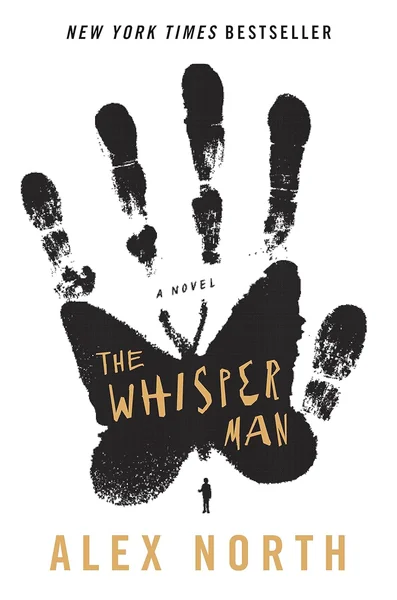
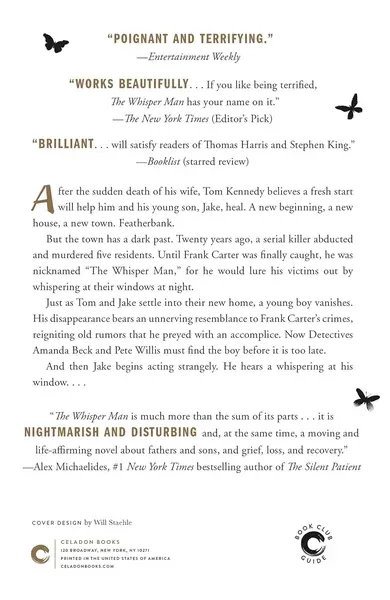
Atmospheric Writing That Builds Dread
North demonstrates impressive control over pacing and atmosphere for a debut novelist. His prose strikes an effective balance between accessible readability and psychological complexity. The author excels at creating an sense of mounting unease through small details—a child's whispered conversation, unexplained sounds in the night, the weight of unspoken grief between father and son.
The narrative alternates between Jake's present-day struggles and Detective Inspector Amanda Beck's investigation, both past and present. North's strongest skill lies in how he interweaves these timelines without relying on cheap tricks or withholding information purely for shock value. The reveals feel earned rather than manipulative.
However, the supernatural elements occasionally feel underdeveloped. While the whispered voices and otherworldly communications create genuine chills, North doesn't fully commit to exploring their implications, leaving some readers wanting either more grounding in reality or deeper supernatural exploration.
Complex Characters Anchored in Real Emotion
Jake emerges as a genuinely sympathetic protagonist whose grief feels authentic rather than melodramatic. His relationship with young Ethan forms the emotional core of the novel, and North captures the specific challenges of single parenthood with remarkable nuance. The author avoids the trap of making Jake either a perfect father or irredeemably flawed—instead presenting a man doing his best while carrying tremendous loss.
Detective Inspector Beck, both in her younger incarnation investigating the original crimes and her current role, provides a strong counterpoint to Jake's civilian perspective. Her professional competence never overshadows her human vulnerabilities, and her connection to the original case adds personal stakes without feeling contrived.
The supporting cast, including Jake's new neighbors and fellow parents in Featherbank, feel like real people rather than plot devices. North particularly excels at depicting how small communities both protect and suffocate their members.
Themes of Protection and the Past's Long Reach
The Whisper Man explores how parents navigate the impossible balance between protecting children and allowing them independence. Jake's hypervigilance following his wife's death creates realistic tension—his fears aren't irrational, but his response threatens to isolate both him and Ethan.
The novel also examines how communities process collective trauma. Featherbank's residents have spent twenty years trying to move beyond the original Whisper Man murders, yet the town remains haunted by what happened. North effectively demonstrates how unresolved cases leave entire communities suspended in a state of unfinished grief.
The theme of communication between children and adults runs throughout the story. The "whisper man" of the title speaks to children in ways adults cannot hear, serving as both literal plot device and metaphor for how trauma affects the young differently than their protectors.
Where Atmospheric Promise Meets Uneven Execution
While The Whisper Man succeeds as an engaging page-turner, it struggles to fully commit to its most interesting elements. The supernatural aspects feel like afterthoughts rather than integral story components, and some plot threads receive rushed resolutions that don't match the careful buildup.
The main weakness lies in the final act, where revelations about the original crimes feel somewhat predictable despite North's efforts to misdirect readers. The connection between past and present cases, while emotionally satisfying, relies on coincidences that strain credibility.
Additionally, some dialogue feels stilted, particularly when characters need to convey exposition. North's descriptive writing far exceeds his conversational dialogue, creating occasional awkward moments that pull readers from the story's spell.
A Solid Thriller With Room to Grow
The Whisper Man works best for readers seeking atmospheric psychological suspense with genuine heart. The father-son relationship provides emotional weight that elevates the material above standard thriller fare, and North's ability to create sustained dread shows real promise for future work.
Not recommended for readers seeking either hard-boiled police procedurals or full supernatural horror—the novel occupies a middle ground that may not fully satisfy fans of either extreme. Those bothered by child endangerment themes should also approach with caution, though North handles these elements tastefully rather than exploitatively.
Content warnings include child abduction, murder, and discussions of pedophilia (handled non-graphically). The supernatural elements remain subtle enough not to alienate readers who prefer realistic crime fiction.