
BOOKS
Published
Read Time
6 min read
Our Rating
4.5
Reviewed by
LuvemBooks
Share This Review
SuperSummary Alexander Hamilton Study Guide Review
Our Rating
4.5
A competent analytical guide that distills Chernow's complex biography into accessible themes and key insights, though it inevitably sacrifices the rich detail and narrative pleasure of the original.
In This Review
- Navigating Chernow's Masterpiece Made Simple
- SuperSummary's Analytical Framework
- Key Figures in Hamilton's World
- Themes of Ambition and Legacy
- Strengths and Notable Gaps
- Who Benefits Most from This Approach
Navigating Chernow's Masterpiece Made Simple
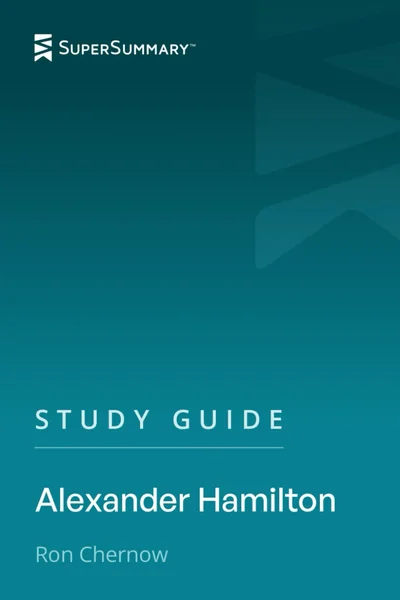
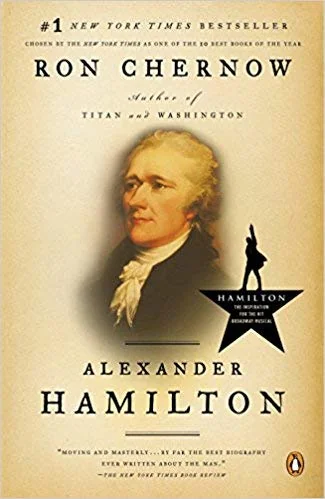
A useful academic scaffold, but not a substitute for the biography it distills. Ron Chernow's Alexander Hamilton stands as one of the definitive biographies of America's most enigmatic founding father—a comprehensive exploration that inspired a Broadway phenomenon. But what if you need the key insights without the commitment to hundreds of pages? SuperSummary's study guide distills Chernow's exhaustive research into digestible analysis, offering readers a pathway through Hamilton's complex legacy without losing the essential substance that made the original biography so compelling.
The guide's design suggests accessibility and clarity, mirroring its mission to make Chernow's intricate narrative more approachable. For students tackling American history assignments or readers who want to understand Hamilton's influence before diving into the full biography, this condensed approach offers an intriguing alternative to wrestling with Chernow's comprehensive tome.
SuperSummary's Analytical Framework
SuperSummary approaches Chernow's work with systematic precision, breaking down the biography's complex structure into manageable thematic sections. The guide doesn't simply summarize chronological events—it examines Chernow's methodology, his use of primary sources, and the way he constructs Hamilton's character through meticulous research. This analytical layer distinguishes it from basic plot summaries, offering readers insight into both Hamilton's life and Chernow's biographical craft.
The guide effectively captures Chernow's central thesis: that Hamilton was simultaneously America's economic visionary and its most politically vulnerable founder. Where Chernow spends chapters building this argument through detailed evidence, SuperSummary distills the key supporting points while maintaining the nuanced perspective that made the original so acclaimed.
Key Figures in Hamilton's World
Rather than getting lost in Chernow's extensive cast of historical players, the guide focuses on the relationships that shaped Hamilton most profoundly. George Washington emerges as the father figure Hamilton never had, while Thomas Jefferson and James Madison represent the ideological opposition that would define early American politics. The guide particularly illuminates Hamilton's complex dynamic with Aaron Burr, tracing their relationship from early friendship through political rivalry to its tragic conclusion.
SuperSummary wisely emphasizes the women in Hamilton's life—Eliza Schuyler Hamilton, her sister Angelica, and Maria Reynolds—showing how Chernow uses these relationships to reveal different facets of Hamilton's character. The guide captures how Chernow portrays these three figures not merely as supporting characters but as individuals who influenced Hamilton's personal and political development.
Themes of Ambition and Legacy
The study guide distills Chernow's exploration of Hamilton's driving ambitions and their consequences. It examines how Hamilton's immigrant status fueled both his relentless work ethic and his political vulnerabilities—themes that reach beyond historical biography into contemporary discussions of American identity. The guide captures Chernow's argument that Hamilton's financial system laid the groundwork for American capitalism while creating lasting political divisions.
SuperSummary doesn't shy away from the contradictions that make Hamilton fascinating—his advocacy for strong federal government alongside his aristocratic tendencies, his brilliant economic vision paired with personal financial struggles, his commitment to honor culture that ultimately led to his death. These paradoxes receive clear analysis without oversimplification.
Strengths and Notable Gaps
The guide excels at making Chernow's complex economic explanations accessible. Hamilton's financial reports and banking theories, which can bog down readers of the full biography, receive clear, concise treatment that preserves their historical significance while explaining their practical impact. The guide also effectively contextualizes Hamilton within broader historical currents, from the Revolutionary War through the early republic's growing pains.
However, the condensation inevitably sacrifices some of Chernow's rich detail and atmospheric writing. Readers seeking to understand Hamilton's emotional life or the social dynamics of 18th-century New York will find themselves wanting more depth. The guide serves its analytical purpose but cannot replicate the immersive experience that makes Chernow's full biography so engaging.
Who Benefits Most from This Approach
This SuperSummary study guide works best for students who need structured analysis of Chernow's arguments for academic purposes, or for readers who want to understand Hamilton's historical significance before committing to the full biography. It's particularly valuable for those approaching Hamilton the musical with curiosity about the historical Hamilton, offering context for Lin-Manuel Miranda's creative interpretations.
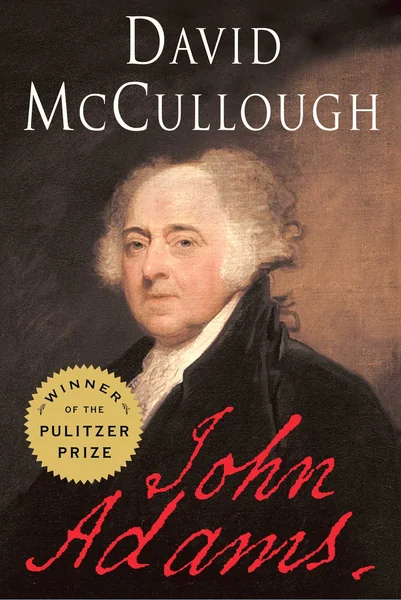
The guide falls short for readers seeking the narrative pleasure of Chernow's storytelling or those who want to fully appreciate his research craft. Like Team of Rivals or John Adams, Chernow's biography rewards patient readers with rich historical texture that no summary can fully capture.
SuperSummary's study guide is a solid starting point, not a destination. It gives students and curious readers a clear map of Chernow's arguments and Hamilton's legacy—just don't expect it to replace the depth that made Chernow's original an enduring achievement.
Students prepping for American history coursework and musical-goers wanting the real story behind Lin-Manuel Miranda's Hamilton will get the most from this guide — the Amazon link in the sidebar has the current price.
Product Gallery

Frequently Asked Questions
Is Study Guide: Alexander Hamilton by Ron Chernow (SuperSummary) worth reading in 2026?
Based on my 4.5/5 rating, this study guide is definitely worth reading if you're tackling Chernow's dense 800-page biography. It provides clear chapter summaries and analysis that make Hamilton's complex political and financial innovations much more digestible for modern readers.
Who should read Study Guide: Alexander Hamilton by Ron Chernow (SuperSummary)?
This study guide is perfect for students, book club members, and anyone who wants to understand Chernow's Hamilton biography without getting lost in the historical details. It's especially valuable for those preparing for exams or discussions about early American history and political thought.
How does SuperSummary's Alexander Hamilton study guide compare to other Hamilton resources?
Unlike Wikipedia summaries or basic book notes, SuperSummary provides structured analysis with character insights, thematic exploration, and historical context. It strikes the right balance between comprehensive coverage and accessibility that generic study aids often miss.
What are the main takeaways from SuperSummary's Alexander Hamilton study guide?
The guide emphasizes Hamilton's revolutionary financial vision, his complex relationships with Washington and Jefferson, and how his immigrant background shaped his fierce dedication to American prosperity. It clearly explains how Hamilton's policies laid the groundwork for America's economic success.
Does the SuperSummary Alexander Hamilton study guide cover Hamilton's personal relationships?
Yes, the guide thoroughly explores Hamilton's marriage to Eliza, his affair with Maria Reynolds, and his intense political rivalries with Jefferson and Burr. It provides clear analysis of how these personal dynamics influenced his public career and ultimate downfall.
At $11.95, is Study Guide: Alexander Hamilton by Ron Chernow (SuperSummary) worth buying?
For the price, this study guide offers excellent value considering it can save you hours of note-taking and confusion while reading Chernow's massive biography. The structured analysis and key insights justify the cost, especially for students or busy readers.
Can SuperSummary's Alexander Hamilton study guide replace reading the original Chernow biography?
While the study guide is comprehensive, it's designed to supplement rather than replace Chernow's full biography. It's ideal for review, comprehension, and analysis, but you'll miss the rich storytelling and detailed research that made Chernow's book a bestseller.
BEST DEAL
Related Reviews
Reviews of books we picked for readers who enjoyed Study Guide.
Reader Comments
No comments yet
Be the first to share your thoughts!