

8 min read
Share This Review
The First American: The Life and Times of Benjamin Franklin by H. W. Brands Review: Meticulous, Narrative-Rich Founding Era Biography
H. W. Brands's The First American: The Life and Times of Benjamin Franklin is a Pulitzer Prize finalist biography published by Doubleday that traces Benjamin Franklin's arc from penniless Boston runaway to one of the eighteenth century's most admired global figures — drawing on previously unpublished letters and earning praise from major outlets as the authoritative Franklin biography of its era.
LuvemBooks Verdict
Best for
Serious readers of American history — students of the Revolutionary and Constitutional periods, or anyone seeking a single, comprehensive account of Franklin's full arc from Boston printer to elder statesman — who want depth, primary-source rigour, and narrative confidence in one volume.
Worth it if
You want the most thorough single-volume life of Franklin available, written with clear prose and sustained insight across his roles as scientist, inventor, writer, diplomat, and founding statesman.
Skip if
You're looking for a short, focused introduction to Franklin or are interested primarily in just one facet of his life — the scientist, the satirist, or the inventor — since the full-life sweep here is genuinely substantial and demands committed reading.
What readers & critics say
Publishers Weekly called it a "stunning new work," praising Brands's vivid demonstration that Franklin "defined the Renaissance man" and highlighting his treatment of Franklin's exuberant versatility as a writer. The bestpresidentialbios.com reviewer confirmed the book's status as a Pulitzer Prize finalist, while thebestbiographies.com offered a more measured note, observing that occasional contextual tangents can distract from the narrative and that Franklin "remains stubbornly perplexing and mysterious after more than seven hundred pages."
“Brands vividly demonstrates that Franklin defined the Renaissance man — a stunning new work.”
— Publishers WeeklyAsk LuvemBooks
Was this helpful?
- Is it worth reading?
- For readers with a serious interest in Benjamin Franklin or the American founding era, The First American is widely regarded as an essential text. Joseph J. Ellis, author of the Pulitzer Prize–winning Founding Brothers, called it 'the authoritative Franklin biography for our time,' and the Dallas Morning News declared Franklin's life 'has not been told better than by Mr. Brands.' The biography's comprehensiveness is its defining strength — and also its key caveat: those seeking a brief or entry-level portrait will find the depth here considerable.
- Similar books
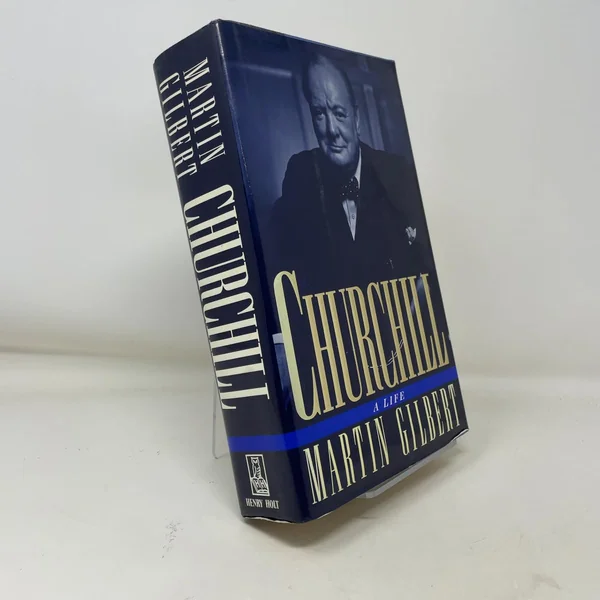
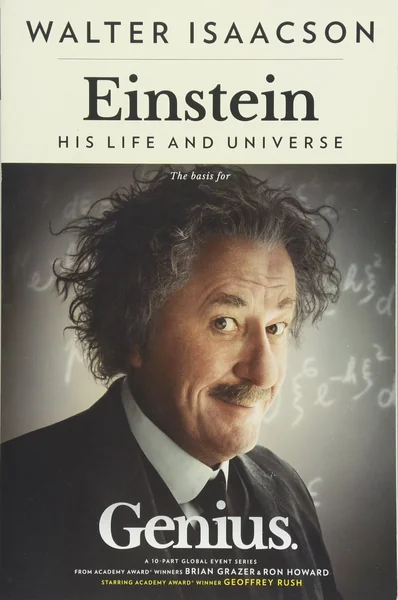
- Readers who enjoy The First American will find strong company in the related titles displayed below. Walter Isaacson's Benjamin Franklin: An American Life covers similar ground in a somewhat more accessible register. David McCullough's John Adams offers a comparable full-life treatment of another founding-era giant. Ron Chernow's Alexander Hamilton is another celebrated comprehensive biography of a Founding Father. For readers drawn to Brands's narrative style across epic lives, The Power Broker: Robert Moses and the Fall of New York by Robert A. Caro and Churchill: A Life by Martin Gilbert represent the same tradition of deeply researched, large-scale biography — as does Walter Isaacson's Steve Jobs for those interested in the polymath-genius framing.
- Who should read this?
- The First American is best suited to general readers with a serious interest in American history, students of the Revolutionary and Constitutional periods, and anyone seeking a single comprehensive account of how Franklin moved from obscurity to the company of Voltaire, Hume, Burke, and Kant. It is also a natural read for those already familiar with Brands's other major biographies who want to encounter the work that established his reputation. Readers whose primary interest is only one facet of Franklin — the scientist, the satirist, or the inventor — may find the full-life narrative more expansive than their specific focus requires.
- About H. W. Brands
- H. W. Brands was born in 1953.
- Why is this book trending?
- With the United States approaching its 250th birthday in 2026 — the Semiquincentennial — readers are turning to the founders in significant numbers, and The First American is riding that wave as one of the most readable and well-regarded biographies of Benjamin Franklin available. Franklin's story, which Brands frames as 'the story of the birth of America,' resonates particularly strongly in this anniversary moment. The book's reputation as the authoritative single-volume life of Franklin, endorsed by Founding Brothers author Joseph J. Ellis, makes it a natural choice for readers who want to engage seriously with the founding era ahead of the national milestone.
- How well-researched is it?
- The research base for The First American is substantial by any measure. Brands drew on previously unpublished letters alongside a wide range of other primary sources, and the biography includes full bibliographical references and an index covering pages 717–742. Critics described it as a 'thorough biography of America's first Renaissance man,' and Joseph J. Ellis's endorsement as 'the authoritative Franklin biography for our time' carries particular weight given Ellis's own standing as a Pulitzer Prize–winning Founding Era scholar.
- Does it cover Franklin's writing and wit?
- A particular strength of The First American, as highlighted by Publishers Weekly, is Brands's treatment of Franklin as a writer. Brands does an excellent job of capturing Franklin's 'exuberant versatility as a writer who adopted countless personae' — a quality Publishers Weekly linked directly to both his prominence as a man of letters and his agility as a political operator. This attention to Franklin's literary self-fashioning, the review notes, gives the biography texture beyond a standard recounting of events.
Summarize this book
Follow up
Synthesized from verified book data & published reviews · How we review
Press Enter to ask. Answers come from our editorial Q&A — start typing to see related questions.
Age & Reading Level
Recommended age
Adult
Reading level
Adult
who it suits
Skip if you're looking for a short, focused portrait of one aspect of Franklin's life rather than a comprehensive full-life narrative.
Our Review
What the Book Is and What It Covers
The Scope of Franklin's Achievements as Brands Presents Them
Narrative Strengths and Scholarly Craft
Scale, Ambition, and Who May Find It Demanding
Significance and Ideal Readership
Sources & Further Reading
The key facts and claims in this review are grounded in the retrieved, verified sources listed below.
- Cited in this review
- 1
- 2
porchlightbooks.com
- 3
- Further reading
- 4
H. W. Brands, Wikipedia
- 5
- 6
publishersweekly.com
- 7
- 8
- 9
- 10
penguinrandomhouse.com
Books like The First American
Curated picks for readers who enjoyed The First American, with our reasoning for each match.
If you liked The First American
Why It’s Trending
Franklin Biography Draws Renewed Interest Amid American Founding Era Conversations
H. W. Brands's Pulitzer Prize finalist biography of Benjamin Franklin is seeing renewed reader interest as conversations about American history, identity, and founding ideals stay front and center in the cultural moment. It's the kind of book that keeps finding new audiences when people want to go back to the source.