8 min read
4.4
· 69 Amazon ratingsShare This Review
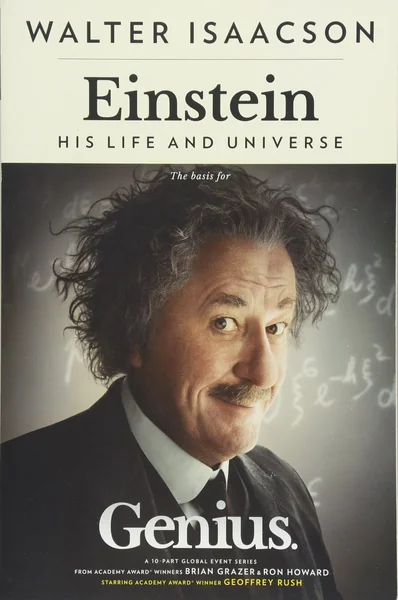
Einstein: His Life and Universe by Walter Isaacson Review: A Definitive, Richly Researched Biography
Walter Isaacson's Einstein: His Life and Universe, originally published by Simon & Schuster in 2007, stands as a landmark biography that draws on newly available primary sources to show how Albert Einstein's rebellious, inquisitive personality was inseparable from his scientific genius — a portrait that earned generally positive critical reception from outlets including The Guardian and Physics Today.
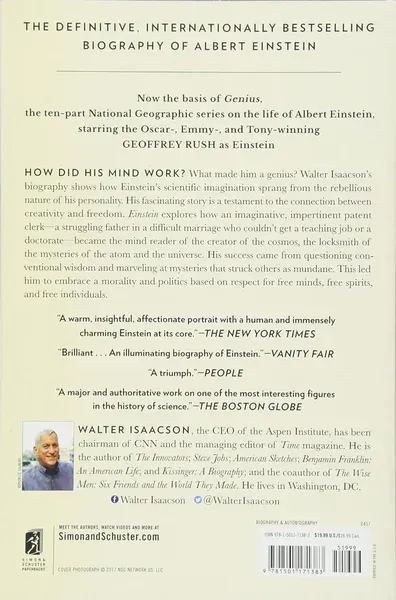 Tap to enlarge
LuvemBooks Verdict
Best for
General readers who want a substantive, narratively alive, and well-sourced account of Einstein's life and science — particularly those who enjoy sweeping, character-driven biographies of intellectual figures and are willing to engage with the physics without being physicists themselves.
Worth it if
You want a single, chronologically coherent biography that integrates Einstein's personal struggles, professional setbacks, and scientific breakthroughs into one authoritative and accessible narrative grounded in primary sources.
Skip if
You are a specialist historian of science seeking rigorous historiographical analysis and deep institutional context — Professor Matthew Stanley's mixed scholarly review, noted in Wikipedia's reception summary, signals that academic readers may find the book prioritises narrative accessibility over specialist rigour.
What readers & critics say
Kirkus Reviews called it "an exemplary biography, at once sympathetic and unsparing" and praised Isaacson's lucid explanation of Einstein's theories using newly available archival materials. Wikipedia's reception summary records a generally positive critical response across multiple outlets, while also noting a mixed scholarly review from Professor Matthew Stanley in Historical Studies in the Natural Sciences, suggesting the book is better received by general readers than by academic historians of science.
“An exemplary biography, at once sympathetic and unsparing — a comprehensive and marvelously readable life of the eminent scientist.”
— Kirkus ReviewsAsk LuvemBooks
Was this helpful?
- Is it worth reading?
- For general readers with a genuine curiosity about Einstein — the man as much as the science — this biography is widely regarded as the definitive accessible account. Physics Today praised it as well-written and carefully researched with extensive notes, and Dr. John Salmon, writing in the BYU Design Review, called Isaacson 'a master biographer' who blends Einstein's personal life and theoretical discoveries without bypassing the science. The caveat is audience fit: readers seeking a purely technical history of relativity theory or rigorous historiographical scholarship — as flagged by Professor Matthew Stanley's mixed review in Historical Studies in the Natural Sciences — may need to supplement it with more specialist literature.
- Similar books
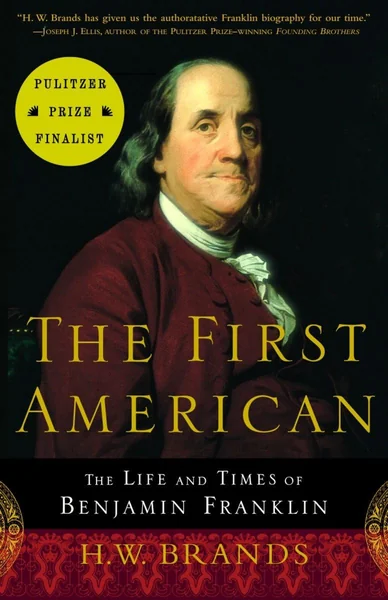
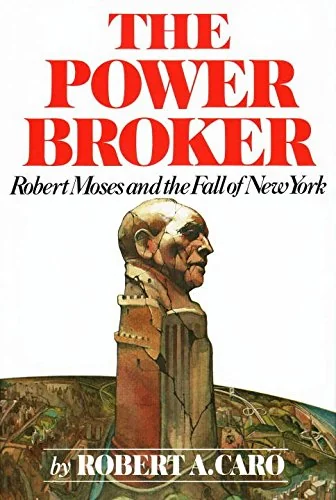
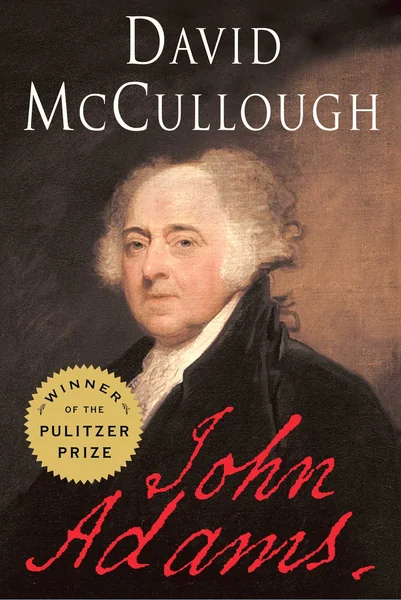
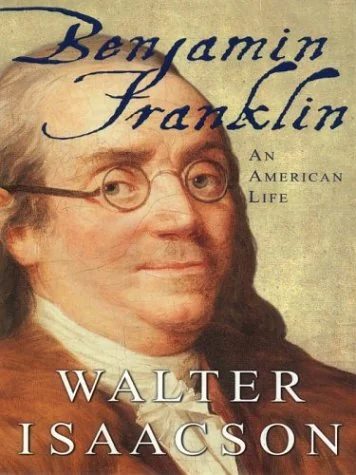
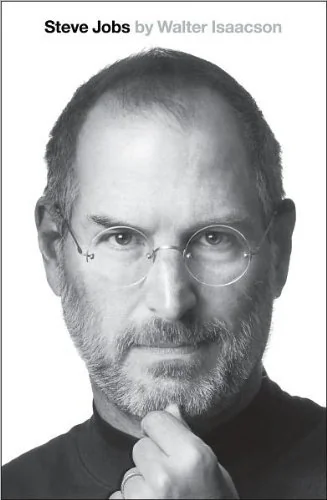
- Readers who enjoy Isaacson's approach here will find much to appreciate in his Benjamin Franklin: An American Life (Walter Isaacson) and Steve Jobs (Walter Isaacson) — both applying the same method of balancing public significance against private life in chronological, character-driven narratives. For comparable sweeping biography of an American founding figure, H. W. Brands' The First American: The Life and Times of Benjamin Franklin and David McCullough's John Adams offer similar ambition and general-reader accessibility. Robert A. Caro's The Power Broker: Robert Moses and the Fall of New York represents the gold standard of deeply sourced, character-driven American biography for readers who want to push further into the form.
- Who should read this?
- Einstein: His Life and Universe is written for engaged general readers who want a substantive, well-sourced, and narratively alive account of one of history's most consequential scientific minds — readers willing to engage with the physics but who are not themselves physicists. Fans of sweeping, character-driven intellectual biography, particularly those who enjoyed Isaacson's earlier Benjamin Franklin, will find the same approach applied with comparable ambition. It is equally suited to readers drawn to the intersection of personality and genius: the book's central argument — that Einstein's rebellious, authority-defying nature was the direct engine of his scientific breakthroughs — gives it a compelling through-line beyond any single discovery.
- About Walter Isaacson
- Walter Seff Isaacson is an American journalist who has written biographies of Henry Kissinger, Benjamin Franklin, Leonardo da Vinci, Albert Einstein, Steve Jobs, Jennifer Doudna, and Elon Musk.
- What makes this biography unique?
- What sets Einstein: His Life and Universe apart from earlier Einstein biographies is its primary source foundation: it was the first complete biography written after all of Einstein's papers became available, giving Isaacson access to a documentary record his predecessors lacked. Beyond the archival depth, Isaacson consulted directly with physicists Murray Gell-Mann, Brian Greene, and Lawrence Krauss to ensure the scientific narrative was accurate. Physics Today praised the result as carefully researched with extensive notes — a biography that, as Dr. John Salmon wrote in the BYU Design Review, 'blends a beautiful tapestry of Einstein's personal life and theoretical discoveries without bypassing the science.'
- What is the book's central argument?
- The book's core thesis, as Isaacson frames it, is that Albert Einstein's scientific genius was not separable from his rebellious, authority-defying personality — the two were the same thing. The 'imaginative impertinence' that made him unemployable after graduating from the Zurich Polytechnic (the only member of his class not to receive a job offer), and that sent him across Europe in a fruitless search for academic work, was precisely what allowed a struggling patent clerk in a difficult marriage to develop the theory of general relativity and produce the foundational papers of his 1905 'miracle year.' The publisher frames this as a lesson with ongoing relevance: Einstein's creativity and willingness to experiment are described as traits just as vital for the present century as they were at the dawn of the modern age.
Summarize this book
Follow up
Synthesized from verified book data & published reviews · How we review
Press Enter to ask. Answers come from our editorial Q&A — start typing to see related questions.
Age & Reading Level
Recommended age
Adult
Reading level
Adult
who it suits
Skip if you are looking for a technically rigorous or historiographically specialist account of Einstein's place in twentieth-century physics
Our Review
What the Book Actually Is and Argues
Scope, Sources, and Preparation
Critical Reception and Strengths
Where the Book Draws Criticism
Who This Book Is For
Sources & Further Reading
The key facts and claims in this review are grounded in the retrieved, verified sources listed below.
- Cited in this review
- 1
en.wikipedia.org
- 2
- 3
- Further reading
- 4
Walter Isaacson, Wikipedia
- 5
- 6
- 7
pmc.ncbi.nlm.nih.gov
- 8
bobsbeenreading.com
- 9
- 10
- 11
- 12
- 13
Books like Einstein
Curated picks for readers who enjoyed Einstein, with our reasoning for each match.
More by Walter Isaacson
If you liked Einstein