BOOKS
Published

Read Time

4 min read

Curated & edited by

LuvemBooks Editorial

How we create our reviews →
Share This Review

Half Baked Harvest Cookbook by Tieghan Gerard Review: Farm-Fresh Comfort Food with Global Flair

Tieghan Gerard's debut cookbook translates the wildly popular Half Baked Harvest blog into 125 recipes that blend farm-to-table sensibility with globe-spanning flavors, each paired with a full photograph—a fitting introduction for fans and a compelling entry point for newcomers to her creative, comfort-forward kitchen.

LuvemBooks Verdict

Best for

Home cooks—especially those feeding families or entertaining—who are already drawn to the Half Baked Harvest blog's visual aesthetic and enjoy eclectic, comfort-food recipes that borrow freely from global traditions without demanding mastery of any single cuisine.

Worth it if

You want a visually rich, every-recipe-photographed collection that prioritises bold, creative flavour combinations over structured technique or regional culinary depth.

Skip if

You're looking for a focused, technique-driven guide to a specific cuisine or culinary tradition—the book's deliberately eclectic range follows Gerard's personal palate rather than any unifying instructional framework.

What readers & critics say

Epicurious, as quoted on penguinrandomhouse.com, praised the recipes for following "no logic other than flat-out good taste," capturing both the collection's eclectic appeal and its intentional informality. Feastinthyme.com described the debut as "a well-balanced collection of recipes that will bring fun and creativity to your kitchen," singling out its bright photography, unique food styling, and Gerard's distinct personality as particular strengths. Broadwayworld.com called it "a cookbook you will want to have in your collection," noting the 125 recipes are "wonderfully presented with easy to follow instructions, and beautiful full-page photographs."

Sources: Penguin Random House, Feast in Thyme, Broadway World
4.8from 7,905 Amazon ratings— reader ratings, not a LuvemBooks score

Look inside the book

Preview the actual pages, via Google Books
In This Review
  • What Works & What Doesn't
  • What the Book Actually Is
  • The Recipe Range and Flavor Philosophy
  • Reception and the Blog-to-Book Transition
  • Photography as a Structural Feature
  • Who This Book Is For and Where It Has Limits

What Works & What Doesn't

What Works
  • 125 recipes spanning a wide range of global influences and comfort-food formats, offering strong variety for home cooks
  • Every recipe is paired with a photograph, making the book as visually engaging as the blog it originated from
  • Rooted in a relatable origin story—cooking for a large family under real constraints—that informs the 'maximum flavor, minimum fuss' design intent
  • Praised by Epicurious for recipes driven by 'flat-out good taste,' and described by feastinthyme.com as a well-balanced, creativity-inspiring collection
  • Published by Clarkson Potter as the launch of what became a multi-volume series, giving it the weight of a proven, sustained culinary voice
What Doesn't
  • The eclectic, genre-crossing recipe range follows personal taste rather than a structured culinary framework, which may frustrate readers seeking depth in a specific cuisine or technique
  • The farm-to-table mountain aesthetic and Gerard's personal narrative are central to the book's identity—readers uninterested in the lifestyle context may find those elements more prominent than expected
A debut cookbook that delivers on the promise of a beloved blog, bringing 125 recipes and Gerard's mountain-barn aesthetic to the printed page in a single cohesive volume published by Clarkson Potter in September 2017.

What the Book Actually Is

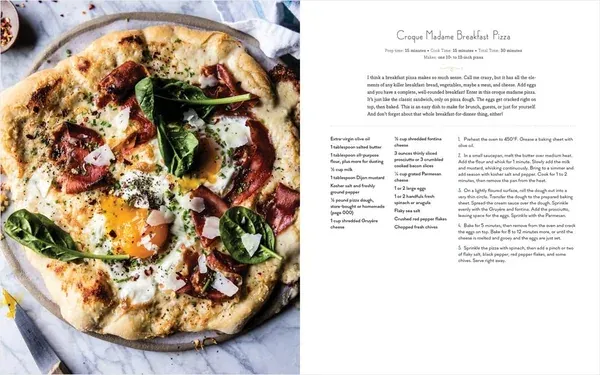
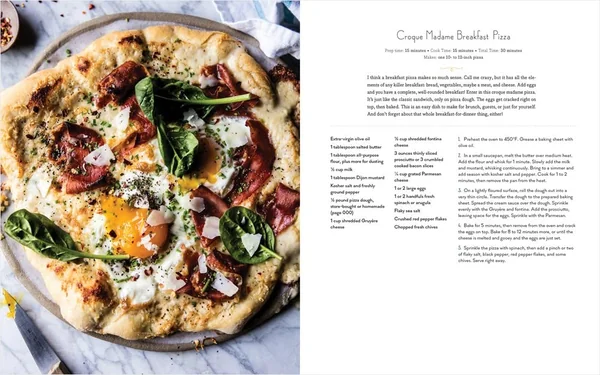
Recipe spread featuring Crepe Madame Breakfast Pizza with ingredients list and step-by-step instructions.
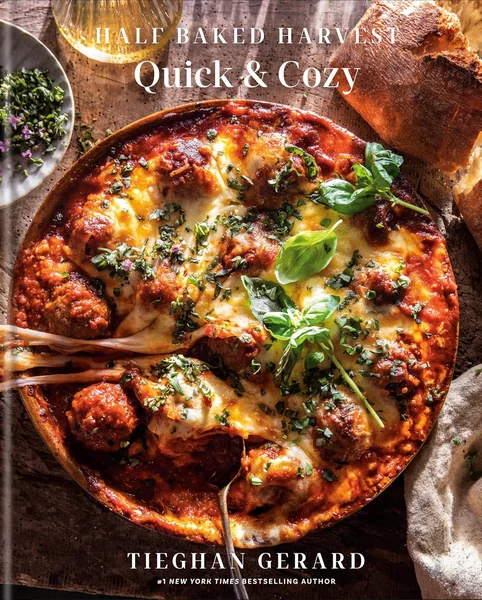
Half Baked Harvest Cookbook: Recipes from My Barn in the Mountains is a collection of 125 recipes by Tieghan Gerard, the creator of the Half Baked Harvest blog, published by Clarkson Potter on September 12, 2017. The book is grounded in Gerard's biography: she grew up as one of seven children, first in Ohio and later in the mountains of Colorado, and began cooking for her large family at age fifteen when her father's dinnertime preparations ran long. That origin story—feeding a crowd, finding creativity under constraint—shapes the cookbook's stated promise of "maximum flavor, minimum fuss." The subtitle, Recipes from My Barn in the Mountains, nods to Gerard's Colorado barn-turned-test kitchen, which serves as both the physical and spiritual backdrop of the book. Penguin Random House's own description frames it as the launch of what has since become a "megahit cookbook series."

The Recipe Range and Flavor Philosophy

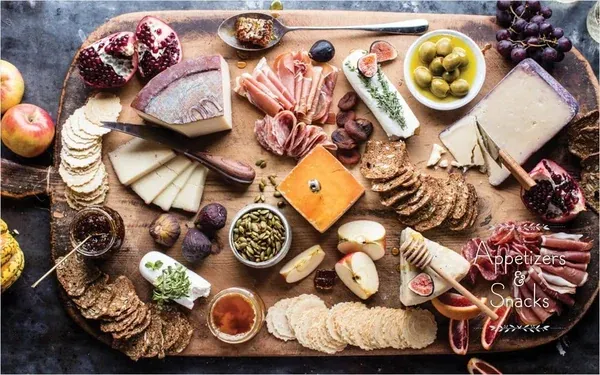
The 125 recipes that fill the book resist easy categorization. As Epicurious put it, they "veer from Braised Pork Tamale Burrito Bowls to Crispy Buffalo Quinoa Bites with no logic other than flat-out good taste." The collection draws from a wide range of culinary traditions: Korean Beef, Sweet Potato, and Quinoa Bibimbap sits alongside Healthier Slow-Cooker Butter Chicken; French Onion Soup gets an Irish twist with Guinness and soda bread; a classic apple pie is elevated with a molasses secret ingredient. Rather than anchoring the book to a single regional cuisine or dietary philosophy, Gerard organizes her cooking around the idea of familiar comfort food reimagined with unexpected ingredients—black forbidden rice beneath a stir fry, real honeycomb on a cheese board, spicy sweet potato fries atop a salad. The design intent throughout is to inject novelty into accessible dishes rather than to introduce entirely unfamiliar techniques.
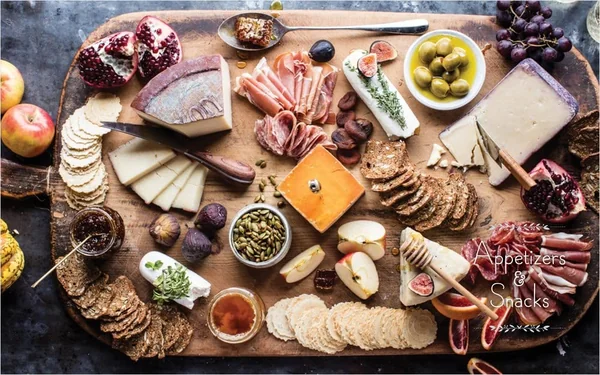
Charcuterie and appetizers board featuring cured meats, cheeses, breads, olives, and fresh produce.

Reception and the Blog-to-Book Transition

The cookbook emerged from a blog that had already attracted millions of readers, and the transition to print appears to have strengthened rather than diluted that following. The publisher describes the blog-to-book arc as the origin of a "megahit cookbook series," and Gerard's subsequent volumes have reinforced her standing—her later work was authored under the designation of a New York Times bestselling author, according to the Half Baked Harvest website. Feastinthyme.com described the debut as "a well-balanced collection of recipes that will bring fun and creativity to your kitchen," crediting both its photography and its range. The cookbook's reach is broad enough that booklarder.com positions it as a resource for both weeknight family dinners and entertaining, underscoring its dual utility.

Photography as a Structural Feature

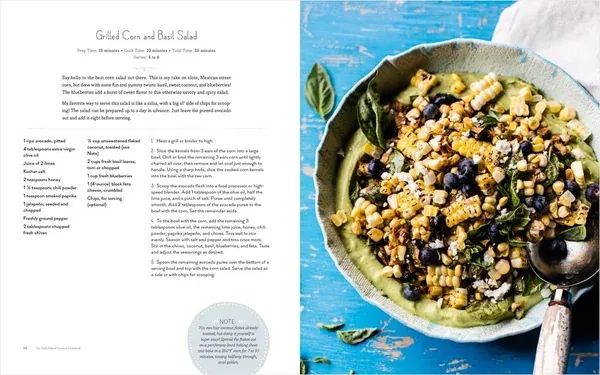
Every recipe in the book is accompanied by a photograph—a deliberate structural choice that mirrors the visual-first nature of the Half Baked Harvest blog. Penguin Random House's description frames this directly: the photographs make the cookbook "a feast for your eyes, too." The publisher credits Gerard herself with the photography that has been central to the blog's identity, and that same aesthetic carries into the print edition. For readers accustomed to cooking-blog culture, where a recipe's visual presentation is inseparable from its appeal, this one-photo-per-recipe approach is consistent with what made the blog successful. It also means the book functions as a browsable object, not only a functional kitchen reference.

Who This Book Is For and Where It Has Limits

The cookbook is positioned for a wide audience—families, entertainers, weeknight cooks—but its eclectic recipe range is most rewarding for readers who are comfortable improvising and enjoy genre-crossing flavor combinations. The deliberate mix of global influences without deep dives into any single culinary tradition means that readers seeking a focused, authoritative guide to one cuisine will find the book's breadth a feature rather than a feature. Epicurious's characterization of the recipes as following "no logic other than flat-out good taste" is accurate as both praise and gentle caveat: the collection coheres around Gerard's personal palate, not a unifying technique or tradition. Readers drawn to her established blog voice and farm-to-table aesthetic are the clearest fit; those looking for a structured, technique-first approach to cooking will find this book organized around inspiration rather than instruction in the classical sense.

Sources & Further Reading

The key facts and claims in this review are grounded in the retrieved, verified sources listed below.

  1. Cited in this review
  2. 1
  3. 2
  4. 3
  5. Further reading
  6. 4

    halfbakedharvest.com

  7. 5
  8. 6
  9. 7
  10. 8