BOOKS
Published
Read Time
6 min read
Our Rating
4.2
Bob Spitz delivers the most comprehensive Beatles biography available, combining meticulous research with readable prose, though the exhaustive approach occasionally overwhelms the narrative flow.
Reviewed by
LuvemBooks
Share This Review
The Beatles by Bob Spitz Review: Definitive Biography
Our Rating
4.2
Bob Spitz delivers the most comprehensive Beatles biography available, combining meticulous research with readable prose, though the exhaustive approach occasionally overwhelms the narrative flow.
In This Review
- What Works & What Doesn't
- A Journalist's Approach to Rock History
- Key Figures in the Beatles Universe
- The Rise and Fall of a Cultural Phenomenon
- Where the Biography Stumbles
- Why This Stands Among the Best Beatles Books
What Works & What Doesn't
What Works
- Extensive research with unprecedented access to primary sources and interviews
- Balanced perspective that treats all band members fairly
- Comprehensive scope covering the complete Beatles story from origins to aftermath
- Readable prose despite the enormous amount of information covered
- Strong coverage of business and cultural contexts often overlooked in other biographies
What Doesn't
- Length and detail level may overwhelm casual readers
- Some sections feel padded with tangential information
- Occasional American perspective misses British cultural nuances
- Cautious treatment of certain controversial topics leaves some questions unexplored
A Journalist's Approach to Rock History
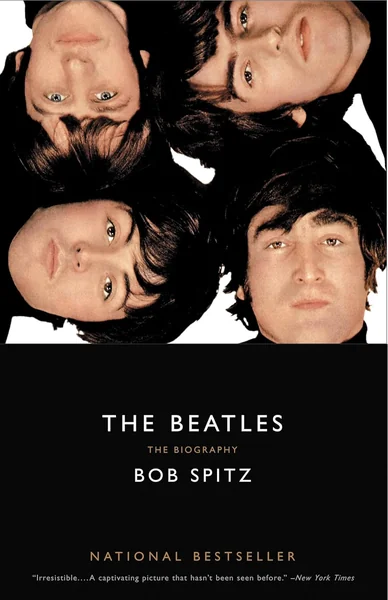
The definitive single-volume Beatles biography — rigorous in its sourcing, humane in its portrait, and essential for anyone serious about the band. Spitz brings a reporter's eye to the Beatles saga, treating his subjects as complex human beings rather than untouchable icons. His prose maintains readability despite the enormous scope, weaving together multiple perspectives and timelines without losing narrative momentum. The writing feels authoritative yet accessible, avoiding both academic dryness and fan worship.
The author's research methodology sets this biography apart. Spitz conducted extensive interviews with surviving members, family, friends, producers, and industry figures. He also gained access to previously unreleased documents and recordings, providing fresh insights even for devoted Beatles scholars. This thoroughness sometimes results in dense passages, but the payoff is a nuanced portrait that challenges simplified legends.
The biographical approach reveals how four working-class Liverpool lads navigated unprecedented fame while battling internal tensions. Spitz doesn't shy away from the darker aspects—the drugs, the business disputes, the personal conflicts that ultimately destroyed their partnership.
Key Figures in the Beatles Universe
Beyond the core quartet of John, Paul, George, and Ringo, Spitz introduces readers to the constellation of people who shaped the Beatles story. George Martin emerges as more than just "the fifth Beatle"—his musical contributions and diplomatic skills proved essential to their studio evolution. The portrait of manager Brian Epstein reveals a brilliant but troubled figure whose death marked a turning point for the band.
The book excels at showing how peripheral figures influenced the Beatles' trajectory. From Hamburg club owners to Apple Corps executives, Spitz demonstrates how the band's success depended on countless individuals working behind the scenes. These character studies prevent the biography from becoming a simple chronological march through hit songs and album releases.
Family members receive particularly thoughtful treatment. The complex relationships with parents, wives, and children add emotional depth to what could have been a purely professional account. Spitz shows how fame strained personal connections and created new pressures on everyone in the Beatles' orbit.
The Rise and Fall of a Cultural Phenomenon
The biography's greatest strength lies in its comprehensive scope. Spitz traces the arc from the Cavern Club to Candlestick Park with remarkable detail. He captures the band's creative peak during the mid-1960s studio years while also documenting their gradual disintegration. The account of the final recording sessions feels particularly poignant, showing four friends who could barely stand to be in the same room.
The cultural context receives equal attention to the music itself. Spitz explains how the Beatles both reflected and shaped the social upheavals of the 1960s. Their evolution from matching suits to avant-garde experimenters mirrors broader generational changes. The biography succeeds in showing why the Beatles mattered beyond their musical innovations.
Business aspects get thorough coverage, from early management contracts to the Apple Corps disaster. These sections might overwhelm casual readers, but they're essential for understanding how creative decisions intersected with commercial pressures.
Where the Biography Stumbles
The main weakness emerges from Spitz's comprehensive approach—at 800-plus pages, the book occasionally drowns in details that don't advance the central narrative. Some chapters feel padded with tangential information about minor figures or industry minutiae. The middle sections covering the psychedelic period sometimes lose focus amid discussions of meditation retreats and business meetings.
The author's American perspective occasionally shows, particularly in his analysis of British cultural contexts. While this outsider view can provide fresh insights, it sometimes misses nuances that British writers might catch. The prose, though generally strong, occasionally lapses into clichéd rock journalism phrases.
Despite extensive research, some controversial topics receive cautious treatment. The book doesn't fully explore certain aspects of the band's personal lives, perhaps out of respect for surviving members or legal concerns. This restraint, while understandable, sometimes leaves readers wanting deeper analysis.
Why This Stands Among the Best Beatles Books
Spitz's biography offers unmatched scope and journalistic rigor among Beatles books. Unlike memoirs by band members or associates, this account keeps critical distance while staying sympathetic to all parties. The sourcing depth and balanced perspective make it the right choice for dedicated music fans who want the complete story, not the curated one.
The book works best for readers already familiar with the basic Beatles narrative but hungry for deeper understanding. Casual fans may find the length daunting; committed readers will find the detail rewarding. If you're only going to read one Beatles biography, this is the one to read.
Among competing Beatles biographies, Spitz's work distinguishes itself through scope and sourcing rather than revelatory scoops or literary flourishes. Readers who want exhaustive rather than selective coverage of the Beatles phenomenon will find it worth every page — the Amazon link in the sidebar has the current price.
Related Reviews
Reviews of books we picked for readers who enjoyed The Beatles.