Where to Start with Elizabeth Strout's Literary Fiction

3 books

Olive, Again: A Novel by Elizabeth Strout
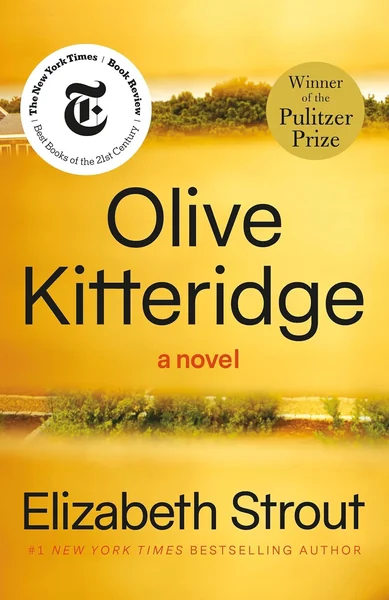
Olive Kitteridge by Elizabeth Strout
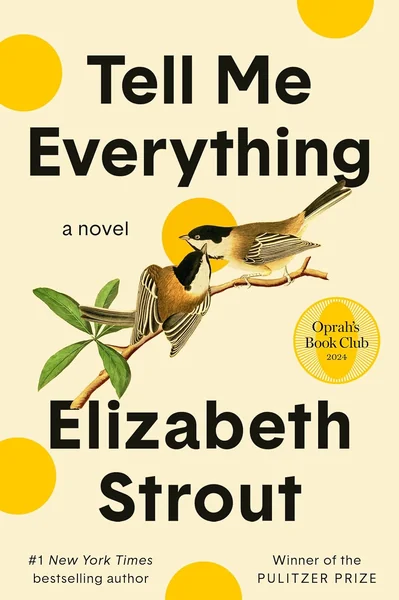
Tell Me Everything: Oprah's Book Club: A Novel by Elizabeth Strout
Literary Fiction

Where to Start with Elizabeth Strout's Literary Fiction

Curated recommendations for fans of Elizabeth Strout and readers of books

3 Books
4.3 Avg
Updated Aug 5, 2026

Few contemporary authors capture the quiet devastation and unexpected grace of ordinary life quite like Elizabeth Strout. Her prose is deceptively simple — spare, precise, and yet capable of landing emotional punches that linger long after the final page. If you're new to her work and wondering where to begin, you're in for a remarkable journey through small-town Maine and the complexity of human connection.

Strout has built one of the most quietly celebrated bodies of work in modern literary fiction, earning the Pulitzer Prize and repeated recognition from Oprah's Book Club along the way. Her novels and story collections often share characters and settings, creating a rich, interconnected world that rewards readers who explore her books in sequence. This list brings together three essential titles that illuminate the full range of her storytelling — whether you're a first-time reader or finally ready to go deeper.

#1
Olive, Again: A Novel by Elizabeth Strout by Elizabeth Strout - book cover
Olive, Again: A Novel by Elizabeth Strout

by Elizabeth Strout

4.4/5

If you loved Olive Kitteridge and wondered whether a sequel could possibly live up to it, the answer — remarkably — is yes. Olive, Again returns to Crosby, Maine, but rather than retreading familiar ground, it pushes Olive into genuinely new emotional territory: old age, a late-life marriage to Jack Kennison, and the slow reckoning of a woman who has spent decades being difficult and is only now, haltingly, asking herself why. The 13 interrelated stories follow Strout's signature method — Olive drifts through some as a central figure, through others as a peripheral one — and the effect is cumulative, like a town gradually coming into focus. A teenager grieving her father, a nurse carrying a long-held secret, a young woman in labor at the worst possible moment: these are the "unrecorded lives" Strout insists on recording, and she does so with almost unbearable precision. Readers who prefer conventional narrative momentum may find the form frustrating — this is not a plot-driven book. But for those attuned to Strout's frequency, it's quietly devastating.
"Beautifully written and alive with compassion, at times almost unbearably poignant."
Level: Advanced
#2
Olive Kitteridge by Elizabeth Strout by Elizabeth Strout - book cover
Olive Kitteridge by Elizabeth Strout

by Elizabeth Strout

4.2/5

The place to begin with Elizabeth Strout is always Olive Kitteridge — the Pulitzer Prize–winning novel-in-stories that introduced one of American fiction's most stubbornly unforgettable characters. Olive is a retired schoolteacher in the fictional coastal Maine town of Crosby: sharp-tongued, emotionally armored, occasionally cruel, and — in flashes she herself can barely acknowledge — deeply feeling. Strout's formal gambit is elegant: 13 interrelated stories in which Olive is sometimes the center, sometimes a figure glimpsed at the margins of someone else's crisis. A man returns to his hometown contemplating suicide and finds himself approached, unexpectedly, by Olive. Henry, her pharmacist husband, tends a quiet, unrequited tenderness for a young employee as his marriage calcifies around him. The structure means no single story bears the full weight of the book, and the emotional accumulation is all the more devastating for it. Strout writes about ordinary life — its small indignities, its sudden losses, its moments of grace — with the patience of someone who genuinely believes it matters. Readers who need a driving plot may find the episodic form unsatisfying, but this is the essential starting point for everything else in Strout's world.
"Thirteen rich, luminous narratives woven together with the heft of a novel."
Level: Advanced
#3
Tell Me Everything: Oprah's Book Club: A Novel by Elizabeth Strout by Elizabeth Strout - book cover
Tell Me Everything: Oprah's Book Club: A Novel by Elizabeth Strout

by Elizabeth Strout

4.3/5

Think of Tell Me Everything as a reunion novel — and an unusually satisfying one. Elizabeth Strout's fifth and final book in her Maine series brings together Lucy Barton, Olive Kitteridge, and Bob Burgess in autumnal Crosby, weaving a murder investigation through what is ultimately a meditation on memory, friendship, and what it means to bear witness to other people's lives. The book's warmest thread is the new friendship between Lucy and Olive — two women who couldn't be more different, trading stories on quiet afternoons. Olive names these exchanges "unrecorded lives," insisting that the act of telling gives the forgotten their due. It's a beautiful encapsulation of what Strout has been doing across her entire body of work, and reading it as a capstone to the series gives it an emotional weight that's hard to describe without sounding excessive. That said, arriving here without having read the earlier books means missing the full resonance — this is a reward for devoted readers, not a front door. If you've journeyed through Strout's Maine already, Tell Me Everything is a generous, aching farewell.
"Strout operating at the height of her powers."
Level: Advanced
Final Thoughts

Whether you begin with the sharp edges of Olive Kitteridge, the warmer revisit of Olive, Again, or the expansive warmth of Tell Me Everything, you're stepping into one of contemporary fiction's most rewarding bodies of work. Elizabeth Strout has a rare gift for making the mundane feel profound — for finding the grief, tenderness, and quiet dignity tucked inside lives that might otherwise go unnoticed.

These three books offer both a perfect entry point and a satisfying deeper dive. Read one, and you'll almost certainly want to read them all. Start anywhere — just start.

Frequently Asked Questions

Most readers and critics recommend starting with Olive Kitteridge, the Pulitzer Prize-winning collection that introduced Strout to a wide audience. It establishes the coastal Maine world and the character dynamics that run through much of her later work, making it the most natural entry point.
While each book works as a standalone reading experience, there's genuine reward in reading them in order. Olive Kitteridge comes before Olive, Again, and characters from both appear in Tell Me Everything, so reading sequentially deepens your connection to the recurring figures in Strout's world.
Strout is known for her quietly observational prose — restrained but emotionally precise. She rarely over-explains her characters' feelings, trusting readers to feel the weight of what's left unsaid. Fans of Olive Kitteridge often describe her work as the literary equivalent of a long, thoughtful exhale.
Not in a traditional sense, but they share a loosely connected universe. Olive Kitteridge and Olive, Again directly follow the same central character, while Tell Me Everything brings together characters from across Strout's novels, including beloved figures like Lucy Barton and the Kitteridges.
Honestly, it's both — and that's part of what makes her so compelling. Her books don't shy away from loss, loneliness, and regret, but they're equally full of moments of unexpected tenderness and connection. Readers who appreciate emotionally honest fiction will find her work deeply satisfying rather than simply bleak.
Yes — Olive Kitteridge won the Pulitzer Prize for Fiction in 2009, which remains her most celebrated accolade. Since then, Tell Me Everything was shortlisted for the Women's Prize for Fiction, and multiple titles have been selected for Oprah's Book Club, cementing her status as one of America's most respected literary voices.
Where to Start with Elizabeth Strout's Literary Fiction | LuvemBooks