7 Fiction Classics Experiencing a Major Cultural Resurgence

7 books
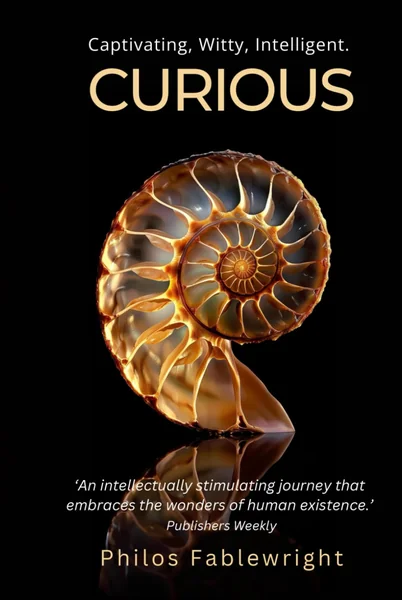
Curious: A captivating fusion of fiction, philosophy, science, history by Philos Fablewright
Where the Crawdads Sing by Delia Owens
The Picture of Dorian Gray by Oscar Wilde
Interpreter of Maladies by Jhumpa Lahiri
Ordinary Grace by William Kent Krueger
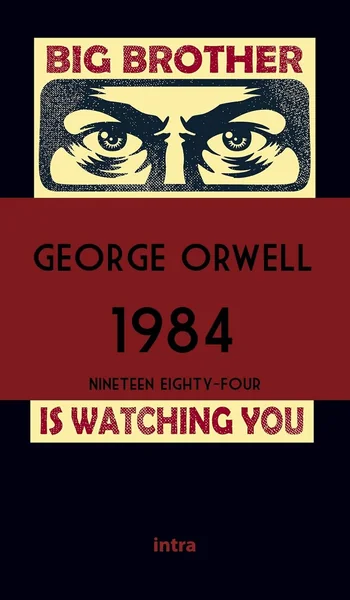
1984 by George Orwell
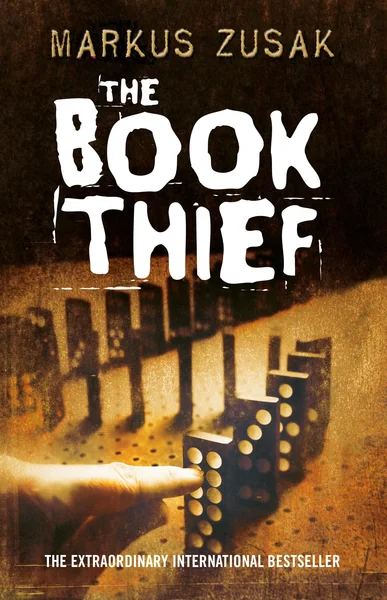
The Book Thief by Markus Zusak
Fiction

7 Fiction Classics Experiencing a Major Cultural Resurgence

Curated recommendations for readers rediscovering classic and backlist titles getting renewed attention

7 Books
4.5 Avg

Some books never truly go away — they simply wait for the world to catch up with them again. Whether sparked by a film adaptation, a viral social media moment, or a cultural shift that suddenly makes an old story feel urgently new, classic and backlist fiction is having a remarkable renaissance. Readers who may have brushed past these titles in school or on a dusty shelf are now discovering them with fresh eyes and finding something profound.

This list brings together seven works of fiction that are experiencing exactly that kind of renewed attention. From George Orwell's chilling dystopia to Jhumpa Lahiri's quietly devastating short stories, from the marshland mysteries of Delia Owens to the Gothic horror of Oscar Wilde, these books span genres and eras — but share one thing in common: they resonate just as powerfully today as when they were first published. If you're ready to rediscover something extraordinary, start here.

Featured Books

Curious: A captivating fusion of fiction, philosophy, science, history by Philos Fablewright
Where the Crawdads Sing by Delia Owens
The Picture of Dorian Gray by Oscar Wilde
Interpreter of Maladies by Jhumpa Lahiri
Ordinary Grace by William Kent Krueger
1984 by George Orwell
The Book Thief by Markus Zusak
7
Books in Collection
4.5/5
Average Rating
Aug 29, 2026
Published
#1
Curious: A captivating fusion of fiction, philosophy, science, history by Philos Fablewright by Philos Fablewright - book cover
Curious: A captivating fusion of fiction, philosophy, science, history by Philos Fablewright

by Philos Fablewright

4.1/5

There's something genuinely unusual happening in Curious by Philos Fablewright — and unusual, in this case, is a compliment. The novel follows Edward, a fallen CEO whose personal unraveling becomes a vehicle for something much larger: questions about existence, technology, and what it actually means to be human right now. Fablewright blends fictional narrative with philosophy, history, and science in the same breath, and somehow keeps the tone alive with humor throughout. It's the kind of debut that swings wide enough to miss in several places and still land somewhere genuinely interesting. Critics noted it's both "engaging and challenging" — which is an honest description, not a euphemism. Readers who want clean genre fiction may find the hybrid structure restless. But if you're drawn to books that refuse to sit still, that treat a single human story as a doorway into bigger ideas, this one rewards patience. A self-published first novel with this level of ambition is rare enough to be worth the risk.
"A mirror for our own — capturing the messy, beautiful contradictions of being human."
Level: N/A
#2
Where the Crawdads Sing by Delia Owens by Delia Owens - book cover
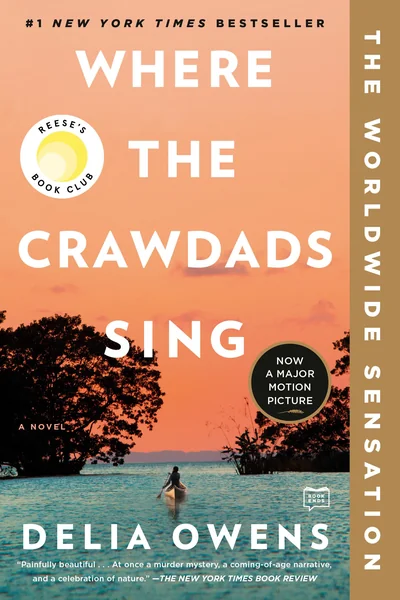
Where the Crawdads Sing by Delia Owens

by Delia Owens

4.7/5

Where the Crawdads Sing by Delia Owens sold over 18 million copies for good reason — Kya Clark, the "Marsh Girl" who raises herself alone in the North Carolina wetlands after her entire family disappears one by one, is one of the most emotionally unforgettable protagonists of recent fiction. The murder mystery plot tightens beautifully, but it's Owens's lyrical nature writing and Kya's fierce, quiet resilience that make this impossible to put down. The closing twist is the kind that makes you want to flip back to page one immediately. If you somehow missed this one during its cultural peak, now is exactly the right moment.
"The novel's closing twist — its most memorable oddity."
Level: N/A
#3
The Picture of Dorian Gray by Oscar Wilde by Oscar Wilde - book cover
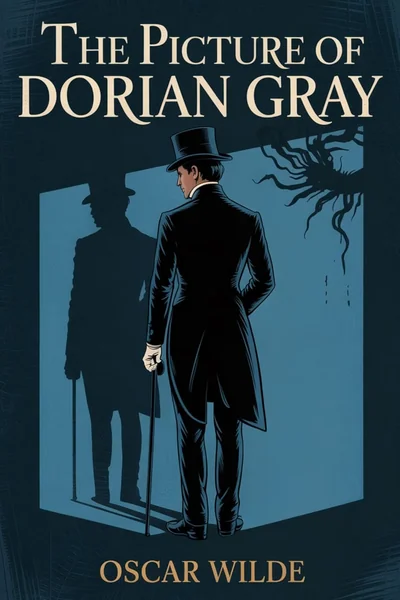
The Picture of Dorian Gray by Oscar Wilde

by Oscar Wilde

4.4/5

More than 130 years after it scandalized Victorian readers, The Picture of Dorian Gray by Oscar Wilde hasn't lost a single edge. The premise is deceptively simple — a vain young man wishes that his portrait would age in his place, leaving him eternally beautiful while the canvas absorbs every sin — but what Wilde builds around that wish is a precise, devastating examination of vanity, moral corruption, and the cost of living purely for pleasure. Lord Henry Wotton remains one of literature's most seductive and dangerous voices, the kind of character whose aphorisms sound brilliant right up until you realize he's poisoning everyone around him. Basil the artist, Dorian the corrupted, and Henry the corruptor form a triangle that Wilde uses to interrogate aestheticism itself. The prose is witty, dense with epigrams, and occasionally theatrical in a way that reflects Wilde's natural habitat on stage. Readers expecting straightforward horror may be surprised by how much of the novel lives in drawing rooms and dinner parties. But that's precisely where Wilde is most dangerous — the rot, when it comes, hits harder for the elegance surrounding it. The Guardian named it one of the 100 best novels written in English, and that ranking holds up.
"An archetypal tale of a young man who purchases eternal youth at the expense of his soul."
Level: N/A
#4
Interpreter of Maladies by Jhumpa Lahiri by Jhumpa Lahiri - book cover
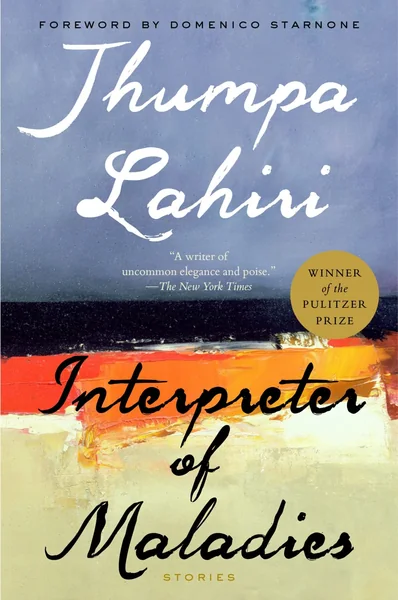
Interpreter of Maladies by Jhumpa Lahiri

by Jhumpa Lahiri

4.4/5

Twenty-five years after its Pulitzer win, *Interpreter of Maladies* reads as though Lahiri wrote it last week. This nine-story debut mapped the emotional geography of Indian and Indian American life with a precision that still feels almost unfair — the way she can collapse an entire marriage into four nights of candlelit confessions, or render the loneliness of a woman who cannot drive herself anywhere without it becoming unbearable. The collection's renewed cultural moment makes sense: stories about "multiple anchorages" and the broken identities immigration can produce speak just as directly now as they did in 1999. Readers who gravitate toward lush, maximalist prose may find Lahiri's restraint coolly distant at first — her style rewards patience more than it rewards speed. But for anyone drawn to quiet stories that detonate slowly, this remains one of the finest short fiction collections American literature has produced.
"The collection maps the emotional geography of displacement — the trauma of self-transformation through immigration, which can produce a series of broken identities."
Level: Advanced
#5
Ordinary Grace by William Kent Krueger by William Kent Krueger - book cover
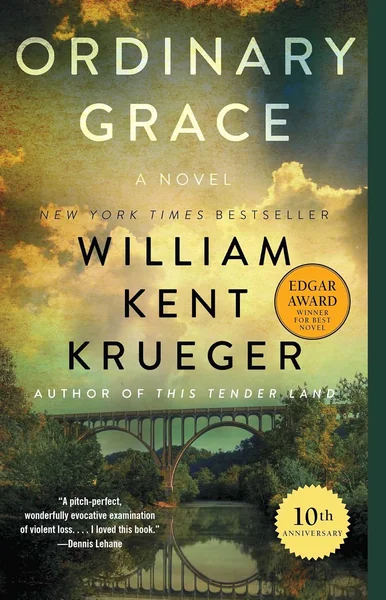
Ordinary Grace by William Kent Krueger

by William Kent Krueger

4.5/5

William Kent Krueger is best known for his Cork O'Connor mysteries, but Ordinary Grace is the book that defines his career — and it's been quietly accumulating devoted readers ever since its 2013 publication. Set in a small Minnesota town across one devastating summer, the novel follows thirteen-year-old Frank Drum through four deaths that arrive with the logic and weight of Greek tragedy. Krueger borrows his animating theme directly from Aeschylus: the idea that wisdom is earned through suffering, that grace is awful in the oldest sense of the word — full of awe, not comfort. What separates this from standard literary mystery is its dual perspective: Frank narrates as an adult looking back, which means every scene carries the particular sadness of someone who now knows exactly what a boy couldn't understand at the time. Readers who need their mysteries plot-driven and fast-paced may find the novel's meditative pace frustrating. But for anyone who loves a story that earns its ending, this is a quiet masterpiece.
"A novel that transforms narrator and reader alike."
Level: Intermediate-Advanced
#6
1984 by George Orwell by George Orwell - book cover
1984 by George Orwell

by George Orwell

4.7/5

Nineteen Eighty-Four doesn't need an introduction — which is exactly why it keeps getting rediscovered. Every few years, the world hands Orwell's novel a new reason to feel current, and readers who dismissed it as a school assignment often return to find something far stranger and more psychologically disturbing than they remembered. Big Brother, the Thought Police, doublethink: these aren't just vocabulary words anymore. For a reading list about cultural resurgence, there may be no cleaner example than this one.
"Orwell's ideas entered mainstream culture in a way achieved by very few books."
Level: Lexile ~1010L / Advanced
#7
The Book Thief by Markus Zusak by Markus Zusak - book cover
The Book Thief by Markus Zusak

by Markus Zusak

4.6/5

William Kent Krueger is best known for his Cork O'Connor mysteries, but Ordinary Grace is the book that defines his career — and it's been quietly accumulating devoted readers ever since its 2013 publication. Set in a small Minnesota town across one devastating summer, the novel follows thirteen-year-old Frank Drum through four deaths that arrive with the logic and weight of Greek tragedy. Krueger borrows his animating theme directly from Aeschylus: the idea that wisdom is earned through suffering, that grace is awful in the oldest sense of the word — full of awe, not comfort. What separates this from standard literary mystery is its dual perspective: Frank narrates as an adult looking back, which means every scene carries the particular sadness of someone who now knows exactly what a boy couldn't understand at the time. Readers who need their mysteries plot-driven and fast-paced may find the novel's meditative pace frustrating. But for anyone who loves a story that earns its ending, this is a quiet masterpiece.
"A novel that transforms narrator and reader alike."
Level: Intermediate-Advanced
Final Thoughts

There's a particular joy in picking up a book that already has a history — knowing that countless readers before you have turned these same pages and felt the same rush of recognition, grief, wonder, or unease. Rediscovering backlist fiction isn't about catching up; it's about joining an ongoing conversation that refuses to go quiet.

Whether you begin with the haunting wartime world of The Book Thief, the moral spiral of The Picture of Dorian Gray, or the small-town tragedy of Ordinary Grace, each of these titles promises a reading experience worth every page. The cultural moment has brought them back into focus — don't miss your chance to see why.

Frequently Asked Questions

Cultural resurgences in fiction are often triggered by film and television adaptations, social media reading communities like BookTok and Goodreads, or real-world events that make older stories feel newly relevant. 1984 by George Orwell, for example, routinely surges in sales during periods of political upheaval, while Where the Crawdads Sing gained a second wave of readers following its major film release.
The Book Thief by Markus Zusak is an ideal entry point. Its emotionally accessible storytelling — narrated by Death and set during World War II — feels cinematic and immediate rather than dense or academic. Where the Crawdads Sing by Delia Owens is another crowd-pleaser, blending coming-of-age drama with a gripping murder mystery.
Absolutely — several on this list are exceptional book club picks. Interpreter of Maladies by Jhumpa Lahiri sparks rich discussion around identity, belonging, and cultural displacement. Ordinary Grace by William Kent Krueger offers deep moral and emotional themes that generate lively conversation, and The Picture of Dorian Gray raises timeless questions about beauty, conscience, and corruption.
Backlist titles come with something new releases can't offer: a proven track record across generations. Books like 1984 or Interpreter of Maladies have been tested by time and continued to resonate. That said, newer backlist titles like Where the Crawdads Sing show that a book doesn't need to be decades old to earn its place among enduring reads.
Interpreter of Maladies by Jhumpa Lahiri is widely regarded as the most quietly literary work on this list — its restrained prose and layered emotional intelligence earned it a Pulitzer Prize. The Picture of Dorian Gray by Oscar Wilde is also richly philosophical, though its Gothic energy makes it more immediately gripping than you might expect from a 19th-century novel.
Curious by Philos Fablewright stands out as the most genre-blending title here, weaving together fiction, philosophy, science, and history in a way that feels genuinely unique. It shares 1984's interest in big ideas embedded in narrative and may appeal to readers drawn to fiction that challenges as much as it entertains.