Best Books to Read Before Their Screen Adaptations

4 books
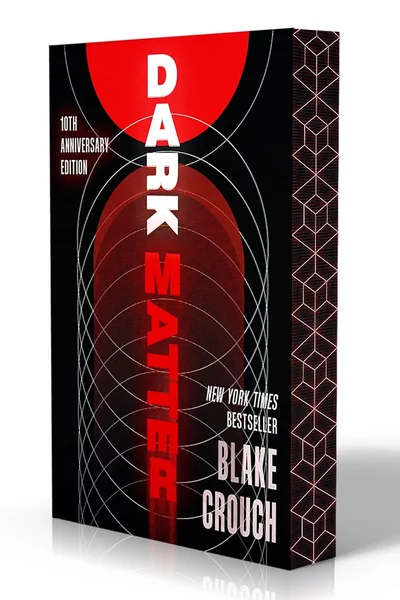
Dark Matter: A Novel by Blake Crouch
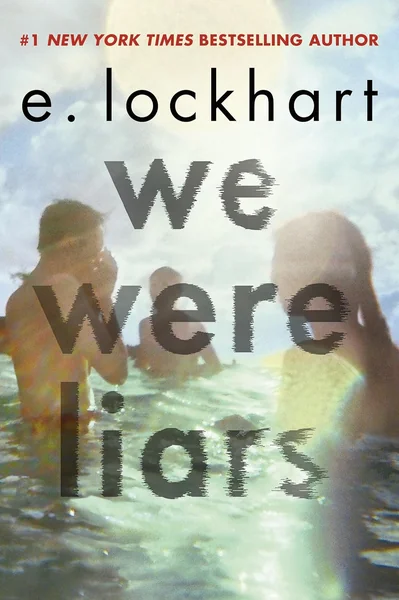
We Were Liars by E. Lockhart
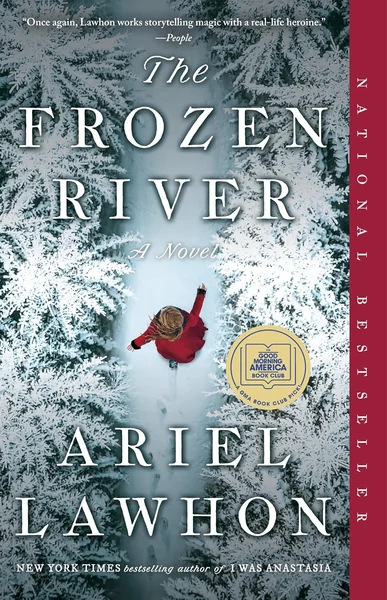
The Frozen River: A GMA Book Club Pick: A Novel by Ariel Lawhon
The Midnight Library by Matt Haig
Fiction

Best Books to Read Before Their Screen Adaptations

Curated recommendations for readers who want to experience the story before the screen adaptation

4 Books
3.9 Avg
Updated Jun 8, 2026

There's a particular kind of reading pleasure that comes from knowing a story is about to go somewhere bigger — onto a screen, into a cultural conversation, and in front of millions of new eyes. Reading the book first gives you something no movie or series can replicate: the story exactly as its author imagined it, unfiltered and entirely your own.

This list brings together four novels across different genres, each with a screen adaptation either recently released or on the horizon. From Blake Crouch's mind-bending quantum thriller to Ariel Lawhon's richly researched historical drama, these books reward readers who want more than a plot summary. They want the texture, the interiority, the moments that rarely survive the edit. Reading before watching isn't just a habit — it's a way of protecting your first experience of a story worth having.

#1
Dark Matter: A Novel by Blake Crouch by Blake Crouch - book cover
Dark Matter: A Novel by Blake Crouch

by Blake Crouch

4.2/5

If you've been watching the *Dark Matter* Apple TV+ series, here's a confession: the book moves faster. Blake Crouch writes in present tense with such relentless momentum that chapters disappear without warning — each one ending on a hook that makes "just one more" feel like a compulsion rather than a choice. The premise (quantum physicist Jason Dessen wakes up in a life that isn't his) sounds like a high-concept pitch, but Crouch earns the science rather than hand-waving it. What makes Dark Matter genuinely unsettling isn't the multiverse mechanics — it's the question underneath them: if you chose differently, would you still be you? Jason isn't a hero by design; he's an ordinary man who once chose love over ambition, and that choice becomes both his anchor and his vulnerability. The lean, cinematic prose reflects Crouch's TV writing background, which makes the screen adaptation feel almost inevitable. Readers who prefer richer descriptive prose or slower world-building may find it slight, but for a single-sitting thriller that lingers philosophically, this delivers.
"The prose is lean and propulsive, stripping away unnecessary description to focus on Jason's increasingly desperate situation."
Level: N/A
#2
We Were Liars by E. Lockhart by E. Lockhart - book cover
We Were Liars by E. Lockhart

by E. Lockhart

3.5/5

A structural gamble that mostly pays off, We Were Liars by E. Lockhart has the kind of ending that splits readers cleanly in two — those who feel devastated and those who feel cheated. Either reaction means it worked on you. If you're reading ahead of the upcoming adaptation, the novel's fragmented, almost poetic narration is worth experiencing in its original form, since Cadence's fractured voice is the whole point. The story follows a wealthy New England family across their private island, and the class critique embedded in all that privilege is sharper than the thriller packaging suggests. That said, the lyrical prose occasionally tips into self-conscious territory, and readers who find the amnesia structure artificially drawn out won't be wrong — patience is genuinely required here. Come for the twist, stay for what the novel is actually saying about family mythology and the stories we tell to protect ourselves.
"A structural gamble that mostly pays off — psychological YA that earns its cult status through formal daring, even when that daring frustrates."
Level: N/A
#3
The Frozen River: A GMA Book Club Pick: A Novel by Ariel Lawhon by Ariel Lawhon - book cover
The Frozen River: A GMA Book Club Pick: A Novel by Ariel Lawhon

by Ariel Lawhon

4.2/5

Historical fiction often flatters the past. The Frozen River by Ariel Lawhon refuses to. Set in colonial Maine during a brutal winter, the novel follows real-life midwife Martha Ballard as she navigates an assault case that the local legal establishment would very much prefer to disappear. Lawhon makes the cold itself feel like a character — the frozen river dictating who can travel, testify, survive — and Martha emerges as one of the more quietly formidable protagonists in recent historical fiction. She's not a rebel by disposition; she's a pragmatic woman with decades of neighborhood secrets stored in her memory, which makes her both indispensable and inconvenient when scandal arrives. The detail is meticulous without being suffocating, and the period's casual dismissal of women's testimony lands with modern weight without Lawhon ever nudging the reader to notice. If you prefer historical novels that romanticize their eras, this one will resist you. But for readers who want history that feels genuinely lived rather than costumed, this is exceptional. A screen adaptation is in development, and the atmospheric visual quality of Lawhon's prose makes that entirely unsurprising.
"Where lesser writers might romanticize colonial America, Lawhon presents a community where survival depends on reputation, where women's testimony carries different weight than men's."
Level: N/A
#4
The Midnight Library by Matt Haig by Matt Haig - book cover
The Midnight Library by Matt Haig

by Matt Haig

3.5/5

Read this before Hollywood tidies it up even further. *The Midnight Library* is already a tidy book — warmly philosophical, elegantly constructed, and more comforting than it is challenging. Nora Seed's journey through a mystical library between life and death, where every volume holds an unlived version of herself, is the kind of premise that translates beautifully to screen. Which is exactly why you should read it first. Haig's central conceit — Mrs. Elm the librarian as gentle guide through infinite regret — lands with real emotional weight on the page, even if it occasionally drifts toward self-help affirmation rather than genuine ambiguity. Readers who prefer their existential questions left productively unanswered may find it a little too resolved. But for anyone who has quietly wondered about roads not taken, there's genuine warmth here that no adaptation is likely to improve upon.
"A philosophical page-turner with more warmth than rigor — generous in spirit, but tidier than life."
Level: N/A
Final Thoughts

Whether you're drawn to high-concept science fiction, twisty YA mysteries, or grounded historical fiction, this list has a first chapter with your name on it. Each of these novels offers something a screen adaptation will inevitably compress or reimagine — which is exactly why reading them now matters.

Pick the one that speaks to you most, and remember: once you've seen the adaptation, the book is still there, unchanged and waiting. But that first-time reading experience — the one that belongs entirely to you — only happens once. Make it count before the trailer does it for you.

Frequently Asked Questions

Dark Matter by Blake Crouch is arguably the most anticipated, having been adapted into an Apple TV+ series. Its fast-paced thriller structure translates well to episodic television, making it a great read before you binge the show.
We Were Liars by E. Lockhart is the most appropriate for younger audiences. It's a YA novel at its core, though its themes of privilege, trauma, and family secrets give it depth that adult readers will appreciate just as much.
Absolutely. While Dark Matter is rooted in quantum physics, Blake Crouch keeps the science accessible and secondary to the emotional story. If you enjoy psychological thrillers with a twist, this book will pull you in regardless of your usual genre preferences.
The Frozen River by Ariel Lawhon is the clear standout for historical fiction lovers. Set in colonial Maine and based on real events, it offers richly detailed period atmosphere alongside a gripping mystery centered on midwife Martha Ballard.
Yes — The Midnight Library by Matt Haig has been in development as a feature film. The novel's philosophical exploration of regret and second chances lends itself well to a cinematic treatment, making now a great time to read it before a director's vision shapes your imagination.
It depends on your taste, but Dark Matter is the most immediately gripping and plot-driven of the four — ideal if you want a read you'll finish in a weekend. If you prefer something more emotionally reflective, The Midnight Library offers a gentler but equally rewarding experience.
Best Books to Read Before Their Screen Adaptations | LuvemBooks