
At a glance
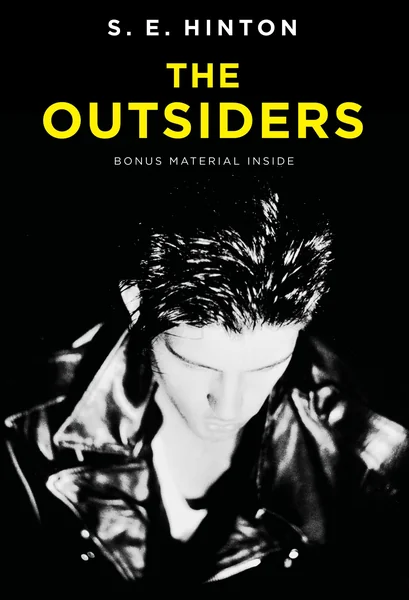
The Outsiders
by S. E. Hinton
LuvemBooks Verdict
Best for: Middle- and high-school readers — and adults revisiting their school years — who want a short, emotionally honest coming-of-age story about class, loyalty, and identity that still feels urgent decades after it was written.
Worth it? Skip it? Read the full verdict →Ask LuvemBooks
Was this helpful?
- Is it worth reading?
- For readers drawn to socially honest coming-of-age fiction, The Outsiders delivers a genuinely durable experience. Its most distinctive achievement, as LuvemBooks notes drawing on The Guardian and Chicago Tribune coverage, is its refusal to flatten characters into their social labels — Ponyboy is a greaser who reads books and earns good grades, while the Socs are revealed to carry their own fears and pressures, dismantling stereotypes on both sides. The BBC listed it among its 100 most influential novels in 2019, placing it in rare company across all of literature. The main caveat is for readers who want a wide-ranging cast: the novel's world is exclusively white and largely male-dominated, and its frank gang violence and strong language have kept it on challenged-book lists since publication.
- Similar books
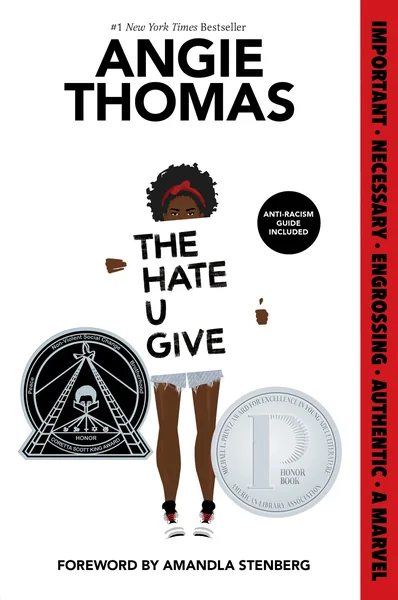
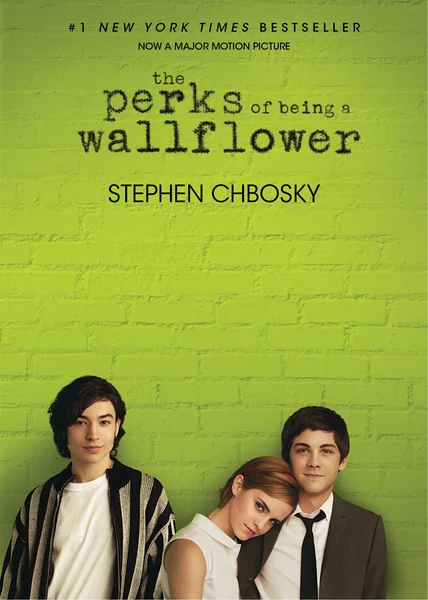
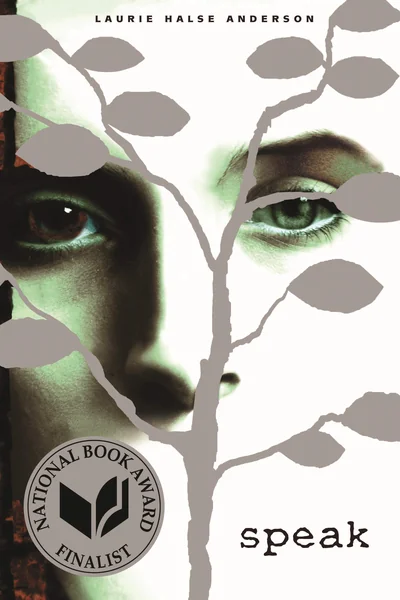
- Readers who responded to The Outsiders' socially honest, emotionally direct voice will find strong echoes in several titles curated alongside it. Angie Thomas's The Hate U Give updates Hinton's class-and-identity interrogation for the contemporary moment, centering a young Black woman navigating two worlds after witnessing police violence. Laurie Halse Anderson's Speak and Kathleen Glasgow's Girl in Pieces share The Outsiders' commitment to teenage interiority that adult literature had long ignored, while Stephen Chbosky's The Perks of Being a Wallflower channels a similar confessional first-person narrator finding belonging outside the mainstream. John Green's The Fault in Our Stars offers a different emotional register — grief and connection rather than gang conflict — but the same insistence that teenage experience deserves literary seriousness.
- Who should read this?
- The Outsiders is written for readers aged twelve and up, and it speaks most directly to anyone who has felt judged by their circumstances, loyalties, or appearance rather than their character — which is to say, most adolescents. It is a natural fit for students in middle and high school English classes, where it frequently appears on curriculum, and for adult readers who want to understand the foundations of the modern YA genre. Readers seeking a cast with broad racial or gender representation should note that the novel's world is exclusively white and largely male-dominated — a structural reality of the text as written that some contemporary readers will notice.
- What age is it for?
- Best for ages 12 and up. The Outsiders is part of many U.S. middle- and high-school curricula at that level, and its recommended reading age reflects the directness and emotional complexity with which it engages adolescent experience. The frank depictions of gang violence, underage smoking and drinking, strong language, and family dysfunction — the basis for its American Library Association challenged-book status — are worth bearing in mind for readers at the younger end of that range.
- About S. E. Hinton
- Susan Eloise Hinton is an American writer best known for her young-adult novels set in Oklahoma, especially The Outsiders (1967), which she wrote during high school.
- Tell me about the adaptations
- The Outsiders has had an exceptional cross-format life. Francis Ford Coppola adapted the novel into a celebrated 1983 film, bringing Hinton's greaser world to a wide mainstream audience. A stage musical premiered in San Diego in 2023 before transferring to Broadway in 2024, where it won a Tony Award — an extraordinary second act for a novel nearly sixty years old. As of 2025, a further film adaptation based on the musical was in development, extending the novel's cultural reach into a third distinct medium.
- What are the main themes?
- The novel's central preoccupation is the gap between social label and human reality — Ponyboy is a greaser who reads books and earns good grades, while the Socs are revealed to carry their own pressures and fears, dismantling stereotypes on both sides of the class divide. Loyalty, family, and the cost of belonging run through every plot beat: Ponyboy's household with brothers Darry and Sodapop is itself a study in how working-class families absorb loss and responsibility. The Guardian has observed that the novel 'reflects both the immediate and long-term fears that adolescents face' — family expectation, the need to belong, and the search for identity across class lines — and LuvemBooks' assessment confirms those themes have not aged.
Summarize this book
Follow up
Synthesized from verified book data & published reviews · How we review
Press Enter to ask. Answers come from our editorial Q&A — start typing to see related questions.
Age & Reading Level
Recommended age
Ages 12–18
Reading level
Young adult
4 content notes · who it suits
Content to know about
Best for: Ages 12 and up — reading level and emotional complexity suit confident middle-school and high-school readers; frank depictions of gang violence, underage drinking and smoking, and strong language make parental awareness advisable at the younger end of that range.
Skip if you want a story with a racially or gender-diverse cast, or prefer fiction free of gang conflict and strong language.
Books like The Outsiders
Curated picks for readers who enjoyed The Outsiders, with our reasoning for each match.
If you liked The Outsiders
Why It’s Trending
The Outsiders Is Still a Teen Reading Staple — And Readers Are Talking About It Again
The Outsiders is making the rounds again as libraries and teen reading programs are actively recommending it this fall. It's a perennial classic, but right now it's getting fresh attention as a go-to pick for young readers discovering it for the first time.