
8 min read
4.4
· 50,903 Amazon ratingsShare This Review
The Inheritance Games by Jennifer Lynn Barnes Review: A Gripping YA Mystery Thriller
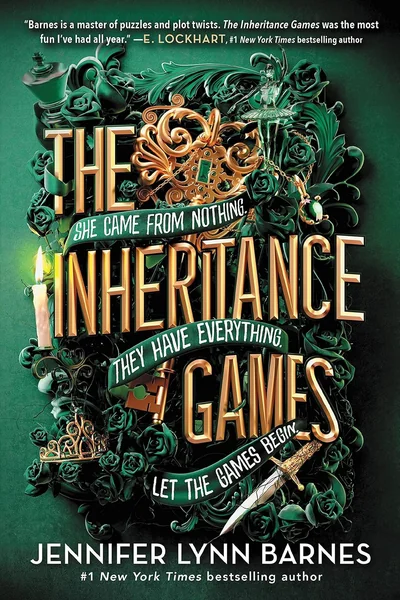
The Inheritance Games is a young adult mystery/thriller by Jennifer Lynn Barnes in which a teenage girl named Avery Kylie Grambs unexpectedly inherits a vast fortune from a billionaire she barely knows — and must unravel the secrets behind why. Published by Little, Brown Books for Young Readers, the novel has garnered widespread acclaim for its intricate plot and engaging characters, and it serves as the first entry in a series that has grown to span multiple sequels, companions, and a spinoff.
LuvemBooks Verdict
Best for
YA readers aged 12 and up who love puzzle-driven mysteries, high-stakes ensemble dynamics, and are happy to commit to a multi-book series rather than a single self-contained story.
Worth it if
You're drawn to intricately layered plots where every answer unlocks a new question, and you want a rich launchpad for a substantial series universe that explores wealth, class, and identity alongside its thriller mechanics.
Skip if
You prefer standalone mysteries that tie up all loose ends in one volume — this opening installment is deliberately engineered to open far more questions than it resolves, and the crowded ensemble of Hawthorne grandsons can feel underdeveloped before later books have room to breathe.
What readers & critics say
Wikipedia's reception entry notes the series "has garnered widespread acclaim for its intricate plot and engaging characters." The Hachette Book Group's own title page records that the book was named a Kirkus Reviews, Publishers Weekly, and New York Public Library Best YA Book of the Year, an Edgar Award nominee for Best Young Adult Mystery, and a New York Times bestseller.
Sources: Wikipedia – The Inheritance Games, Hachette Book GroupAsk LuvemBooks
Was this helpful?
- Is it worth reading?
- For YA readers who enjoy puzzle-driven mysteries and ensemble casts with layered dynamics, The Inheritance Games delivers an intricately constructed plot that sustains genuine narrative momentum across its entire length. Trade outlets and the Bulletin of the Center for Children's Books both reviewed the novel favorably, signaling strong professional reception beyond mere viral popularity. The key caveat is structural: as the opening volume of a multi-book series, it is built to generate questions rather than resolve them, so the payoff scales with willingness to commit to the longer series arc.
- Similar books
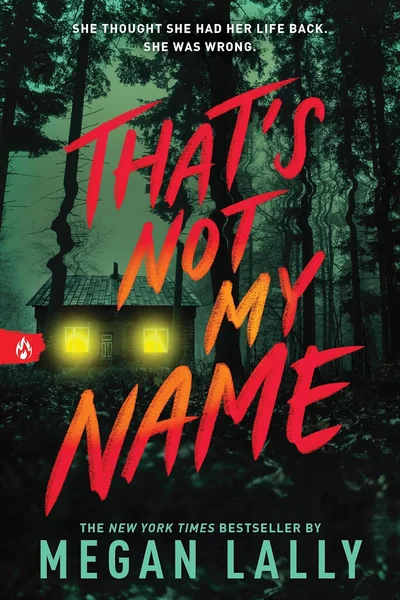
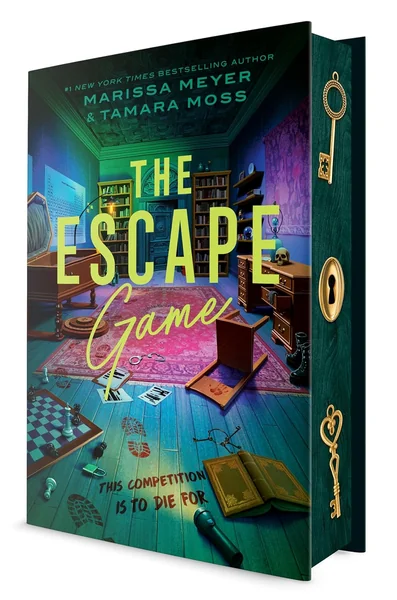
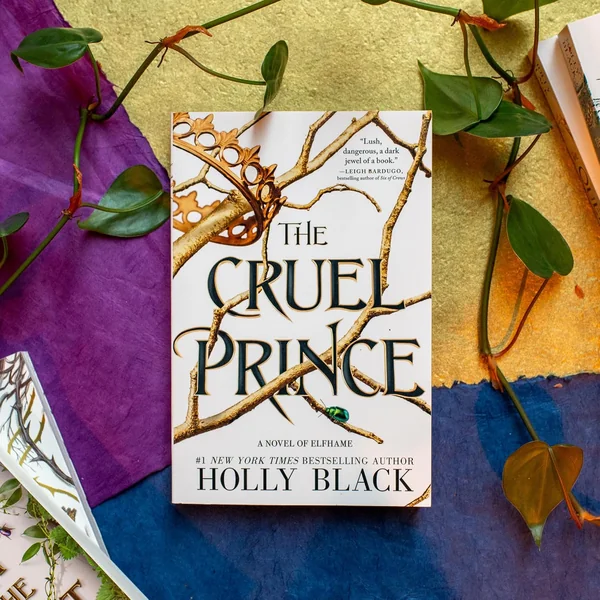
- Readers drawn to The Inheritance Games' blend of mystery, secrets, and unreliable appearances will find a natural companion in We Were Liars by E. Lockhart, another YA novel centered on a wealthy family's hidden truths. That's Not My Name by Megan Lally offers a similarly high-tension thriller atmosphere, while The Escape Game by Marissa Meyer and Tamara Moss shares the puzzle-room, high-stakes sensibility. For readers who enjoy the atmosphere of a grand, secretive estate with an ensemble of morally complex characters, The Cruel Prince by Holly Black or Miss Peregrine's Home for Peculiar Children by Ransom Riggs each deliver that Gothic-tinged world-building.
- Who should read this?
- The Inheritance Games is engineered for YA readers — particularly those who have graduated from lighter fare and want narrative complexity without the tonal heaviness of adult literary fiction. It is especially well-suited to readers who enjoy puzzles, high-stakes mystery, and ensemble casts with layered dynamics. Readers invested in themes of wealth, class, and identity will find those threads woven organically into the thriller mechanics, centering on Avery Grambs' outsider perspective as she navigates sudden extreme privilege she neither expected nor fully understands.
- What age is it for?
- Best for ages 12 and up. The publisher recommends the novel for readers aged 12 and up, targeting grades 7 and above — the thematic complexity around wealth, class, and identity suits that reading level, and the narrative demands of a layered, multi-strand mystery reward confident readers. Thriller elements, including suspenseful scenes involving attempted violence, are present but not graphically rendered.
- Is this part of a series?
- Yes — The Inheritance Games is the first of six books in a franchise published by Little, Brown Books for Young Readers. The main trilogy concludes with The Hawthorne Legacy (2021) and The Final Gambit (2022). The universe has since expanded with the companion The Brothers Hawthorne (2023), the short story and novella collection Games Untold: An Inheritance Games Collection (2024), and a spinoff series, The Grandest Game. The paperback edition labels the novel 'Book 1 of 6,' reflecting that sustained expansion.
- How well-crafted is the mystery?
- The mystery's construction is the novel's most praised quality. Barnes — who holds an academic background and previously published the YA mystery series The Naturals — brings a game-designer's sensibility to the plotting: each answer Avery uncovers about Tobias Hawthorne's motives generates a new question, and the Hawthorne grandsons themselves function as both obstacles and clues. The Bulletin of the Center for Children's Books reviewed the novel, marking it as a notable text at the professional library and educational level — a signal of craft that goes beyond commercial popularity.
- Is it appropriate for teens?
- Yes — The Inheritance Games is firmly aimed at the teen demographic, with the publisher targeting grades 7 and above (ages 12+). The thriller elements, including suspenseful scenes involving attempted violence, are present but not graphically rendered. The romantic dynamics among Avery and the Hawthorne grandsons are part of the story but not explicit, and the themes of wealth, class, and identity are handled in ways that feel organic to the plot rather than heavy-handed.
Summarize this book
Follow up
Synthesized from verified book data & published reviews · How we review
Press Enter to ask. Answers come from our editorial Q&A — start typing to see related questions.
Age & Reading Level
Recommended age
Ages 12–18
Reading level
Young adult
Content to know about
Best for: Ages 12 and up — thematic complexity around wealth, class, and identity, plus a layered multi-strand mystery, suit confident readers at the grades 7+ level.
Skip if you want a fully self-contained mystery with all loose ends resolved in a single book.
Our Review
The Premise: A Billion-Dollar Mystery with No Obvious Answers
Significance: The Start of a Major YA Series
Strengths: Puzzle Architecture and Propulsive Pacing
Themes: Wealth, Identity, and the Weight of Opportunity
Who It's For and Where It Falls Short
Sources & Further Reading
The key facts and claims in this review are grounded in the retrieved, verified sources listed below.
- Cited in this review
- 1
hachettebookgroup.com
- 2
- Further reading
- 3
en.wikipedia.org
- 4
- 5
- 6
- 7
- 8
noapologybookreviews.com
- 9
seriesousbookreviews.com
- 10
bookishcoffeeblog.com
Books like The Inheritance Games
Curated picks for readers who enjoyed The Inheritance Games, with our reasoning for each match.

If you liked The Inheritance Games

Why It’s Trending
Amazon TV Series Based on The Inheritance Games Is in the Works
The Inheritance Games is buzzing right now because an Amazon TV adaptation is on the way. Fans of the book series are rallying online, and new readers are jumping in to get ahead of the show.