
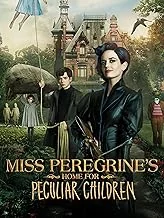
Miss Peregrine's Home for Peculiar Children
by Ransom Riggs
At a glance

Miss Peregrine's Home for Peculiar Children
by Ransom Riggs
LuvemBooks Verdict
Best for: YA readers drawn to atmosphere and formal novelty — particularly those who respond to eerie visual storytelling and are happy to let world-building and a genuinely original conceit carry the weight of the narrative.
Worth it? Skip it? Read the full verdict →Ask LuvemBooks
Was this helpful?
- Is it worth reading?
- For readers drawn to atmospheric, visually inventive YA fantasy, Miss Peregrine's Home for Peculiar Children offers a genuinely original formal conceit that has few close parallels in the genre — real vintage photographs, sourced from collectors, are embedded in the narrative and actively shape the story rather than serving as illustration. The pairing of eerie found photography with a time-frozen 1940s orphanage on an isolated Welsh island creates a distinctive unsettling texture that reviewers consistently credited as a standout quality. The caveat, as reflected in Guardian-hosted commentary, is that the plot execution can feel uneven relative to the strength of the central concept, and Jacob's characterisation under psychological strain has drawn criticism for lacking credibility. Readers who prioritise formal innovation and atmosphere over grounded character interiority will find the most to enjoy here.
- Similar books
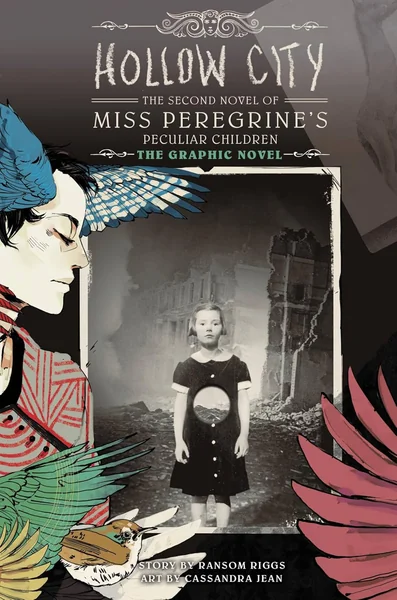
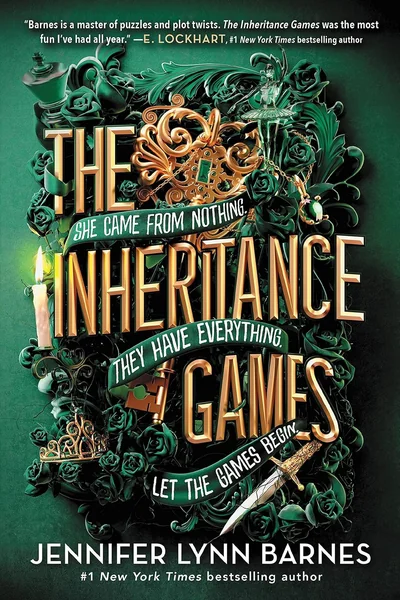
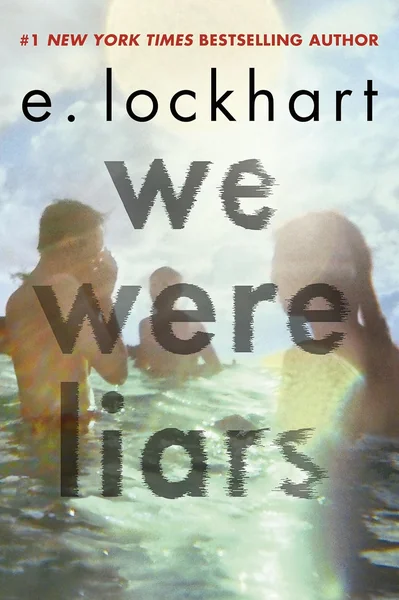
- Readers who enjoy the gothic atmosphere and YA fantasy blend of Miss Peregrine's Home for Peculiar Children might consider Ransom Riggs' own sequel, Hollow City, which continues Jacob's story beyond the time loop. Neil Gaiman's The Graveyard Book and Coraline share the book's tone of eerie, child-centred supernatural adventure with strong atmospheric construction. Stefan Bachmann's The Peculiar offers a similarly inventive take on children with hidden abilities in a fantastical Victorian world, and E. Lockhart's We Were Liars delivers the kind of twisting, psychologically layered YA storytelling that rewards readers who enjoy unreliable or complex narrative structures.
- Who should read this?
- Miss Peregrine's Home for Peculiar Children is most squarely aimed at YA readers who enjoy dark, atmospheric fantasy with a strong visual and formal dimension — the embedded vintage photographs and time-frozen orphanage setting are central pleasures, not incidental features. Readers who gravitated toward gothic or surrealist YA, or who enjoy premises grounded in a specific historical moment (here, 1940), will find particular resonance. It is less suited to readers who primarily want psychologically realistic protagonists, since Jacob's characterisation under duress has been a recurring point of criticism. Fans of Neil Gaiman's atmospheric children's fiction, or readers looking for a franchise entry point with genuine formal ambition, are among the best-fit audiences.
- What age is it for?
- Best for ages 12 and up. The novel involves a teenager witnessing his grandfather's violent death, sustained psychological strain on the protagonist, and supernatural horror antagonists — wights and hollowgasts — whose goal is to drain power from the peculiar children. The thematic and emotional weight of the story suits confident middle-grade readers transitioning into YA and above.
- Tell me about the adaptation
- A 2016 film adaptation of Miss Peregrine's Home for Peculiar Children was directed by Tim Burton, whose visual sensibility was widely considered a natural fit for the source material's gothic, surrealist aesthetic. The film brought the peculiars and the time-loop orphanage to the screen, though adaptations of photograph-driven fiction inevitably involve translating the book's distinctive embedded-image structure into a purely cinematic form. The novel's sustained franchise appeal — six books, a graphic novel by Cassandra Jean and Riggs, and the film — reflects the breadth of the property's reach across formats.
- About Ransom Riggs
- Ransom Riggs is an American writer and filmmaker best known for the book Miss Peregrine's Home for Peculiar Children.
- Where to start with Ransom Riggs
- Miss Peregrine's Home for Peculiar Children is the clear entry point — it is Riggs' debut, the book that established the world and its formal conceit, and the one that spent 45 weeks on the New York Times bestseller list including a stretch at No. 1 on the Children's Chapter Books list. The direct sequel, Hollow City, has been reviewed by LuvemBooks and is the natural next step for readers who want to follow Jacob's story beyond the time loop on Cairnholm.
Summarize this book
Follow up
Synthesized from verified book data & published reviews · How we review
Press Enter to ask. Answers come from our editorial Q&A — start typing to see related questions.
Age & Reading Level
Recommended age
Ages 12–18
Reading level
Young adult
2 content notes · who it suits
Content to know about
Best for: Ages 12+ — the story involves a grandfather's violent death, sustained psychological strain on a teenage protagonist, and horror antagonists; thematic and emotional weight suits confident readers 12 and above.
Skip if you want a psychologically realistic, interiority-driven YA protagonist — Jacob's characterisation under duress has drawn sustained criticism for lacking credibility.
Editorial Review
Ransom Riggs' 2011 debut novel blends found vintage photography with young adult contemporary fantasy to tell the story of Jacob Portman, a teenager drawn to a mysterious Welsh island after his grandfather's cryptic dying words — a structurally original premise that earned the book a place on the New York Times bestseller list and launched a six-book series.
Read the Full ReviewBooks like Miss Peregrine's Home for Peculiar Children
Curated picks for readers who enjoyed Miss Peregrine's Home for Peculiar Children, with our reasoning for each match.
If you liked Miss Peregrine's Home for Peculiar Children
Why It’s Trending
Miss Peregrine's Is Having a Moment on BookTok Right Now
Ransom Riggs' beloved 2011 YA fantasy is circulating again on TikTok's book community, with fans revisiting the creepy vintage photo-driven story. If you missed it the first time — or just want an excuse to reread — now's a great time to pick it up.