BOOKS
Published

Read Time

4 min read

Reader rating

4.3

· 81,855 Amazon ratings
reader ratings, not a LuvemBooks score
Curated & edited by

LuvemBooks Editorial

How we create our reviews →
Share This Review

That's Not My Name by Megan Lally Review: A Gripping Debut YA Thriller

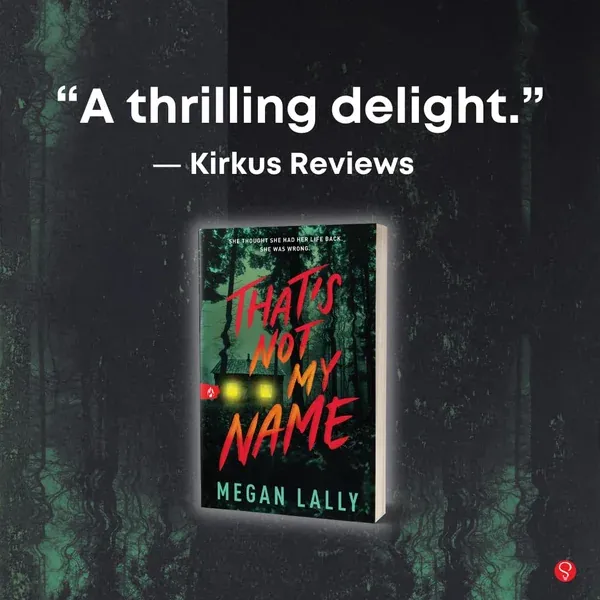
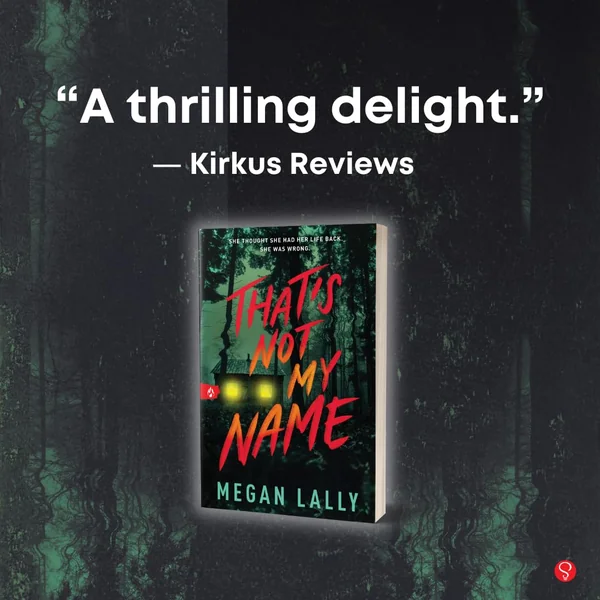
Megan Lally's debut YA thriller That's Not My Name, published by Sourcebooks Fire on December 26, 2023, delivers two interlocking storylines — a teenage girl with amnesia trying to determine whether the man claiming to be her father is telling the truth, and a boy racing to clear his name in his girlfriend's disappearance — that Kirkus Reviews calls "a thrilling delight right up to the unexpected and bittersweet conclusion."

LuvemBooks Verdict

Best for

Readers aged 14–18 who crave psychological tension and questions of identity and memory, and who want a YA thriller that earns its emotional weight through two fully developed perspectives rather than a tidy resolution.

Worth it if

You're drawn to dual-narrative mysteries where the central question is not just what happened but who can be trusted — and you can ride with genre conventions around police procedure in exchange for genuine suspense and a bittersweet payoff.

Skip if

Readers who scrutinize procedural realism closely, or who tend to piece together dual-narrative connections early and find predictability a dealbreaker, may hit friction points that pull them out of an otherwise tightly wound story.

Kirkus Reviews called it "a gripping tribute to resilience" and "a thrilling delight right up to the unexpected and bittersweet conclusion," noting that the two immersive storylines bring both main characters' trials to life with equal emotional grounding. Reader review sites including teatimelit.com and megsbookrack.com placed it among the strongest YA thrillers in recent memory, with teatimelit.com describing it as "one of the best — if not the best — YA thrillers I have ever read."

A gripping tribute to resilience… the two immersive storylines bring to life the trials and frustrations each main character faces.

Kirkus Reviews
Sources: Kirkus Reviews, teatimelit.com, megsbookrack.com, howdidthatbookend.com
4.3from 81,855 Amazon ratings— reader ratings, not a LuvemBooks score
In This Review
  • What Works & What Doesn't
  • What the Book Is and What It Sets in Motion

  • Significance and Place in the YA Thriller Landscape
  • Structural Strengths: The Dual-Narrative Design
  • Genuine Limitations: Predictability and Plot Mechanics
  • Who This Book Is For

What Works & What Doesn't

What Works
  • Kirkus Reviews called it 'a gripping tribute to resilience' and 'a thrilling delight right up to the unexpected and bittersweet conclusion'
  • Two fully realized, alternating storylines give both Mary's and Drew's perspectives equal emotional weight
  • Strong pre-publication endorsements from established YA thriller authors, including April Henry and Jessie Weaver
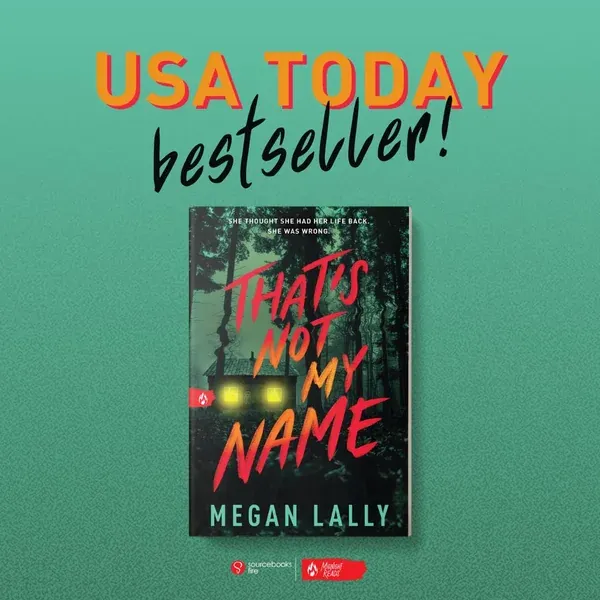
  • Went on to make Lally a New York Times and USA Today bestselling debut author
  • The bittersweet, unexpected conclusion resists formula and delivers genuine emotional resonance
What Doesn't
  • Some readers have noted the plot can feel predictable, particularly for those who piece together the dual-narrative connection early
  • Reader feedback flags concerns about unrealistic police behavior and plot holes that may disrupt suspension of disbelief for procedurally minded readers
Lally's debut is a confidently constructed dual-narrative thriller that earns its pulse-pounding subtitle with two genuinely distinct mysteries converging toward a bittersweet payoff.

What the Book Is and What It Sets in Motion

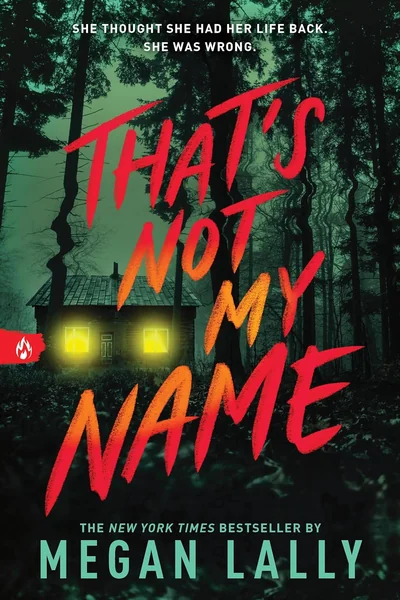
Promotional graphic with white and red text on dark background warning of deception and false security.
That's Not My Name opens with a disorienting premise: a 17-year-old girl wakes up in a ditch in Alton, Oregon, with no memory of who she is or how she got there. When a man named Wayne Boone arrives at the police station with photos on his phone and a high school ID card bearing the name "Mary Boone," the authorities release her into his custody. The novel's central dread is methodical: as Mary's memories begin fragmenting back, they refuse to match Wayne's version of her life — he does not know about her food allergy, and his stories don't hold up under scrutiny. Across the Willamette River in Washington City, a boy named Drew is living a different kind of nightmare. His girlfriend, Lola, has vanished, and Drew was the last person to see her. With the sheriff treating him as a suspect, Drew turns to an unlikely partner in the search: Autumn, Lola's best friend and, notably, the sheriff's own daughter. The two storylines drive toward a single collision, with the question of Lola's whereabouts threading them together.
a designation that speaks to the book's ambitions beyond pure genre mechanics. Author Jessie Weaver praised Lally's technique directly, writing that

Significance and Place in the YA Thriller Landscape

This is Lally's debut novel, and it announced her arrival with notable force. The book went on to make Lally a New York Times and USA Today bestselling author. Kirkus Reviews, in a review published ahead of the December release, described the novel as "a gripping tribute to resilience," a designation that speaks to the book's ambitions beyond pure genre mechanics. Author Jessie Weaver praised Lally's technique directly, writing that "with her masterful use of carefully-placed details to build suspense, Lally asks: just because something is obvious, does that make it true?" — a question that captures the novel's core preoccupation with perception, evidence, and who gets believed. April Henry, a New York Times bestselling author, called it "tense, heart-wrenching, and addictive," adding that it is "an exciting first entry for an author we should all be watching." For a debut to collect this caliber of pre-publication endorsement signals real momentum in the competitive YA thriller space.
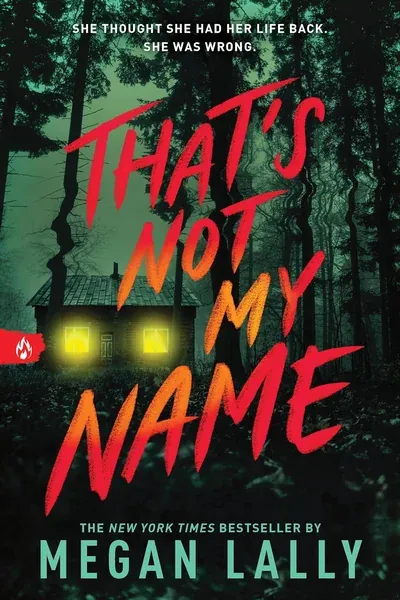
Front cover featuring the title in red and yellow text with a car's headlights, against a dark textured background.

Structural Strengths: The Dual-Narrative Design

The novel's most discussed structural choice is its commitment to two fully realized, alternating storylines. Rather than using a secondary perspective as a framing device, Lally builds Drew's thread — his isolation, the community's suspicion, his fragile alliance with Autumn — with the same investment she brings to Mary's claustrophobic situation with Wayne. Kirkus noted that "the two immersive storylines bring to life the trials and frustrations each main character faces," suggesting the dual structure succeeds in keeping both threads emotionally grounded rather than treating one as scaffolding for the other. The novel also incorporates some representation in its cast: one of Drew's adoptive dads is Guatemalan, a detail Kirkus flags in its character notes.

Genuine Limitations: Predictability and Plot Mechanics

No thriller debut is without rough edges, and some readers have noted that the plot's trajectory can feel predictable in places — a risk inherent to dual-narrative mysteries where attentive readers may piece together the connection between the two storylines before the characters do. Reader feedback has also cited concerns about unrealistic police behavior and occasional plot holes as friction points. These criticisms are worth naming plainly: the book's central tension depends on law enforcement making decisions that strain credibility, and readers who scrutinize procedural plausibility may find those moments pull them out of an otherwise tightly wound narrative. For readers who prioritize airtight plotting over emotional propulsion, these mechanics may register as flaws rather than genre conventions.

Who This Book Is For

That's Not My Name is aimed at readers aged 14 to 18 and is designed to work for those who want psychological tension, questions of identity and memory, and a thriller structure that does not resolve neatly into a tidy happy ending. The bittersweet conclusion Kirkus references suggests Lally resists the easy wrap-up, which will satisfy readers who want their genre fiction to carry some emotional weight. Readers who enjoy YA thrillers built around unreliable circumstances — where the question is not just what happened but who can be trusted — will find the novel's design well-suited to that appetite. For libraries and educators working with grades 9 through 12, the book's themes of resilience, identity without memory, and the insidious nature of control exercised through apparent care give it conversational depth beyond the plot mechanics alone.

Sources & Further Reading

The key facts and claims in this review are grounded in the retrieved, verified sources listed below.

  1. Cited in this review
  2. 1
  3. 2
  4. 3
  5. Further reading
  6. 4
  7. 5
  8. 6