Mindhunter: Inside the FBI's Elite Serial Crime Unit by John Douglas Review: A Profiler's Insider Memoir
by John Douglas, Mark Olshaker
John Douglas's memoir, written with Mark Olshaker, recounts his twenty-five years in the FBI's Investigative Support Unit and the serial-killer interviews behind criminal-personality profiling. It inspired the Netflix series, though it omits researcher Ann Burgess.
Readers who want a first-person, insider account of how criminal profiling began at the FBI, especially fans of the Netflix series who want Douglas's own telling of the case work and the unit's early days.
Worth it if
Worth reading if you want the interviews, case work and reasoning behind early profiles told in the voice of the man who did the work, and you can accept a memoir's self-flattering vantage point.
Skip if
Skip it if you want an independent, scholarly evaluation of whether profiling works or a balanced history of the field, or if graphic accounts of murder across 448 pages will wear on you.
What readers & critics say
The retrieved reception is mostly enthusiastic but thin: rellimzone.com calls it a must-read for anyone interested in law enforcement and the FBI, and an Apple Books reader praises Douglas's storytelling about the unit's formation. A blog reviewer at hobbleit.wordpress.com, who doesn't usually read true crime, rates it 3/5 and suggests readers come for the cases rather than the personal details, while Wikipedia records the omission of Ann Burgess as a specific critique.
Mindhunter is John Douglas's first-person account, written with Mark Olshaker, of how interviewing imprisoned killers shaped FBI criminal-personality profiling. It is the natural starting point for anyone curious about the origins of behavioral analysis, and the original source for the Netflix series. Treat it as an insider's war story rather than an independent assessment of whether profiling works, and expect graphic material across a long read.
Is it worth reading?
It delivers what it promises: the reasoning behind early profiles, told in the voice of the man who did the work. The caveat is the vantage point. Douglas is the hero of his own story, so the book does not test whether profiling is effective, and it leaves out Ann Burgess, the researcher who helped give the method a scientific footing. Read it as an influential primary source, not a neutral history.
Similar books
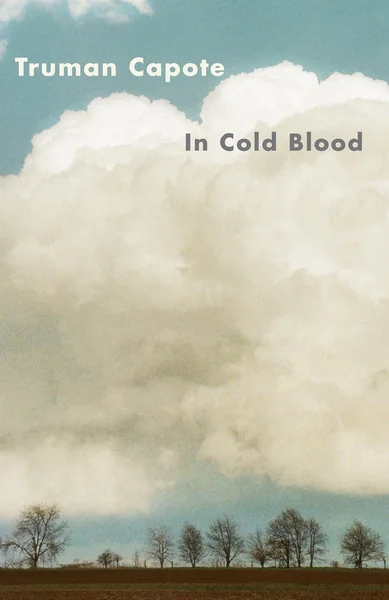
The closest companions are the unit's own sequels and sister memoirs: Douglas and Olshaker's The Cases That Haunt Us, and Whoever Fights Monsters by Robert K. Ressler and Tom Shachtman, written by another Behavioral Science Unit veteran. For classic narrative true crime, Truman Capote's In Cold Blood and Dave Cullen's Columbine take a more reported, less insider-memoir approach. David Grann's Killers of the Flower Moon is the stronger pick if you want investigative history over case files. Michelle McNamara's I'll Be Gone in the Dark suits readers who like the hunt-for-a-killer angle.
Who should read this?
It suits readers who want the view from inside the unit: the interviews, the case work and how early profiles were reasoned out. Fans of the Netflix series who want Douglas's own telling are the obvious audience. It is less suited to readers seeking a scholarly evaluation of profiling or a balanced history of the field.
Tell me about the adaptation
The Netflix series Mindhunter (2017 to 2019) drew heavily on this book, and the Gallery paperback reviewed here is a media tie-in edition issued in October 2017 to coincide with the show. Reviewers describe the book as the less stylized source, Douglas's own account of how the unit took shape.
How graphic is it?
The subject is murder, and the publisher's own copy promises chilling detail, so expect frank accounts of violent crimes and the offenders' reasoning. It is nonfiction case material, not sensationalized fiction, but it is not light reading across 448 pages. Readers sensitive to detailed descriptions of killings may want to sample a chapter first.
Is it a balanced account of profiling?
No, and it does not claim to be. It is a memoir told by its own subject, so it is not an independent evaluation of profiling's effectiveness. The omission of Ann Burgess, who helped build the method's scientific foundation, is the specific gap critics point to. Pair it with other sources if you want a fuller history.
Summarize this book
Is it worth reading?
Who should read this?
Tell me about the adaptation
How graphic is it?
Is it a balanced account of profiling?
Summarize this book
First published in 1995, the book traces Douglas's twenty-five years in the FBI's Investigative Support Unit. Its core method is simple: sit across from convicted offenders, get them to explain their crimes, then work backward from a crime scene to the kind of person responsible. Along the way it covers cases including Edmund Kemper, Robert Hansen, Larry Gene Bell, David Carpenter and the Atlanta child killer.
Follow up
Does it go beyond recounting old cases?
Do I need background on profiling first?
Synthesized from verified book data & published reviews · How we review
Ask LuvemBooks
What would you like to know about Mindhunter?
Answers come from our editorial notes on this book. If we haven't covered something, we'll say so.
Readers often ask
Our Review
We review the evidence: published critics, reader verdicts and BookTube reviews, gathered and weighed with AI assistance and edited by LuvemBooks, rather than one reader's first-hand take.
John Douglas's memoir of his FBI career is the foundational text of criminal profiling as popular culture, and it reads best as a first-person war story rather than a rigorous study of the method.
What the Book Is
Mindhunter: Inside the FBI's Elite Serial Crime Unit is a non-fiction crime book first published in 1995, written by retired FBI agent John E. Douglas with co-author Mark Olshaker. It chronicles Douglas's twenty-five-year career in the FBI's Investigative Support Unit, where he used what he called criminal-personality profiling to analyze serial killers and mass murderers.
The profiling approach was developed over decades of interviews with known killers. Rather than theorizing from a distance, Douglas sat across from offenders and asked them to explain their crimes, then used those conversations to work backward from crime scenes to the type of person likely responsible.
The Cases and Subjects
The book includes profiles of the Atlanta child killer, David Carpenter, Edmund Kemper, Robert Hansen and Larry Gene Bell. It also suggests proactive steps for luring culprits into contacting the police, which gives the material a practical, investigative edge beyond pure recounting.
Simon & Schuster's description adds that Douglas has also confronted and studied figures such as Charles Manson, Ted Bundy and Ed Gein, and that he served as the model for Jack Crawford in The Silence of the Lambs. That publisher copy is marketing, so treat it as a statement of what the book promises rather than proof of its quality.
Significance and Afterlife
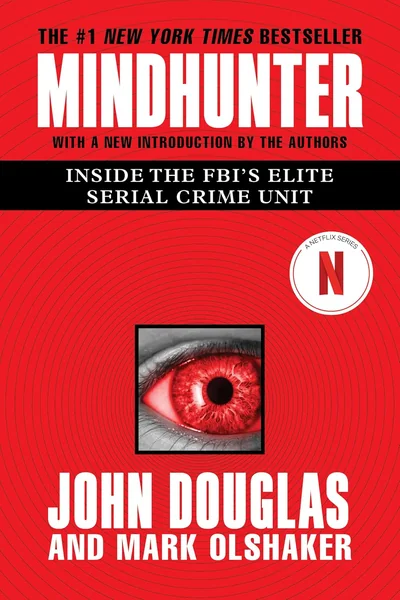
The book's influence runs well beyond its own pages. Some reviewers note that the Netflix series Mindhunter (2017–2019) drew heavily on it, and this paperback is a media tie-in edition from Gallery some reviewers, issued in October 2017 to coincide with the show.
Back cover with synopsis, author bios, and review quotes on red background with fingerprint motif.
That lineage matters for how the book is read today. Many readers arrive from the series, and the book is the less stylized source: Douglas's own account, in his own voice, of how the unit took shape.
Limitations and Who It Frustrates
One specific critique is recorded in Wikipedia's summary: the book omits the work of Ann Burgess, a psychiatric nurse and researcher who helped build a scientific foundation for profiling alongside Douglas. Her contributions deserve recognition in any discussion of how the field developed, so readers wanting a balanced history should look beyond this memoir.
The book is also a memoir, which means the narrator is the hero of his own story. Anyone seeking an independent evaluation of how well profiling works, or a scholarly treatment of the science, will find an insider's account instead.
Who It Is For
This is a true-crime book aimed at readers who want the view from inside the unit: the interviews, the case work, and the reasoning behind early profiles. It is a long read at 448 pages in this edition, and the subject matter is graphic by nature, since the cases involve murder and the publisher's own copy promises "chilling detail."
This review is based on published sources and the book's described contents, not hands-on use, so it can speak to what the book covers and who it suits rather than how the profiling advice performs in practice. For fans of the Netflix series and readers curious about the origins of behavioral analysis, it is the natural starting point.
Sources & Further Reading
The key facts and claims in this review are grounded in the retrieved, verified sources listed below.
Olshaker explains that after he produced a PBS Nova documentary on FBI profilers, John Douglas contacted him upon retiring to ask if his story had commercial potential. This collaboration led to the proposal and publication of the bestselling book Mindhunter.
Why real FBI profiling interviews weren't recorded
Olshaker reveals that unlike the television adaptation, profilers did not tape-record conversations with prison inmates because prisoners were too paranoid about being monitored. Instead, investigators conducted the interviews and immediately completed detailed questionnaires and profiling forms from memory afterward.
From our readers
Reader reviews
Be one of the first readers to answer.
Read it? Was it right for you?
Books like Mindhunter
Curated picks for readers who enjoyed Mindhunter, with our reasoning for each match.