8 min read
4.4
· 82,709 Amazon ratings, as of Oct 2026Share This Review
Our review
Killers of the Flower Moon
Killers of the Flower Moon: The Osage Murders and the Birth of the FBI by David Grann Review: A Haunting True-Crime Masterwork
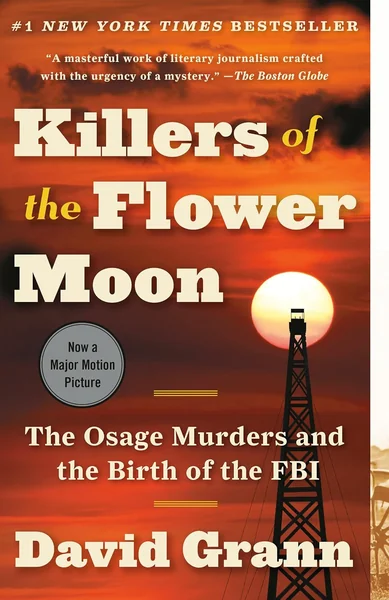
Killers of the Flower Moon: The Osage Murders and the Birth of the FBI is a 2017 nonfiction book by New Yorker staff writer David Grann, reconstructing the systematic murder of wealthy Osage Nation members in 1920s Oklahoma and the fledgling FBI's investigation that exposed the conspiracy. New York Times critic Dave Eggers called it "riveting," and Time named it one of its top ten nonfiction books of 2017.
LuvemBooks Verdict
Best for
Readers drawn to narrative nonfiction that fuses true crime with suppressed American history — particularly those interested in Indigenous rights, systemic injustice, and how institutions both built and betrayed public trust.
Worth it if
Worth reading if you want a meticulously researched account of a historical atrocity that connects racial terror in 1920s Oklahoma to enduring questions about U.S.–Indigenous relations and institutional accountability.
Skip if
Skip it if you find sustained engagement with racial violence, institutional complicity, and unresolved injustice emotionally prohibitive — most reviews that discuss it are unambiguous that the subject matter is harrowing throughout.
What readers & critics say
Kirkus Reviews awarded it a starred "Get It" verdict, calling it "a gripping account of pitiless evil" driven by "dogged original research and superb narrative skills," and named it one of the Best Books of 2017; the National Book Organization described it as "a masterpiece of narrative nonfiction" built on "years of research and startling new evidence."
“Dogged original research and superb narrative skills come together in this gripping account of pitiless evil.”
— Kirkus ReviewsAsk LuvemBooks
Was this helpful?
- Is it worth reading?
- For readers who can engage with harrowing subject matter, the critical consensus at publication was clear: Time placed it among its top ten nonfiction books of 2017, and critics described it as illuminating a conspiracy that runs far deeper than the official record — calling it a story that will "sear your soul." What distinguishes the book is not just its narrative drive but its historical excavation: Grann surfaces a chapter of American history that had been largely absent from mainstream memory and connects it to enduring questions about U.S.–Indigenous relations and institutional accountability. The key caveat is stamina — the subject matter demands sustained emotional engagement, and the book's most unsettling revelations come at the end, not the beginning.
- Similar books
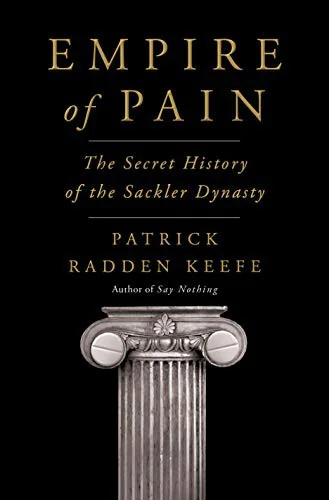
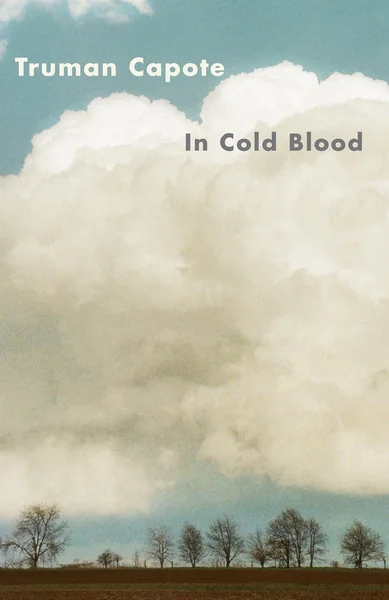
- Readers drawn to Killers of the Flower Moon typically gravitate toward narrative nonfiction that pairs meticulous research with morally weighty subject matter. Patrick Radden Keefe's Empire of Pain: The Secret History of the Sackler Dynasty applies a similar investigative lens to dynastic greed and institutional complicity in a more recent era. Truman Capote's In Cold Blood remains the genre's foundational text — a true-crime reconstruction that, like Grann's work, asks what violence reveals about the society that produced it. Erik Larson's Devil in the White City and John Berendt's Midnight in the Garden of Good and Evil round out the shelf for readers who want narrative nonfiction that moves with the pace of fiction.
- Who should read this?
- This book is built for readers who want narrative nonfiction with genuine investigative depth — specifically those with an interest in Indigenous rights, systemic injustice, and how American institutions have both pursued and evaded accountability. It will resonate most strongly with readers who are willing to sit with moral complexity and unresolved injustice: Grann does not deliver a tidy resolution, and his final section actively dismantles the idea that the official verdict closed the case. Readers who prefer true crime with clear heroes and satisfying closures may find the book's implications more disturbing than satisfying — though critics note it is stocked with authentic heroes and villains even as the systemic picture remains grim.
- About David Grann
- David Elliot Grann is an American journalist, a staff writer for The New Yorker, and author.
- What's the historical background?
- The Osage Reign of Terror unfolded in Osage County, Oklahoma, in the early 1920s, at a moment when the Osage Nation controlled headrights to oil deposits beneath their land — making them, per capita, among the wealthiest people in the world. That wealth attracted a conspiracy designed to eliminate Osage inheritors and transfer their assets to white conspirators, operating with the knowledge or indifference of local authorities. Grann frames this not as an isolated criminal episode but as an expression of what he describes as the broader "culture of killing" that has characterized the history of U.S.–Indigenous relations — patterns of paternalism, greed, and hypocrisy that the book argues persist in the present.
- Tell me about the adaptation
- Martin Scorsese directed a film adaptation of Killers of the Flower Moon, released in October 2023, which brought the story to a significantly wider audience and renewed interest in Grann's original account. The film's release prompted many readers to return to the book for the fuller investigative context — particularly Grann's final section, which expands the scope of the conspiracy well beyond what any single film could accommodate.
Summarize this book
Follow up
Synthesized from verified book data & published reviews · How we review
What would you like to know about Killers of the Flower Moon?
Answers come from our editorial notes on this book. If we haven't covered something, we'll say so.
Readers often ask
Our Review
What the Book Investigates
The Book's Place in American History Writing
Strengths the Critics Identified

Who the Book Challenges and Why
The Film Adaptation and Lasting Reach
Sources & Further Reading
The key facts and claims in this review are grounded in the retrieved, verified sources listed below.
- Cited in this review
- 1
en.wikipedia.org
- 2
scholarship.law.duke.edu
- 3
- Further reading
- 4
David Grann, LuvemBooks
- 5
- 6
- 7
davidgrann.com
- 8
- 9
- 10
imlovingbooks.com
- 11
hooksbookswanderlust.com
Age & Reading Level
Recommended age
Adult
3 content notes · who it suits
Content to know about
Best for: Adults — the book deals unflinchingly with racial terror, systematic murder, and institutional failure across its full length.
Skip if You find sustained engagement with racial violence, institutional complicity, and unresolved injustice emotionally prohibitive.
Reader reviews
Be one of the first readers to answer.
Read it? Was it right for you?
Books like Killers of the Flower Moon
Curated picks for readers who enjoyed Killers of the Flower Moon, with our reasoning for each match.
If you liked Killers of the Flower Moon