Skip to content
Reviewed

Read Time

8 min read

Our age bandAdult
Reader rating
4.4 · 88,486 Amazon ratings, as of Nov 2026
reader ratings, not a LuvemBooks score
Curated & edited by

LuvemBooks Editorial

How we create our reviews →
Share This Review
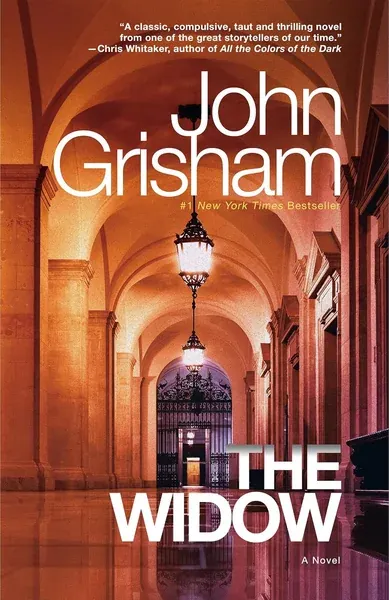
The Widow: A Novel by John Grisham front cover

Our review

The Widow

The Widow by John Grisham Review: Grisham's First True Whodunit

John Grisham shifts from courtroom drama to a character-driven whodunit in his latest novel. The story follows a small-time lawyer accused of murder who must find the real killer to clear his name. Reviewers praise his legal expertise and moral ambiguity, though some find the pacing and ending too open.

Our age band: Adultmoral ambiguity · gambling addiction

LuvemBooks Verdict

Best for

A morally grey protagonist and a leisurely setup that rewards patience and appeals to dedicated fans of John Grisham's legal thrillers.

Worth it if

Worth reading if you enjoy slow-burn mysteries that prioritize psychological depth and courtroom tension over rapid-fire plot mechanics.

Skip if

Skip it if you expect a tightly wound, conventional mystery with a definitive resolution, as the pacing drags early on and the ending leaves some plot threads directionless.

Where reviewers agree and split

Readers rate it 4.4 on Amazon. The reviews we read that discuss it in depth split on some points:

  • Positive

    Kirkus Reviews · Press review: handles legal complexities with finesse and poignant character work

  • Mixed

    debbish.com · Book blog: engaging pacing and character work undermined by a random, directionless ending

  • Positive

    therealbookspy.com · Book blog: gripping whodunit with satisfying twists showing Grisham mastering new genre

  • Positive

    jenryland.com · Book blog: leisurely, compelling storytelling with morally complex characters

Of the 3 reviews we read that discuss its pacing, 2 praise the pacing, but 1 notes the early chapters drag.

  • Pacing

    2 praise the pacing · 1 notes the early chapters drag

Pacing

Praise

“Grisham does a good job at pacing the novel so the wait for Simon’s day(s) in court isn’t laborious”

— debbish.com · Book blog
Praise

“Leisurely pace that highlights Grisham’s storytelling abilities”

— jenryland.com · Book blog
Criticism

“It’s a bit of a slow burn, to be sure, as Grisham sets up his plot”

— therealbookspy.com · Book blog
Overall verdicts are our summary of each review we read, from its headline, rating and conclusion. Topic counts use only words we can quote (3 reviews: 3 book blogs).

Kirkus Reviews praises Grisham's professional finesse in handling legal complexities alongside a poignant character portrait, while The Real Book Spy highlights the novel as a gripping whodunit that proves his genre versatility. Debbish appreciates the steady pacing and trial tension but notes the ending veers into a directionless, left-field conclusion that lacks closure.

“handles the legal complexities of the case with professional finesse”

— Kirkus Reviews
Sources: Kirkus Reviews, The Real Book Spy, Debbish
4.4from 88,486 Amazon ratings, as of Nov 2026— reader ratings, not a LuvemBooks score

Ask LuvemBooks

Was this helpful?

The Widow follows a struggling small-time lawyer who becomes the prime suspect in an elderly client’s poisoning after he manages her hidden fortune. Grisham successfully pivots to a character-driven whodunit, trading courtroom heroics for a claustrophobic, morally grey investigation. It is best suited for those who appreciate his psychological depth, though casual readers expecting a fast-paced, conventional thriller may find the leisurely setup and ambiguous resolution frustrating.
Is it worth reading?
Yes, for readers who enjoy slow-burn mysteries that prioritize psychological depth and character unraveling over rapid-fire plot mechanics. Jen from Jenryland.com found the protagonist morally ambiguous, a character she initially disliked but came to feel more empathy for. However, those expecting a definitive resolution may find the leisurely setup and directionless ending frustrating.
Similar books
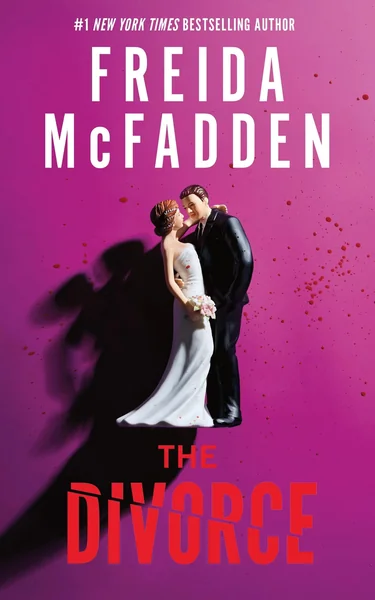
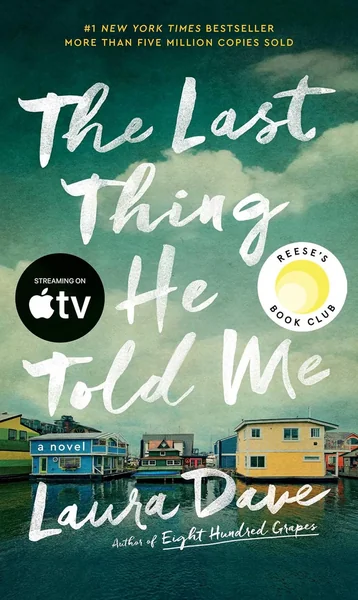
Readers who enjoy this character-driven pivot will likely appreciate The Silent Patient by Alex Michaelides, which features a similar claustrophobic psychological mystery, or The Wife Before by Shanora Williams for its focus on hidden domestic secrets. The Divorce by Freida McFadden and The Last Thing He Told Me by Laura Dave also deliver gripping, twist-heavy domestic suspense that appeals to fans of this narrative style.
Who should read this?
This novel is best for dedicated John Grisham fans who appreciate his signature legal maneuvering and are comfortable with a morally grey protagonist. It also suits readers who prefer legal suspense that prioritizes internal conflict over traditional courtroom theatrics.
What are the main themes?
The novel explores the fragility of trust and the hidden dimensions of human relationships through the lens of a desperate man navigating a legal predicament. It heavily features themes of moral compromise, as Simon's choices shift into genuine emotional investment. The story also examines the intersection of courtroom strategy and the psychological toll of circumstantial accusation.
How does the pacing work in this novel?
The book employs a deliberate slow-burn structure that establishes the plot and character dynamics before picking up speed. Reviewers note that this pacing allows Grisham to fully develop Simon's internal conflicts and moral compromises. Once the narrative gains momentum, it accelerates, though the design maintains focus on the investigation rather than litigation.
What do critics say about the ending?
A clear tension exists regarding the resolution. Deb from debbish.com found the final direction left-field and lacking closure, questioning if it conveyed a message about the randomness of fate. Conversely, The Real Book Spy argues that the twists deliver a sharp, twist-packed whodunit, delivering gripping suspense to the final page.
Summarize this book

Summarize this book

Simon Latch is a struggling rural Virginia lawyer whose life unravels when he takes on the estate of Eleanor Barnett, an eighty-five-year-old client. After she is poisoned and he is arrested for her murder, Simon must use his legal knowledge to navigate a collapsing personal life and prove his innocence to a skeptical system. The narrative relies on his internal monologue to maintain suspense as he searches for the true killer among her estranged stepsons and associates.

Follow up

How is Simon portrayed?
What is the narrative perspective?

Synthesized from verified book data & published reviews · How we review

Ask LuvemBooks

What would you like to know about The Widow?

Answers come from our editorial notes on this book. If we haven't covered something, we'll say so.

Readers often ask

Our Review

We review the evidence: published critics, reader verdicts and BookTube reviews, gathered and weighed with AI assistance and edited by LuvemBooks, rather than one reader's first-hand take.

John Grisham shifts from courtroom drama to a character-driven whodunit in his latest novel, though the leisurely pace and ambiguous resolution will test readers accustomed to his signature legal thrillers.
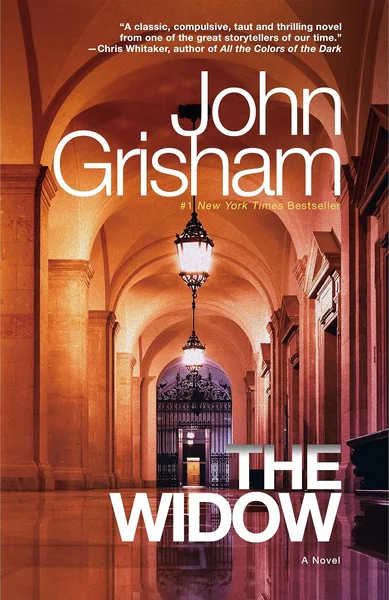
The Widow: A Novel by John Grisham front cover

What Happens in The Widow

Simon Latch is a struggling small-time lawyer in rural Virginia whose marriage is crumbling and whose gambling habits are mounting. When eighty-five-year-old Eleanor Barnett visits his office to draft a new will, Simon initially expects a standard fee.
He soon learns she possesses a hidden fortune from her late husband, which prompts him to quietly manage her estate and secure a substantial financial future for himself. As Simon befriends Eleanor and takes on power of attorney, her sudden hospitalization following a car accident triggers a medical crisis.
Because Simon serves as the novel's narrator, readers know his innocence from the outset, turning the narrative into a race to find the actual perpetrator before his circumstantial evidence seals his fate. Simon must navigate a collapsing personal life while simultaneously trying to prove his innocence to a skeptical legal system.
The narrative relies on his internal monologue to maintain suspense while he searches for the true killer among Eleanor's estranged stepsons and other associates. His moral compromises and desperate measures complicate the reader's perception of his character.

A Departure for Grisham

Ryan Steck of The Real Book Spy identifies this release as the author's first true whodunit, marking a deliberate pivot away from his established legal thriller formula. The Real Book Spy notes that Grisham trades his familiar high-stakes courtroom heroics for a more claustrophobic, character-driven narrative.
The Real Book Spy observes that this shift requires Simon to rapidly learn how to think like a detective, lacking any formal training in deduction. Jen from Jenryland.com describes the book as a standalone slow-burn legal suspense that leans heavily into moral ambiguity.
She notes that Simon is a more morally grey protagonist than the iconic lawyers of Grisham's 1990s and 2000s classics. The Real Book Spy points out that the story shines brightest in its character interactions outside the courtroom, where the plot gradually finds its footing.
Jen's Review highlights that the setup is a leisurely pace that highlights Grisham's foundational storytelling abilities before the twists begin to accumulate. This departure allows Grisham to explore psychological themes of trust and hidden dimensions within a familiar legal framework.
The Real Book Spy emphasizes that Grisham's legal expertise remains pitch-perfect even within this new format. Deb from debbish.com highlights that Simon's initial financial motivations gradually shift as he genuinely befriends Eleanor.
This emotional investment adds weight to his subsequent legal predicament.

Pacing and Structure

The Real Book Spy describes the early chapters as a slow burn that establishes the plot before the narrative picks up speed. Deb from debbish.com praises Grisham's handling of the pacing, noting that the wait for Simon's trial days never becomes laborious.
She observes that the prosecution relies heavily on assumptions rather than concrete evidence, creating a tense legal atmosphere. Deb appreciates the background color provided by Simon's collapsing marriage, his complicated relationship with his children, and his confrontation with his gambling addiction.
The Real Book Spy notes that while the twists lack shock value, they ultimately lead to a satisfying conclusion that few predict in advance. Jen from Jenryland.com echoes the leisurely pace, suggesting that readers up for a slower story that keeps them guessing will find it compelling.
The structural design intentionally delays the courtroom proceedings to focus on Simon's desperate investigation and personal unraveling. This approach prioritizes character development over rapid-fire plot mechanics.
Jen from Jenryland.com notes that the leisurely pace allows Grisham to fully develop Simon's internal conflicts. The narrative structure ensures that the legal thriller elements never overshadow the central mystery.

Is The Widow Worth Reading?

The critical reception highlights a clear tension between Grisham's masterful legal maneuvering and a narrative resolution that frustrates some. Deb from debbish.com enjoyed most of the novel but found the final direction to be left-field, feeling it lacked closure and left the plot somewhat directionless.
She wonders if Grisham intended to convey a message about the randomness of the universe or fate. Conversely, The Real Book Spy argues that the twists ultimately deliver a sharp, twist-packed whodunit.
The Real Book Spy concludes that the book delivers gripping suspense from the first client meeting to the final pound of the gavel. Weighing these reviews, the book is best suited for Grisham's dedicated fans who appreciate his legal expertise and character depth, though casual readers expecting a tightly wound, conventional mystery may find the pacing and ending too open.
The novel remains a compelling study of a flawed man navigating an impossible situation.

Sources & Further Reading

The key facts and claims in this review are grounded in the retrieved, verified sources listed below.

  1. Cited in this review
  2. 1
  3. 2
  4. Further reading
  5. 3
  6. 4
  7. 5
  8. 6
  9. 7
  10. 8

    Kirkus Reviews

Age & Reading Level

Our age band

Adult

Our age band groups books for browsing; it isn't an age a review gave.

Content to know about

moral ambiguity
gambling addiction
circumstantial murder accusation

Skip if you expect a tightly wound, conventional mystery with a definitive resolution

John Grisham on The Widow

Author John Grisham appears on CBS Mornings to discuss the inspiration and writing process behind his novel 'The Widow'.

Uploaded by CBS Mornings, 2025 · Watch on YouTube ·

More from this interview on John Grisham's page →

Rewriting the ending of The Widow

Grisham reveals that his wife, publisher, and agent all disliked his original ending for the book, forcing him to write 30,000 new words in January to develop an alternative conclusion.

Inspiration from drafting small-town wills

Grisham says the story idea originated during his ten years practicing law in Mississippi, where he regularly drafted simple wills and wondered what would happen if an ordinary client secretly had millions.

Subverting the traditional whodunit

Grisham explains that the novel shifts from a typical whodunit to a "did he do it" storyline, following a small-town lawyer on trial for murder in the courtroom.

From our readers

Reader reviews

Be one of the first readers to answer.

Read it? Was it right for you?

Books like The Widow

Curated picks for readers who enjoyed The Widow, with our reasoning for each match.

Discussion

Reader comments