8 min read
4.2
· 144,757 Amazon ratingsShare This Review

Our review
The Divorce
The Divorce by Freida McFadden Review: A Relentlessly Twisty Domestic Thriller
The Divorce is a standalone psychological thriller by #1 New York Times bestselling author Freida McFadden, in which Naomi's picture-perfect marriage to Jeremy unravels overnight — replaced by locked doors, hidden lawyers, drained accounts, and a younger woman named Veronica. Kirkus Reviews calls it "an over-the-top tale of deception and revenge" that finds McFadden packing the plot with "dark, gasp-inducing twists."
LuvemBooks Verdict
Best for
Readers who are already fans of Freida McFadden's high-velocity domestic thrillers — or anyone who wants a fast, dark, morally compromised page-turner built around betrayal, suspected poisoning, and a triple unreliable-narrator structure that keeps suspicion in constant rotation.
Worth it if
Worth reading if you want a relentlessly escalating domestic thriller that trades psychological depth for shock, momentum, and a finale engineered to land hard.
Skip if
Skip it if you're looking for nuanced characterisation or a structurally inventive take on the genre — several reader-critics note the novel prioritises plot acceleration over depth, and the domestic-betrayal premise is familiar even within McFadden's own catalogue.
What readers & critics say
Kirkus Reviews praises the novel's "pulsating," propulsive plotting and credits McFadden with outdoing herself in depicting how emotional characters risk everything to get what they want, singling out the triple unreliable-narrator structure as a key engine of suspense. Reader-blogger jenryland.com is more measured, judging it a solid but not standout McFadden entry — "not her most original" work — while thathappyreader.ca calls it one of the author's best, praising its rug-pull twists and addictive pacing.
“The mystery of who died is at the pulsating heart of this propulsive tale.”
— Kirkus ReviewsAsk LuvemBooks
Was this helpful?
- Is it worth reading?
- For readers who love fast, dark domestic thrillers with shocking reveals and morally compromised characters, The Divorce delivers squarely on its promises. Kirkus Reviews praises its 'dark, gasp-inducing twists' and credits McFadden with outdoing herself in depicting how 'highly emotional people engage in risky behavior to get what they want.' The triple unreliable-narrator structure — Naomi, Jeremy, and Veronica — keeps suspicions in constant flux and sustains momentum across the full novel. The key caveat is that some reader commentary, including a note from jenryland.com, characterizes it as 'sheer plot without an ounce of characterization' and 'not her most original' work, so readers prioritizing psychological depth over pace may want to adjust expectations.
- Similar books
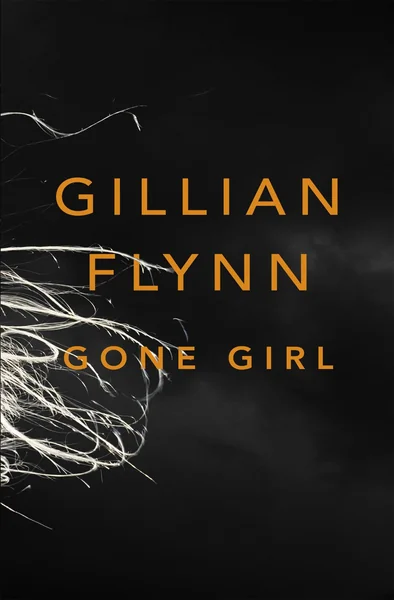
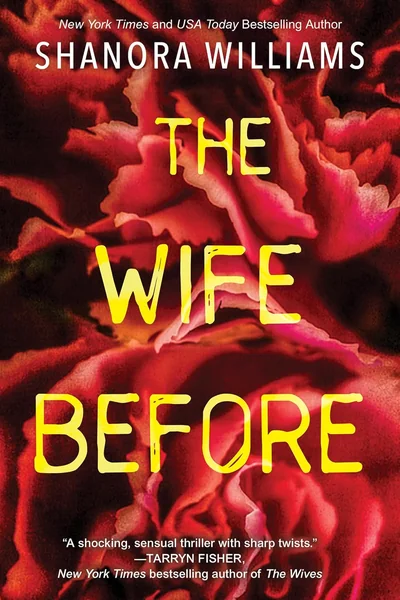
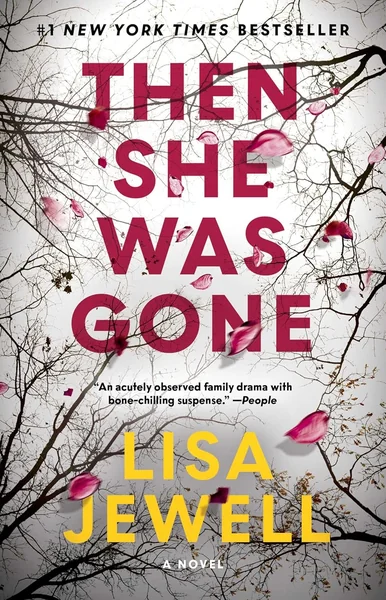
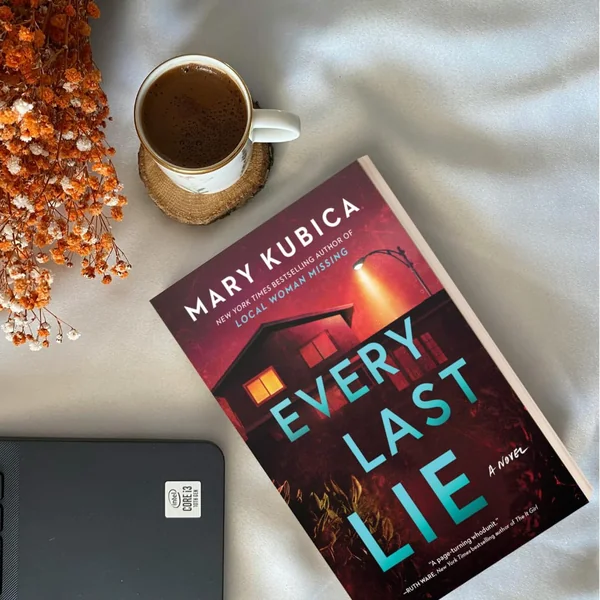
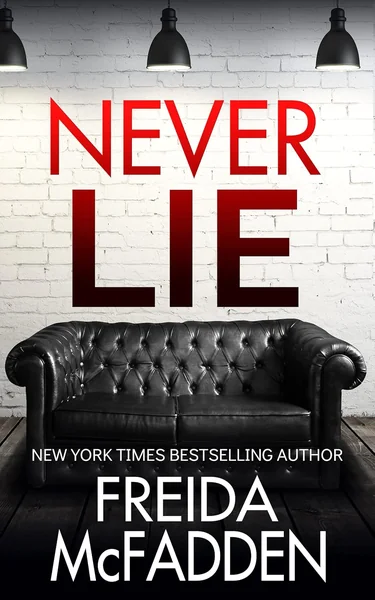
- Readers who enjoy The Divorce will find a natural companion in Freida McFadden's own Never Lie, which shares her signature blend of unreliable narration and domestic secrets. Gillian Flynn's Gone Girl is the genre touchstone for triple-perspective domestic suspense built on contested realities and deeply unreliable narrators. Alex Michaelides' The Silent Patient delivers a similarly propulsive psychological thriller with a twist-driven structure. Shanora Williams' The Wife Before and Lisa Jewell's Then She Was Gone both explore the dangerous undercurrents beneath domestic facades, while Mary Kubica's Every Last Lie offers another entry in the gaslighting-and-betrayal domestic thriller tradition.
- Who should read this?
- The Divorce is designed for fans of fast, propulsive domestic thrillers who want shocking reveals, morally compromised characters, and relentless escalation from the first page to the last. McFadden's existing fanbase — built on titles like The Housemaid — will find it entirely in keeping with her signature style. Kirkus Reviews specifically notes that 'fans of stalker novels will cringe with delight,' so readers drawn to high-stakes, edge-of-your-seat domestic suspense are the sweet spot. Readers who prioritize nuanced psychological characterization or structural originality are likely to find it a less rewarding experience.
- What are the main themes?
- The Divorce explores deception as a tool for preserving social power, the fragility of domestic facades, and the reckless extremes people reach when they feel their family or security is threatened. Gaslighting — Jeremy's manipulation of Naomi's perception of reality — sits at the novel's psychological core, while the triple unreliable-narrator structure extends that theme to the reader's own experience of the story. McFadden also engages the dangers of suburban domesticity as a veneer over something far more sinister, a dynamic she uses to push Naomi, Jeremy, and Veronica toward increasingly volatile decisions.
- How does it compare to The Housemaid?
- The Divorce follows the same blueprint that made The Housemaid a #1 New York Times bestseller: a high-concept domestic setup spun into something dangerous through escalating twists and unreliable narration. McFadden's existing fanbase will find The Divorce entirely in keeping with her signature style. However, independent reader commentary — including a review at jenryland.com — characterizes The Divorce as 'not her most original' work and positions it as a solid but not standout entry compared to The Housemaid, which is the novel most closely associated with her commercial and critical breakthrough.
Summarize this book
Follow up
Synthesized from verified book data & published reviews · How we review
What would you like to know about The Divorce?
Answers come from our editorial notes on this book. If we haven't covered something, we'll say so.
Readers often ask
Our Review
This review covers the book's content, premise and published critical reception, not a first-hand reading.
What the Book Is About
Escalation and the Art of the Thriller Spiral
Unreliable Narrators and the Question of Trust
Strengths and Limitations
Who This Book Is For
Sources & Further Reading
The key facts and claims in this review are grounded in the retrieved, verified sources listed below.
- Cited in this review
- 1
kirkusreviews.com
- 2
waterstones.com
- 3
- Further reading
- 4
freidamcfadden.com
- 5
- 6
coffeeaddictedwriter.com
- 7
- 8
Age & Reading Level
Recommended age
Adult
4 content notes · who it suits
Content to know about
Best for: Adults — themes of marital betrayal, gaslighting, stalking, and domestic menace are suited to adult readers.
Skip if you're looking for psychologically nuanced, character-driven literary fiction rather than plot-propelled domestic suspense.
Reader reviews
Be one of the first readers to answer.
Read it? Was it right for you?
Books like The Divorce
Curated picks for readers who enjoyed The Divorce, with our reasoning for each match.
If you liked The Divorce