At a glance
Be one of the first readers to answer.
Read it? Was it right for you?
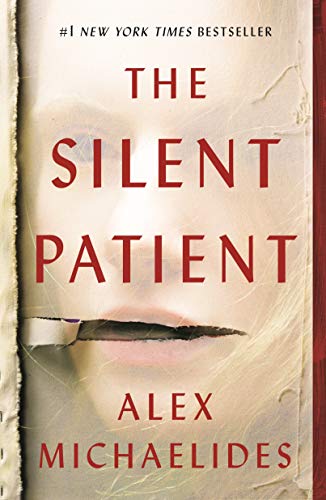
The Silent Patient
LuvemBooks Verdict
Best for: Readers who love twist-driven psychological thrillers in the Agatha Christie tradition and want a fast-paced, structurally ingenious debut that carries genuine thematic weight — silence, trauma, and the ethics of therapy — alongside its propulsive plot.
Worth it? Skip it? Read the full verdict →Ask LuvemBooks
Was this helpful?
- Is it worth reading?
- For readers who prize plot architecture and racing pace, The Silent Patient delivers with unusual force for a debut — it hit No. 1 on the New York Times Best Seller list on release and won the Goodreads Choice Award 2019 in Mystery and Thriller, reflecting both commercial dominance and genuine popular enthusiasm. The psychiatric setting, the Euripidean framing, and Theo Faber's own trauma-shaped psychology give the book more thematic texture than its genre packaging suggests. The key caveat is the twist-reliant structure: those who anticipate the turn early may find the build-up retroactively hollow, and readers who prioritize character depth over structural ingenuity may feel Theo's personal storyline — particularly the arc involving his wife Kathy — is subordinated to plot mechanics.
- Similar books
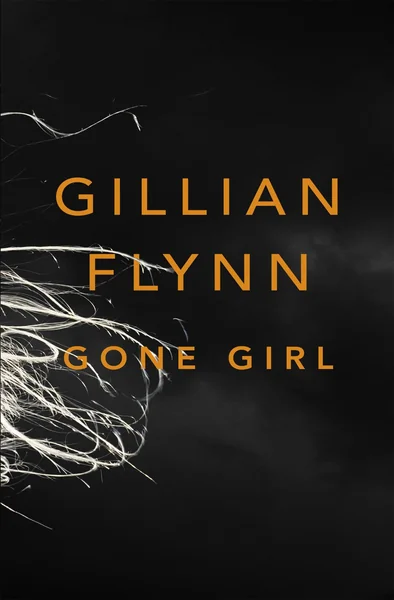
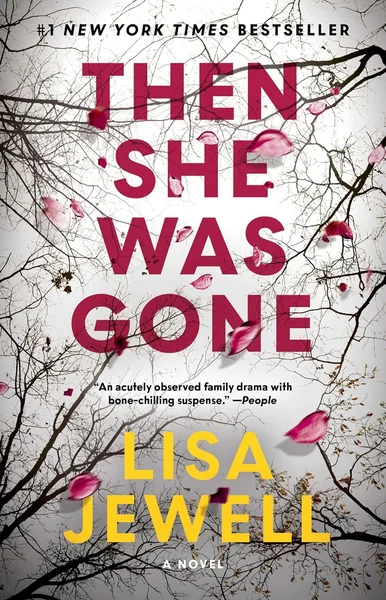
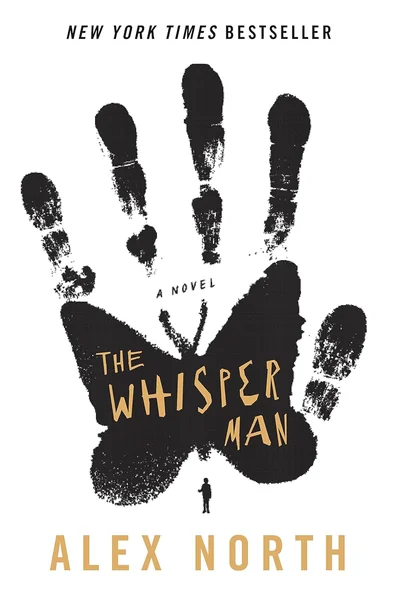
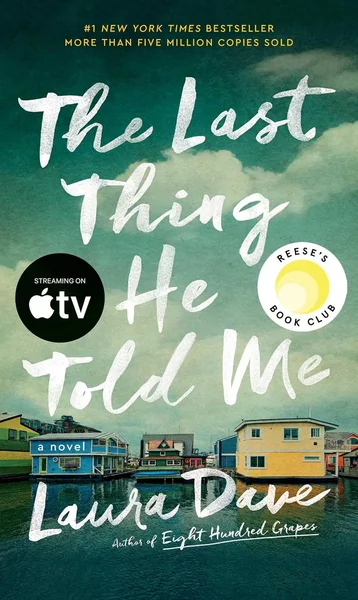
- Readers drawn to The Silent Patient's unreliable-narrator architecture and domestic suspense will find strong company in Gillian Flynn's Gone Girl, another landmark in twist-driven psychological thriller with a dual-narrative structure built around a marriage gone catastrophically wrong. Freida McFadden's Never Lie shares the diary-entry framing device and the compulsive, single-sitting pace. Lisa Jewell's Then She Was Gone excavates a disappearance through multiple perspectives and layers of withheld truth. For atmospheric, slow-burning dread grounded in psychological menace, Alex North's The Whisper Man is a natural next read, while Laura Dave's The Last Thing He Told Me offers a similarly propulsive chase through secrets a spouse kept hidden.
- Who should read this?
- The Silent Patient is designed for readers who prize plot architecture and a racing pace over leisurely character study. Readers newer to the psychological thriller genre — particularly those less steeped in Agatha Christie's twist-driven tradition — are most likely to experience the ending as the genuine gut-punch it was designed to be. The psychiatric setting, themes of childhood trauma, and the ethics of psychological boundaries give the novel enough thematic texture to appeal to readers who want their suspense to carry intellectual weight alongside propulsion. Readers who prioritize deep character development, or who are highly attuned to Christie-style narrative sleights of hand, may find the experience more mixed.
- About Alex Michaelides
- Alex Michaelides is a bestselling British Cypriot author and screenwriter.
- Tell me about the adaptation
- Sony Pictures, alongside Annapurna Pictures and Plan B Entertainment, has acquired the rights to adapt The Silent Patient as a film. No release date or cast has been confirmed in widely available public reporting as of this writing. Given the novel's twist-reliant structure — where the climax recontextualizes the entire preceding narrative — the adaptation presents significant creative challenges around how to preserve the gut-punch effect for audiences who may already know the ending from the book.
- What are the main themes?
- The Silent Patient works through several interlocking themes: childhood trauma and its long shadow — Theo Faber's psychology is explicitly shaped by a violent father and neglectful parents — alongside silence as both symptom and weapon, and the ethics of psychological boundaries between therapist and patient. The Euripidean framing (Alicia's self-portrait titled Alcestis) introduces themes of sacrifice, grief, and identity. The novel also interrogates obsession, asking whether Theo's drive to 'cure' Alicia is clinical curiosity, personal compulsion, or something more troubling.
- Is this a good book club pick?
- The Silent Patient generates the kind of polarized response that tends to make for rich book club discussion: reader reactions split sharply along the 'did you see the twist coming?' fault line, and both camps have strong arguments. Beyond the plot mechanics, the Euripidean framing, the ethics of Theo's obsession with Alicia Berenson, and the question of whether Theo's personal arc with his wife Kathy is adequately developed all offer angles for discussion that go beyond 'was the ending good?' The dual-narrative structure — alternating Theo's narration with Alicia's diary — also gives groups something concrete to analyze in terms of how the novel controls reader knowledge.
Summarize this book
Follow up
Synthesized from verified book data & published reviews · How we review
Press Enter to ask. Answers come from our editorial Q&A — start typing to see related questions.
Editorial Review
The Silent Patient is the debut psychological thriller by British-Cypriot author Alex Michaelides, following psychotherapist Theo Faber as he becomes obsessed with Alicia Berenson — a celebrated painter who shot her husband Gabriel five times and has not spoken a word since. It debuted at No.…
Read the Full ReviewReader reviews
No reader reviews yet
Read it? Be the first to say what you thought.
Books like The Silent Patient
Curated picks for readers who enjoyed The Silent Patient, with our reasoning for each match.

If you liked The Silent Patient