At a glance
LuvemBooks Verdict
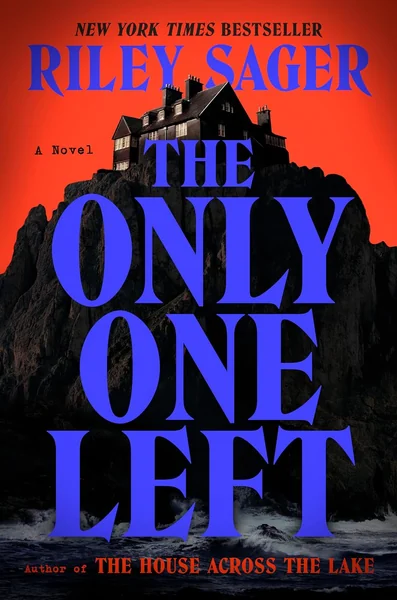
Best for: Fans of modern Gothic domestic suspense — and Sager's existing readership — who want a Lizzie Borden-flavored cold case, a hostile cliffside mansion, and a caregiver narrator unpicking a decades-old family massacre, with momentum and atmosphere prioritized over everything else.
Worth it? Skip it? Read the full verdict →Ask LuvemBooks
Was this helpful?
- Is it worth reading?
- For the right reader, yes. It was an instant New York Times bestseller, per the publisher, and Danielle Trussoni in the New York Times called it a dizzying Gothic whodunit with Sager's signature breakneck pace. The reservation in that same assessment — plot twists that stretch believability — is the one thing to weigh: readers who prize momentum and atmosphere will be well served, while those who need every reversal to survive scrutiny may find the final act's machinery visible.
- Similar books
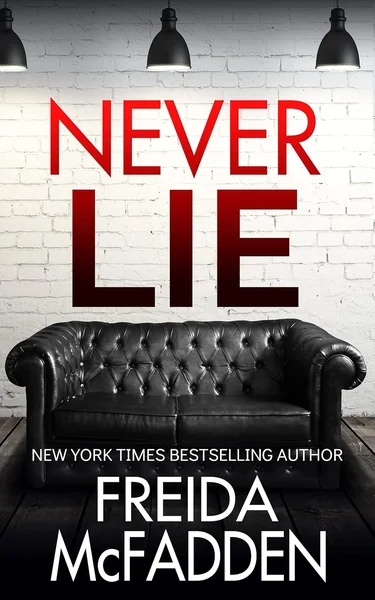
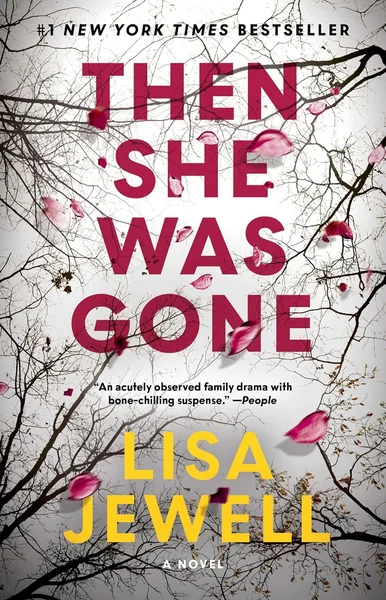
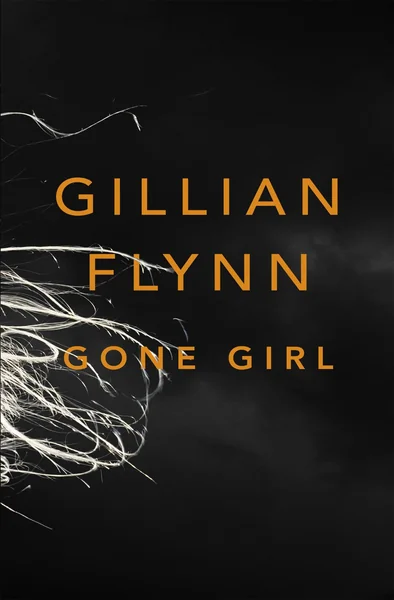
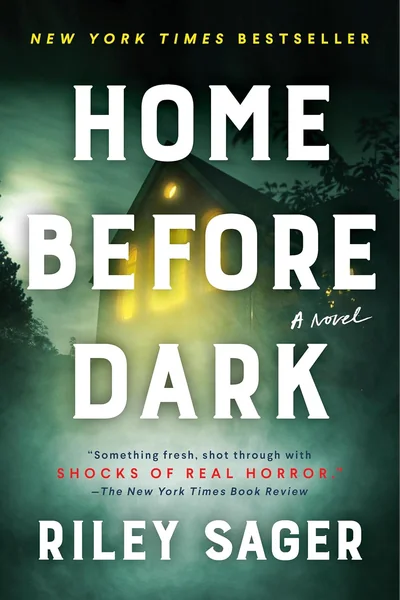
- Readers who take to Sager's formula here should start with his own Home Before Dark, another haunted-house thriller from the same author. For unreliable narrators and engineered twists beyond Sager, The Silent Patient by Alex Michaelides and Never Lie by Freida McFadden deliver comparable misdirection. Ruth Ware's The Turn of the Key shares the caregiver-in-a-hostile-house setup, while Then She Was Gone by Lisa Jewell and Gone Girl by Gillian Flynn cover the domestic-suspense side of the same shelf.
- Who should read this?
- It's aimed squarely at Sager's existing readership and at fans of modern Gothic domestic suspense — readers who want a Borden-flavored cold case, a hostile house, and a protagonist piecing together a decades-old crime. Bookreporter.com predicted Sager's fans would be left reeling with each passing chapter, and that captures the contract: momentum and misdirection first, everything else second. Readers seeking psychological realism over engineered surprise are not the audience Sager is writing for.
- About Riley Sager
- Riley Sager is a pen name of Todd Ritter, an American author of thriller novels who has also written under the nom de plume Alan Finn. That's the extent of LuvemBooks' verified biographical record for the author.
- Do the twists land?
- Largely, with a caveat. Danielle Trussoni's New York Times assessment called it a propulsive, dizzying Gothic whodunit — while also pointing to plot twists that stretch believability. The novel stacks revelation upon revelation, and by the later chapters the reversals compound enough that readers who prize airtight plotting may see the machinery; readers along for momentum tend not to mind.
- Is it horror or a thriller?
- It's a murder-mystery/horror hybrid with the balance tipped toward suspense. The architecture is deliberately Gothic — an isolated mansion, a disgraced family name, a rhyme attached to Lenora's alleged crime, openly echoing Rebecca and The Fall of the House of Usher. Book Riot called it possibly Sager's creepiest novel yet, and Mystery and Suspense Magazine's reviewer reported gasping out loud, but nothing in the documented reception frames it as supernatural horror.
- Is it a good book club pick?
- It's a strong pick for clubs that read thrillers. The central question — what actually happened in the Hope mansion in 1929 versus what the world believes Lenora did — plus the deliberately borrowed Rebecca and Borden architecture give a group plenty to argue about, including the debate the New York Times assessment itself stages: does breakneck momentum excuse twists that strain plausibility?
Summarize this book
Follow up
Synthesized from verified book data & published reviews · How we review
Press Enter to ask. Answers come from our editorial Q&A — start typing to see related questions.
Age & Reading Level
Recommended age
Adult
Reading level
Adult
3 content notes · who it suits
Content to know about
Best for: Adults — the plot turns on the murder of parents and a younger sister, told for a grown suspense readership
Skip if you read mysteries primarily to admire airtight solutions — the New York Times assessment flagged late twists that stretch believability
Editorial Review
Riley Sager's thriller sends caregiver Kit to a Maine mansion to tend Lenora Hope, accused decades earlier of a Lizzie Borden-style family massacre. An instant New York Times bestseller, it's a pacey Gothic page-turner — though some critics find its twists strain believability.
Read the Full ReviewBooks like The Only One Left
Curated picks for readers who enjoyed The Only One Left, with our reasoning for each match.
If you liked The Only One Left