4 min read
Share This Review
Our review
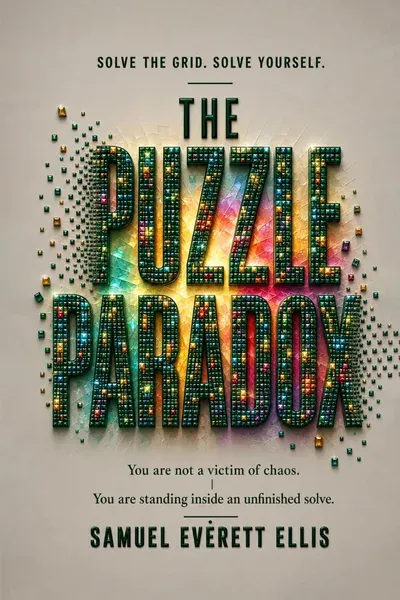
The Puzzle Paradox
The Puzzle Paradox by Samuel Everett Ellis Review: A Step-by-Step Critical Thinking Framework
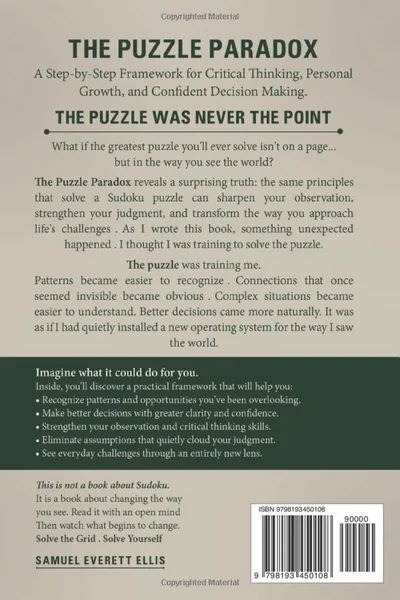
The Puzzle Paradox outlines a structured approach to improving analytical skills through a defined step-by-step framework. It targets readers seeking practical methods to enhance their decision-making processes without relying on advanced academic theory.
LuvemBooks Verdict
Best for
Readers who want to apply logical principles to everyday challenges or enhance their decision-making will find this book's direct, step-by-step framework ideal for building practical analytical skills without advanced theory.
Worth it if
Worth reading if you prefer concrete mental exercises and linear progression over open-ended philosophical discourse.
Skip if
Skip it if you are looking for highly technical academic critiques or advanced logical theory, as the guide operates as a foundational practical workbook rather than a theoretical treatise.
Ask LuvemBooks
Was this helpful?
- Is it worth reading?
- The guide is worth considering. It serves as a practical workbook for applying logical principles to everyday challenges, though it operates at a foundational level rather than offering deep academic critique.
- Similar books
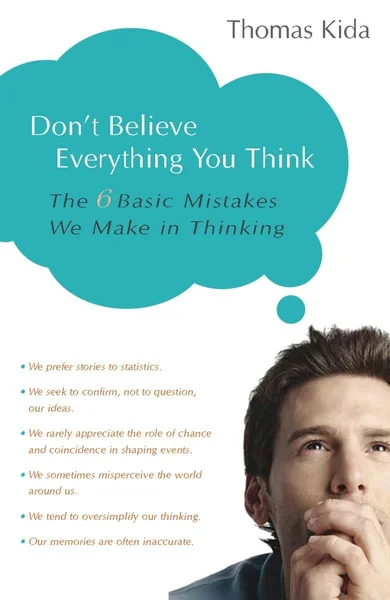
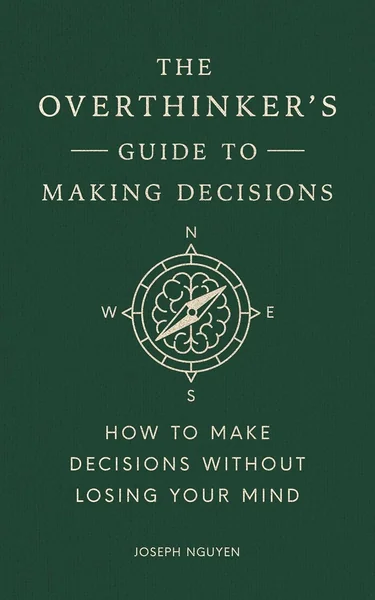
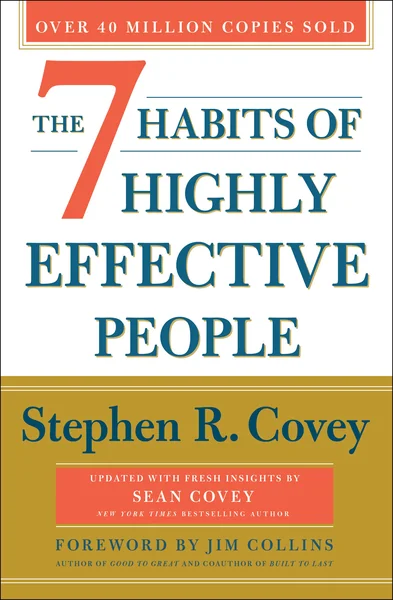
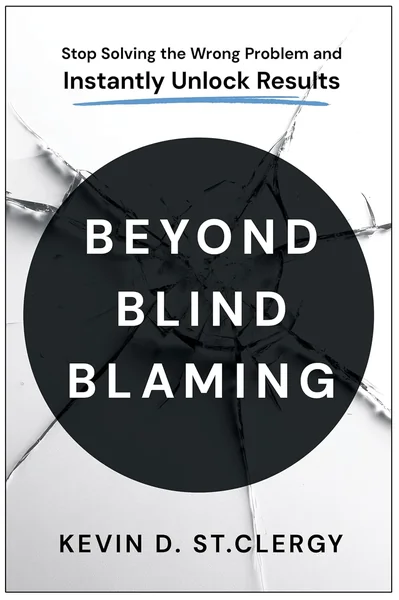
- Readers looking for complementary frameworks might explore titles like Don't Believe Everything You Think by Thomas E. Kida, The Overthinker's Guide to Making Decisions by Joseph Nguyen, and The 7 Habits of Highly Effective People by Stephen R. Covey. For those interested in interpersonal analysis, Beyond Blind Blaming by Kevin St.Clergy also offers structured mental models.
- Who should read this?
- The book is written for professionals, students, and general readers who seek practical guidance. It specifically aims at readers who favor practical guidance over theoretical discourse.
- How is the book structured?
- The guide relies on a structured approach where each step follows the last. It functions as a resource, emphasizing actionable steps over abstract discussion.
- What will readers learn from this framework?
- Readers will learn a systematic method for developing analytical skills through structured analysis. The framework aims to bridge the gap between theoretical depth and practical application through clear methodology.
Summarize this book
Follow up
Synthesized from verified book data & published reviews · How we review
What would you like to know about The Puzzle Paradox?
Answers come from our editorial notes on this book. If we haven't covered something, we'll say so.
Readers often ask
Our Review
We review the evidence: published reviews and reader verdicts, gathered and weighed with AI assistance and edited by LuvemBooks, rather than one reader's first-hand take.
What the Book Covers
How the Framework Functions
Who It Is For
Is The Puzzle Paradox Worth Reading?
Age & Reading Level
Our age band
Adult
Our age band groups books for browsing; it isn't an age a review gave.
Reader reviews
No LuvemBooks readers have answered yet.
Read it? Was it right for you?
Books like The Puzzle Paradox
Curated picks for readers who enjoyed The Puzzle Paradox, with our reasoning for each match.
If you liked The Puzzle Paradox