8 min read
4.5
· 902 Amazon ratingsShare This Review

A Simpler Life by The School of Life Review: A Psychologically Grounded Guide to Simplicity
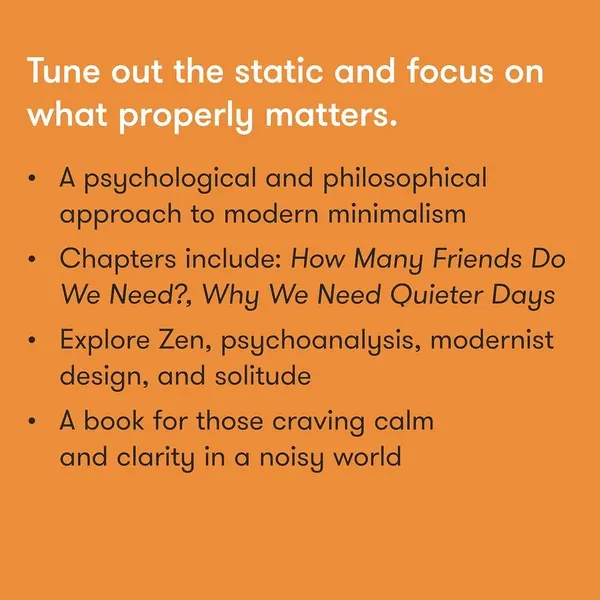
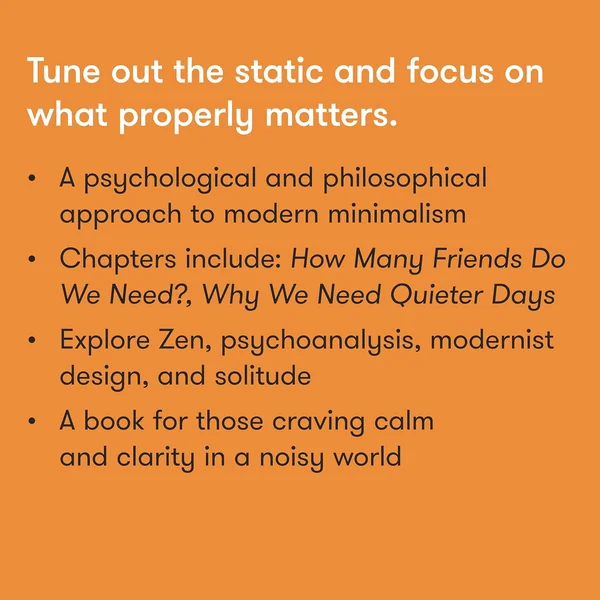
A Simpler Life is a self-help guide from The School of Life — the global organisation founded under the direction of series editor Alain de Botton — that takes a psychological approach to minimalism, addressing not just the clutter in closets and calendars but the deeper roots of distraction and complexity in relationships, work, social life, and culture. Published in hardcover by The School of Life Press in May 2022, the book is designed for readers who crave a more pared-down, peaceful, and focused existence but recognise that surface-level decluttering is rarely enough to get them there. Multiple NetGalley reviewers responded warmly to its short, accessible chapters and its invitation to self-examination.
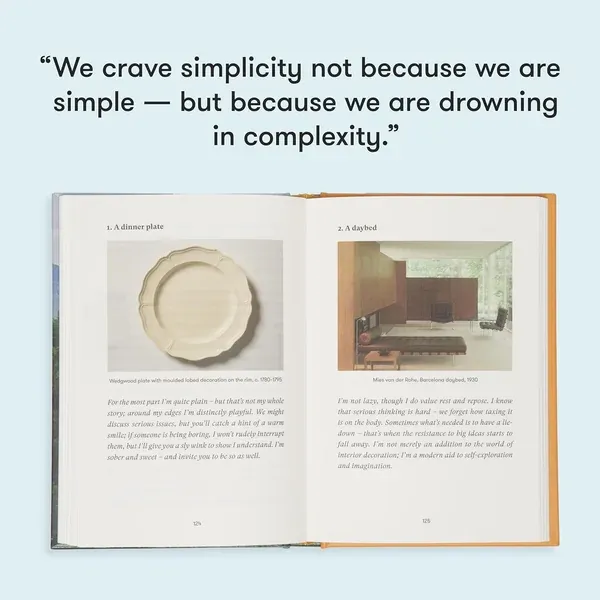
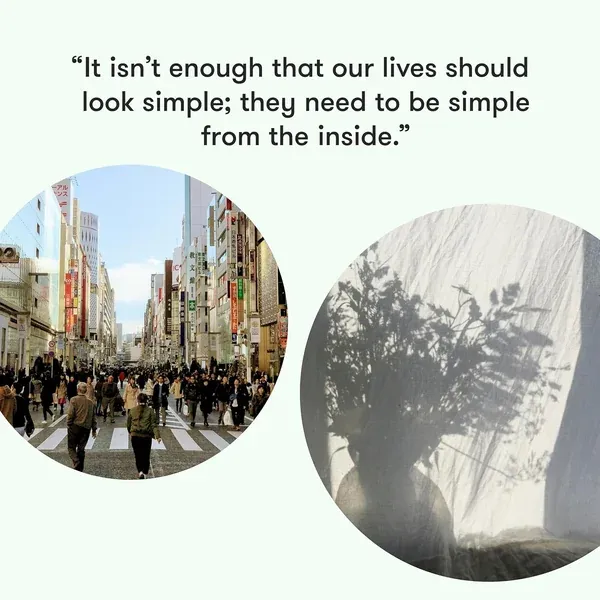
 Tap to enlarge
LuvemBooks Verdict
Best for
Readers who feel overwhelmed by modern life and suspect the problem runs deeper than clutter or a packed schedule — particularly those open to philosophical and psychological self-examination across relationships, work, and lifestyle.
Worth it if
Worth reading if you want a reflective, returnable guide that interrogates *why* complexity accumulates in your life, not just a checklist for stripping it back.
Skip if
Skip it if you need numbered frameworks, habit trackers, or evidence-based behavioural science — the essayistic, philosophical register will likely feel too abstract to be actionable on its own.
What readers & critics say
The Guardian's coverage of The School of Life's publishing arm notes that its titles — including A Simpler Life — "purport to blend philosophical wisdom with practical advice" and that the books are "Marmite," finding a clear market despite criticism of the School for "peddling watered-down pop philosophy." NetGalley reader responses, surfaced via Barnes & Noble and Better World Books, describe the book as calming and motivational, praising its ability to help readers "disentangle what you can change and what you have to accept" and calling it "a book you will return to again and again."
“The School of Life's books are Marmite; while many critique them for peddling watered-down pop philosophy, their teachings have clearly found a market.”
— theguardian.comPreview the book



Ask LuvemBooks
Was this helpful?
- Is it worth reading?
- For readers frustrated that conventional minimalism advice hasn't delivered lasting peace, A Simpler Life offers a genuinely different angle: it treats simplicity as an outcome of psychological clarity rather than willpower or aesthetic preference. NetGalley reviewers described it as a book they would 'return to again and again,' praising its ability to help disentangle what can be changed from what must be accepted. The key caveat is that readers who want evidence-based frameworks, habit trackers, or numbered action steps may find the essayistic style more thought-provoking than practically directive.
- Similar books
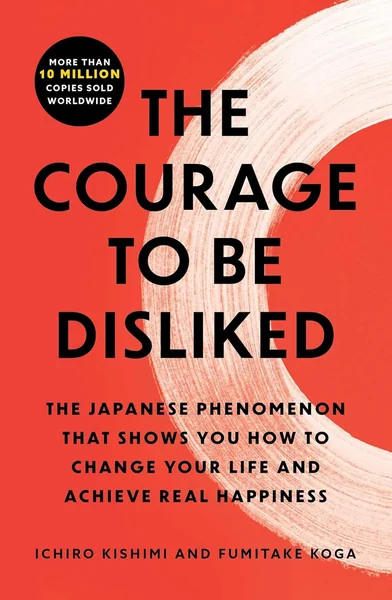
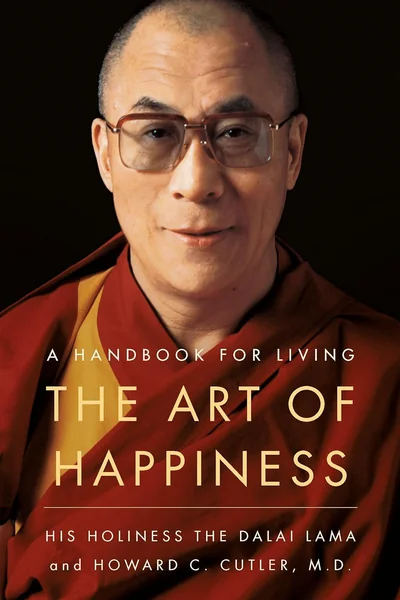
- Readers drawn to A Simpler Life's psychological approach to inner clarity may also appreciate The Courage to Be Disliked by Ichiro Kishimi and Fumitake Koga, which similarly challenges conventional assumptions about happiness through a philosophical dialogue format. The Art of Happiness by the Dalai Lama shares the reflective, non-prescriptive register and the focus on internal sources of contentment. For readers interested in the quieter, more intentional side of everyday life, Cozy: The Art of Arranging Yourself in the World by Isabel Gillies covers adjacent territory. The Four Agreements by Don Miguel Ruiz and The Let Them Theory by Mel Robbins round out the shelf with complementary perspectives on shedding unnecessary complexity from relationships and social obligations.
- Who should read this?
- A Simpler Life is aimed at adult readers who crave a more pared-down, peaceful existence but recognise that surface-level decluttering has not delivered lasting change. It is particularly well-suited to those who feel overwhelmed without being able to identify a single cause — the book's five-section structure addresses complexity in relationships, work, social life, lifestyle, and culture simultaneously. Readers who appreciate the blend of philosophy, psychology, and practical reflection characteristic of The School of Life's output will feel at home; those who prefer evidence-based, system-driven self-help are less likely to find what they're looking for here.
- About The School of Life
- The School of Life is a British multinational publishing and education company founded in 2008 by British author and public speaker Alain de Botton.
- What are the main themes?
- The central theme is that simplicity is a psychological achievement rather than a logistical one — the book argues that the clutter in modern lives originates in internal confusions and misaligned aspirations, not just overfull wardrobes or calendars. Across its five sections it explores how complexity accumulates in relationships, social life, work, lifestyle choices, and cultural consumption. A recurring counterintuitive thread is that reducing complexity sometimes requires more honesty upfront, not less — for instance, stating one's true preferences clearly in relationships rather than shapeshifting to please others.
- How does this compare to other School of Life books?
- Like other titles from The School of Life Press, A Simpler Life shares what the publisher describes as a coherent editorial voice — 'calm, reassuring, and sane' — and situates itself within the organisation's mission of helping readers lead more fulfilled lives through a blend of philosophy, psychology, and practical reflection. Compared to Big Ideas for Curious Minds: An Introduction to Philosophy, which LuvemBooks has also reviewed, A Simpler Life is more narrowly focused on a single life theme (simplicity) across concrete domains, making it more immediately applicable to readers with a specific problem to address rather than a general appetite for philosophical ideas.
Summarize this book
Follow up
Synthesized from verified book data & published reviews · How we review
Press Enter to ask. Answers come from our editorial Q&A — start typing to see related questions.
Age & Reading Level
Recommended age
Adult
Reading level
Adult
who it suits
Skip if you want numbered frameworks, habit trackers, or evidence-based behavioural systems rather than reflective, philosophical guidance.
Our Review
What the Book Actually Is and Argues

A Counterintuitive Central Argument

Its Place in the Genre and the School of Life Catalogue
Strengths Noted by Readers
Honest Limitations and Who It Is For
Sources & Further Reading
The key facts and claims in this review are grounded in the retrieved, verified sources listed below.
- Cited in this review
- 1
- 2
- 3
- Further reading
- 4
The School of Life, Wikipedia
- 5
- 6
- 7
- 8
boffinsbooks.com.au
- 9
Books like A Simpler Life
Curated picks for readers who enjoyed A Simpler Life, with our reasoning for each match.
If you liked A Simpler Life