8 min read
Share This Review
Jordan B. Peterson 2 Book Collection Set by Jordan B. Peterson Review: A Complete Self-Help Philosophy in Two Volumes
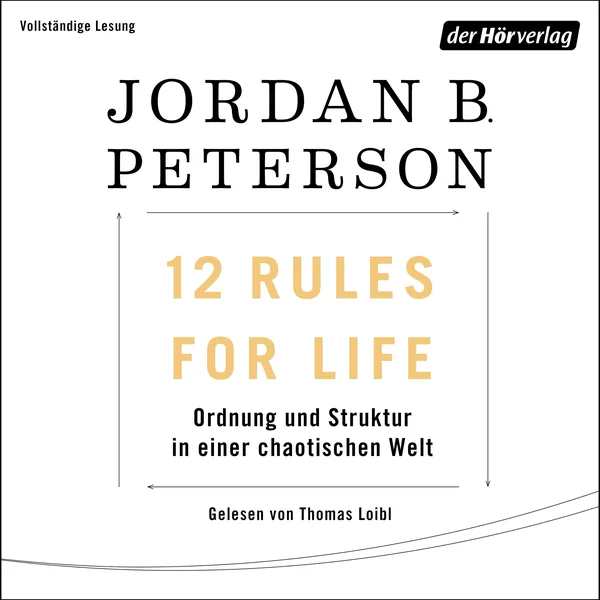
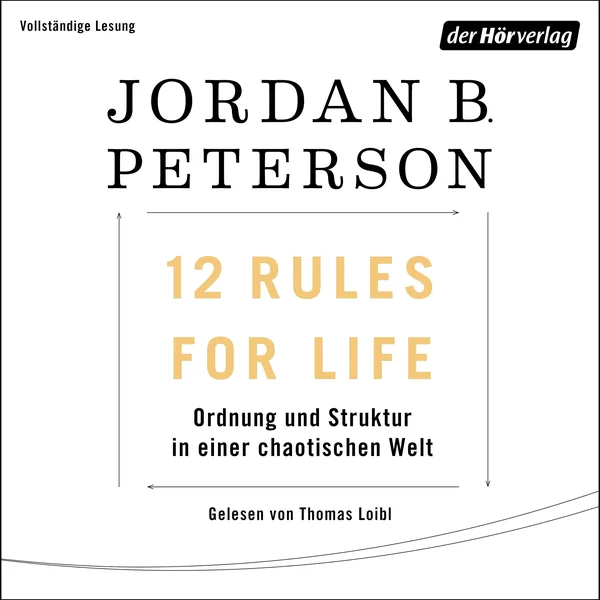
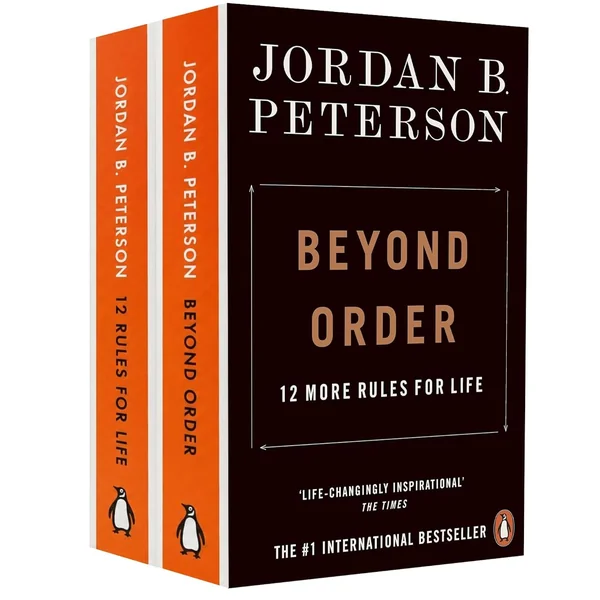
This two-book paperback collection brings together Jordan B. Peterson's 12 Rules for Life: An Antidote to Chaos and Beyond Order: 12 More Rules for Life in a single set — 24 rules in total, drawing on psychology, mythology, religion, and personal anecdote to offer a framework for order, resilience, and meaningful living. This review covers the content and published reception of both titles; it does not reflect hands-on use or application of the advice contained within.
LuvemBooks Verdict
Best for
Adult readers who want Peterson's complete two-volume framework — all 24 rules — in a single set, and who are comfortable engaging with self-help at the level of extended philosophical argument, weaving together clinical psychology, mythology, and literary fiction.
Worth it if
Worth committing to if you want a consolidated, intellectually substantive guide to Peterson's full thinking on order, meaning, and responsibility, and are willing to work through dense, discursive essays rather than seek quick, prescriptive takeaways.
Skip if
Skip it if you're looking for concise, immediately actionable self-help, or if Peterson's significant public profile and cultural associations make it difficult for you to engage with the content on its own terms.
What readers & critics say
According to Wikipedia, 12 Rules for Life topped bestseller lists in Canada and attracted wide critical attention on publication. Philosophy Now reviewed both volumes together, noting Peterson's argument that shrinking from life's absurdity is "a suicidal gesture" and that the two books form a complementary pair.
Sources: Wikipedia, Philosophy NowAsk LuvemBooks
Was this helpful?
- Is it worth reading?
- 12 Rules for Life became a significant cultural event on its January 2018 publication, topping bestseller lists in Canada and attracting coverage from The New York Times, The New Yorker, and The Times (UK), among others — a reception that speaks to the breadth of its appeal. The collection's chief strength is Peterson's unusually wide intellectual range: he moves between evolutionary psychology, Jungian archetypes, Dostoyevsky, Goethe, and clinical case studies from his own practice, giving each rule substantial grounding beyond simple prescription. The key caveat is that the prose is dense and discursive — readers wanting concise, bullet-point frameworks will find the set demanding — and Peterson's prominent cultural and political profile means the books arrive pre-loaded with associations that can make it difficult for some readers to engage with the content on its own terms.
- Similar books
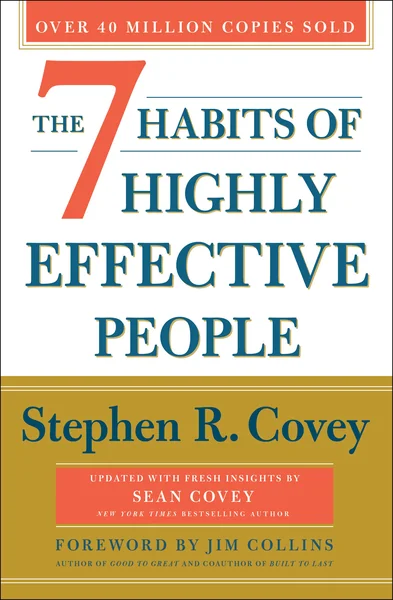
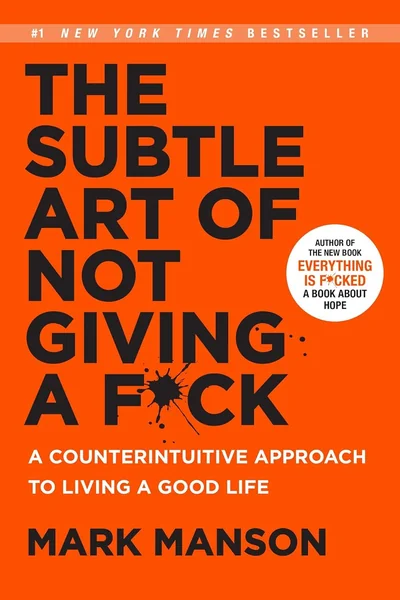
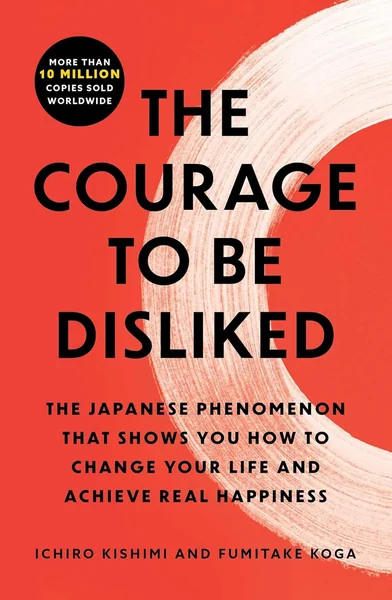
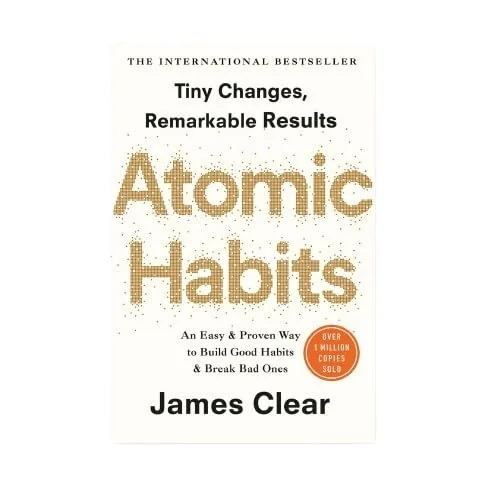
- Readers drawn to Peterson's framework of structured self-improvement and philosophical depth will find several strong companions on the shelf. Mark Manson's The Subtle Art of Not Giving a F*ck offers a similarly counter-intuitive approach to living well, though in a sharper, more irreverent register. Stephen R. Covey's The 7 Habits of Highly Effective People is the classic rule-based self-help text that Peterson's work is frequently measured against. For a philosophically grounded approach rooted in Adlerian psychology, The Courage to Be Disliked by Ichiro Kishimi and Fumitake Koga makes a natural pairing. James Clear's Atomic Habits appeals to readers who want Peterson's emphasis on disciplined living translated into a more practically structured, actionable format.
- Who should read this?
- This set is aimed at adult readers who want Peterson's full two-book framework — all 24 rules — in one place, whether approaching the work for the first time or returning to pair 12 Rules for Life with Beyond Order as a complete unit. It is particularly well suited to readers who engage with self-help at the level of ideas: those comfortable with extended philosophical argument, willing to work through mythology, Jungian psychology, and evolutionary psychology alongside practical guidance, and interested in a framework that treats questions of meaning and responsibility as inseparable from day-to-day conduct. Readers seeking lighter or more concisely prescriptive self-help are likely to find the collection a less natural fit.
- About Jordan B. Peterson
- Jordan B. Peterson is the author of 12 Rules for Life: An Antidote to Chaos, a bestselling self-help book that draws on psychology, philosophy, and personal anecdotes to offer practical guidance on living a meaningful life. The work presents twelve rules designed to help readers navigate the complexities of existence.
- What's this book about?
- The two-book collection brings together 12 Rules for Life: An Antidote to Chaos and Beyond Order: 12 More Rules for Life in a single paperback set, covering all 24 of Peterson's rules for living. The first volume draws on clinical psychology, mythology, religion, and personal anecdote to argue for the value of discipline and structure as a counterweight to chaos; the second extends that project by exploring how individuals can navigate meaning and responsibility when familiar structures have broken down. Peterson treats each rule not as a simple directive but as an entry point into larger questions about human nature, weaving together Jungian archetypes, evolutionary psychology, literary fiction — including Dostoyevsky and Goethe — and clinical case studies throughout.
- Who is it for?
- The collection is designed for adult readers seeking Peterson's complete two-book self-help framework in one place. It is particularly suited to those comfortable with extended philosophical argument — readers willing to engage with mythology, Jungian psychology, and literary fiction alongside practical advice, and who are interested in a framework that treats meaning and responsibility as central to daily life. Readers seeking concise, bullet-point self-help or those who find Peterson's public profile an obstacle to engaging with his ideas on their own terms will likely find the set a less natural fit.
- What are the main themes?
- Across both volumes, the central themes are order versus chaos, meaning, personal responsibility, and the relationship between individual conduct and broader existential questions. Peterson argues that disciplined, structured living — anchored in clear principles — is both practically beneficial and ethically necessary, while Beyond Order adds a counterweight by exploring the dangers of excessive rigidity and the value of creative engagement with the unknown. Running through both books are the intellectual frameworks Peterson draws on most heavily: Jungian archetypes, evolutionary psychology, clinical psychology from his own practice, and literary and religious narrative as sources of moral insight.
- What format or source is it?
- This is a two-book paperback collection published as a single set, bringing together 12 Rules for Life: An Antidote to Chaos (originally published January 2018) and Beyond Order: 12 More Rules for Life (originally published 2021). The set is designed for readers who want both volumes in one consolidated format, covering all 24 rules without requiring separate purchases. LuvemBooks' assessment is based on the content and published reception of both titles.
Summarize this book
Follow up
Synthesized from verified book data & published reviews · How we review
Press Enter to ask. Answers come from our editorial Q&A — start typing to see related questions.
Age & Reading Level
Recommended age
Adult
Reading level
Adult
Best for: Adults 18+ — the complexity of the philosophical, psychological, and mythological arguments across both volumes suits adult readers; the books carry a rated reading age of 18 and up.
Skip if you want concise, immediately actionable self-help with bullet points and quick summaries rather than extended philosophical and mythological argument.
Our Review
What the Set Contains and Is Designed to Do
Cultural Footprint and Reception of the First Volume
Strengths: Range of Reference and Structural Accessibility
Genuine Limitations and Who May Be Frustrated
Who This Collection Is For
Sources & Further Reading
The key facts and claims in this review are grounded in the retrieved, verified sources listed below.
- Cited in this review
- 1
- Further reading
- 2
Jordan B. Peterson, Wikipedia
- 3
Open Library
Books like 12 Rules for Life
Curated picks for readers who enjoyed 12 Rules for Life, with our reasoning for each match.
If you liked 12 Rules for Life