7 min read
4.6
· 297 Amazon ratingsShare This Review

Our review
The Inner Life of Cats: The Science
The Inner Life of Cats by Thomas McNamee Review: Science and Heart for Feline Lovers
The Inner Life of Cats: The Science and Secrets of Our Mysterious Feline Companions by Thomas McNamee is a work of popular science that weaves rigorous scientific reportage with personal anecdotes centered on McNamee's own cat, Augusta, to explore what research has uncovered about feline cognition, emotion, and behavior — and what it means for the humans who share their lives with cats.
LuvemBooks Verdict
Best for
Cat owners who sense there is more to their pets than popular mythology allows and want accessible, science-backed frameworks — grounded in real research — to better understand and improve their cats' lives.
Worth it if
You want a book that makes feline science feel personal and applicable, using McNamee's cat Augusta as an emotional anchor to bring research on intelligence, sentience, and developmental stages to life.
Skip if
You are already well-versed in animal cognition research and want a rigorous, specialist-level treatment — or you came hoping for a straightforward cat memoir and find the scientific passages more demanding than expected.
What readers & critics say
Kirkus Reviews called it "an affectionate yet realistic portrait of felis silvestris catus and a definite boon to anyone contemplating adopting a cat," praising McNamee's blend of personal experience and research. Psychology Today was similarly enthusiastic, describing the book as a "wonderful blend of science and stories" and recommending it as essential reading for anyone who lives with or wonders about cats, while South China Morning Post found readers would "be charmed by McNamee's tale of his cat, Augusta" despite initial scepticism about the subtitle's ambition.
“An affectionate yet realistic portrait of felis silvestris catus and a definite boon to anyone contemplating adopting a cat.”
— Kirkus ReviewsAsk LuvemBooks
Was this helpful?
- Is it worth reading?
- For cat owners who suspect there is more to their pets than conventional wisdom allows, The Inner Life of Cats delivers genuine value: it translates scientific findings about feline cognition and sentience into accessible, applicable knowledge, and does so with enough storytelling warmth to hold a general reader's attention. Expert reception has been notably warm — conservation biologist Thomas E. Lovejoy calls it "a much needed corrective and myth-buster," while Psychology Today recommends it as "required reading for anyone who lives with, loves, or has ever wondered about the deep and ancient connections we share" with cats. Readers looking for a purely specialist scientific treatment, or who come already well-versed in animal cognition research, are unlikely to find technically new ground here.
- Similar books
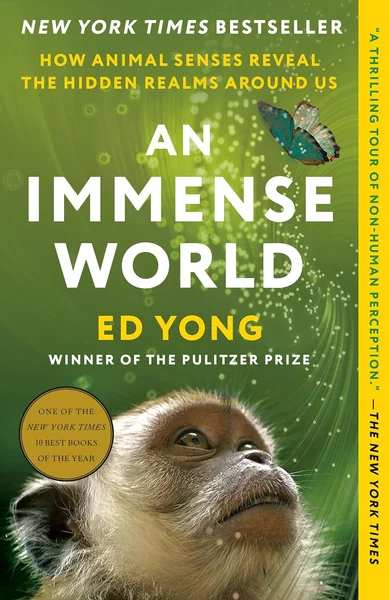
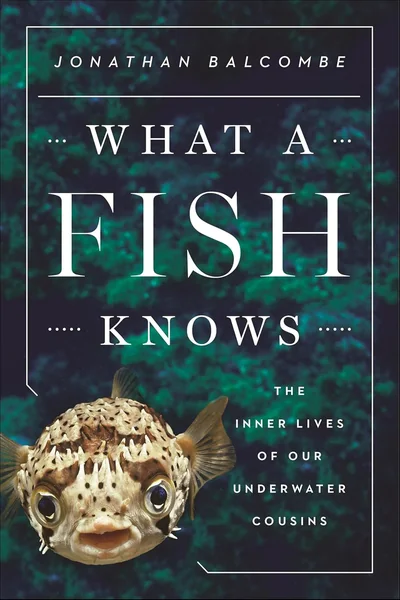
- Readers drawn to The Inner Life of Cats will find strong company in several books that apply the same popular-science lens to animal inner lives. Jonathan Balcombe's What a Fish Knows: The Inner Lives of Our Underwater Cousins and Sy Montgomery's The Soul of an Octopus both make a comparable case for the rich inner lives of animals most people underestimate. Ed Yong's An Immense World: How Animal Senses Reveal the Hidden Realms Around Us offers a broader, more sweeping survey of animal perception, while Peter Wohlleben's The Hidden Life of Trees extends the same spirit of revelation to the plant kingdom. For readers specifically interested in the science behind animal-human bonds, Rupert Sheldrake's Dogs That Know When Their Owners Are Coming Home covers similar territory in the canine world.
- Who should read this?
- The Inner Life of Cats is most rewarding for cat owners who suspect there is more to their pets than popular mythology suggests and who want scientific grounding for that intuition — the book's explicit aim, as endorsed by Thomas E. Lovejoy, is to serve as "a much needed corrective and myth-buster." It will also appeal to general readers with an interest in animal cognition and the popular-science tradition of illuminating hidden inner lives. Readers already deeply versed in animal cognition research, or those seeking a peer-reviewed-style specialist treatment, are unlikely to encounter technically new material.
- What are the main themes?
- The book's central theme is feline sentience and intelligence — McNamee argues throughout that cats are highly intelligent, emotional, and sentient animals whose inner lives have been consistently underestimated. A closely related theme is the correction of popular mythology: the book is positioned explicitly as a "myth-buster," challenging widespread mischaracterizations of cat behavior and cognition. A third thread is the practical dimension of human-cat relationships — McNamee contends that understanding cats' developmental phases and individual idiosyncrasies gives owners concrete tools to improve their cats' quality of life and build more harmonious bonds.
- How scientifically credible is it?
- The book carries notable scientific endorsement: Thomas E. Lovejoy, University Professor of Environmental Science and Policy at George Mason University and a credentialed conservation biologist, describes the book as "scientifically accurate" — a meaningful endorsement given that Lovejoy is candid about his own ambivalence toward free-roaming cats and their impact on wildlife. Psychology Today reviewers also highlighted the book's educational value. The caveat is that the book is a general-audience popular-science survey, not a peer-reviewed or specialist reference, so it is designed for accessibility rather than technical depth.
Summarize this book
Follow up
Synthesized from verified book data & published reviews · How we review
What would you like to know about The Inner Life of Cats: The Science?
Answers come from our editorial notes on this book. If we haven't covered something, we'll say so.
Readers often ask
Our Review
What the Book Is and What It Covers
The Central Argument: Cats as Sentient, Emotional Beings
Strengths: The Blend of Reportage and Narrative
Reception and Significance
Limitations and Who May Find It Wanting
Sources & Further Reading
The key facts and claims in this review are grounded in the retrieved, verified sources listed below.
- Cited in this review
- 1
- 2
tmcnamee.com
- Further reading
- 3
psychologytoday.com
- 4
Age & Reading Level
Recommended age
Adult
Reading level
Adult
who it suits
Skip if you want a specialist, peer-reviewed-level treatment of animal cognition rather than a general-audience popular-science survey.
Reader reviews
Be one of the first readers to answer.
Read it? Was it right for you?
Books like The Inner Life of Cats: The Science
Curated picks for readers who enjoyed The Inner Life of Cats: The Science, with our reasoning for each match.
If you liked The Inner Life of Cats: The Science