Published

Read Time

7 min read

Age & reading levelAdult
Reader rating

4.5

· 1,267 Amazon ratings
reader ratings, not a LuvemBooks score

Reading order

The Horus Heresy

Book 16 of 64 books
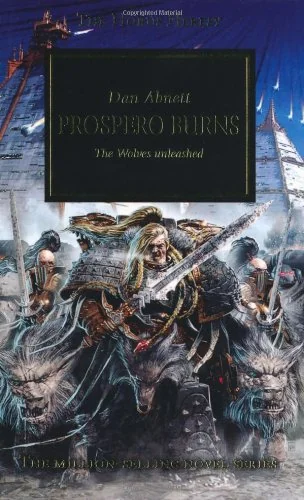
  1. Prospero Burns book cover
    Before thisProspero Burns2010
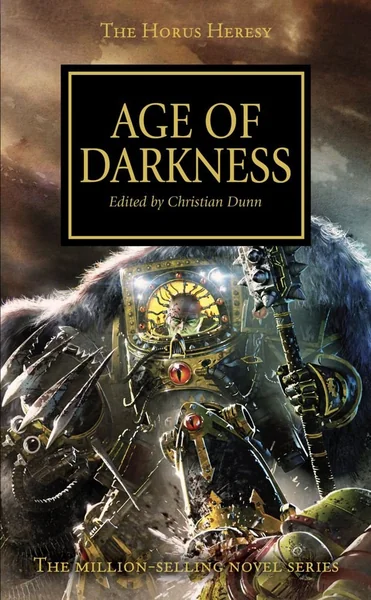
  2. Age of Darkness book cover
    You're readingAge of Darkness
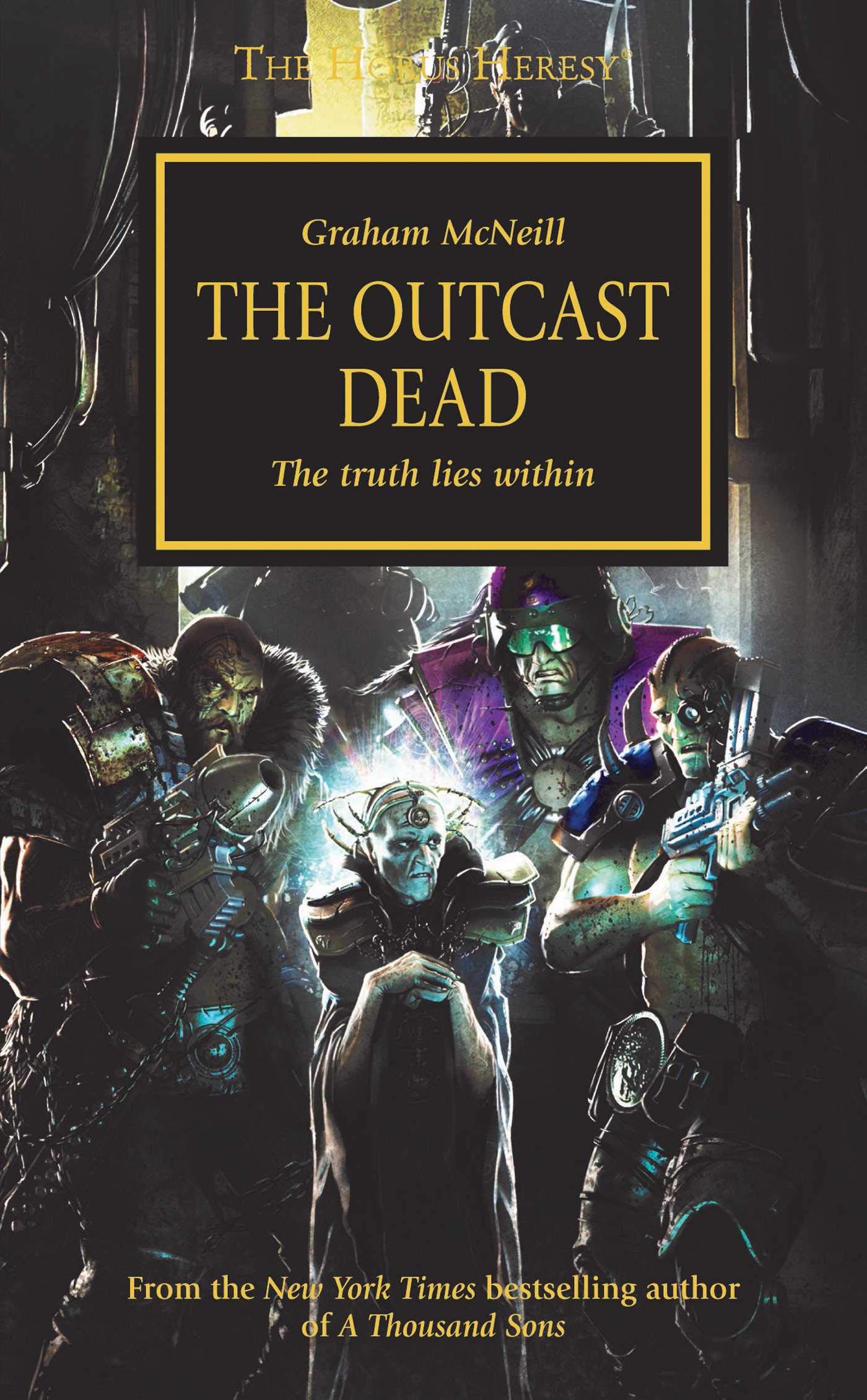
  3. The Outcast Dead book cover
    Up nextThe Outcast Dead2011 · on Amazon
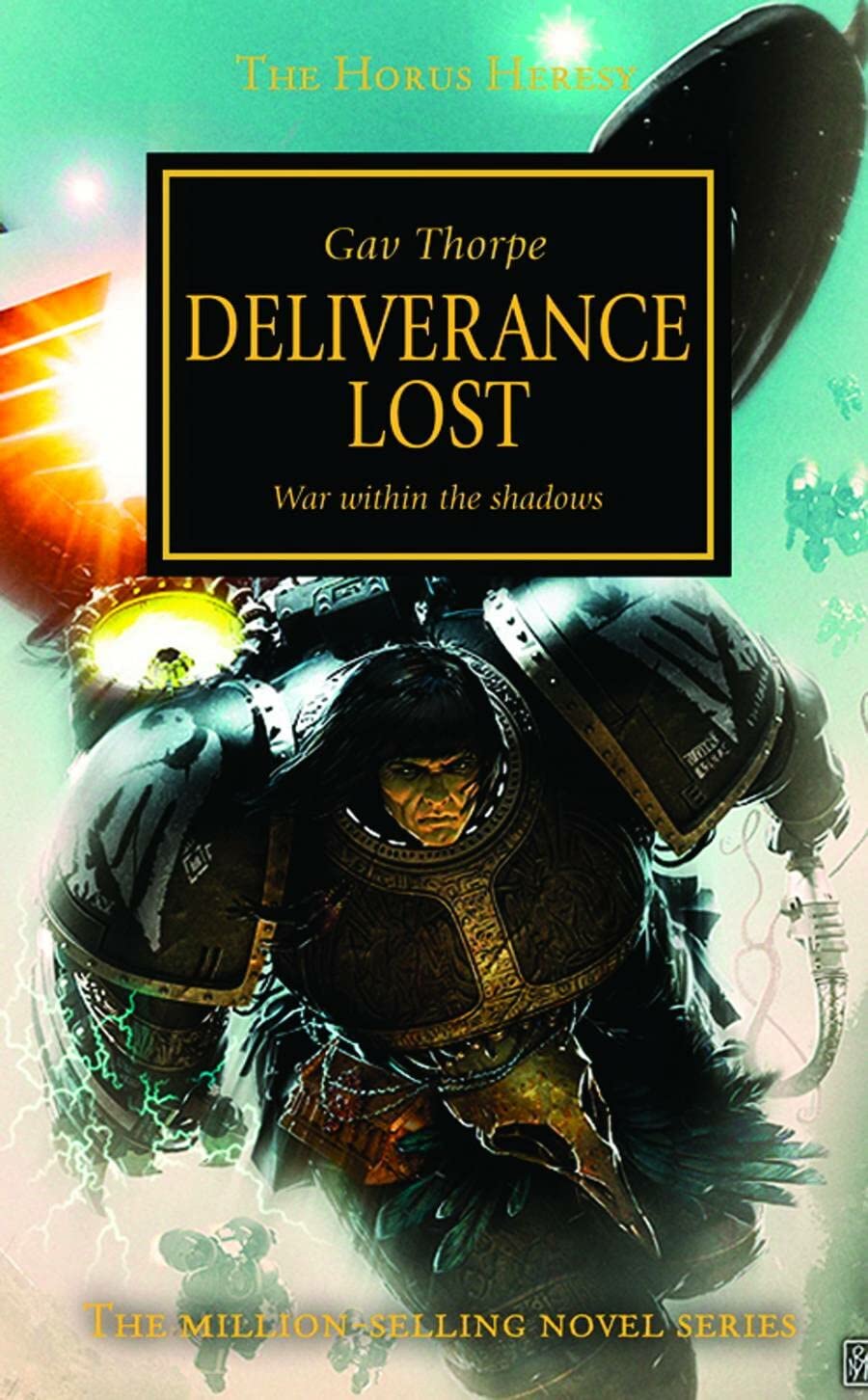
  4. Deliverance Lost book cover
    ThenDeliverance Lost2012 · on Amazon
All 64 in order →
Curated & edited by

LuvemBooks Editorial

How we create our reviews →
Share This Review
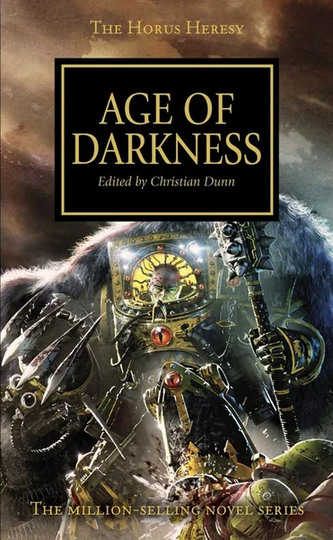
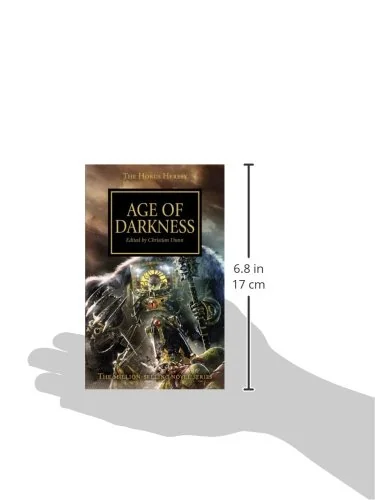
The Age of Darkness (16) (Horus Heresy) by Christian Dunn front cover

Our review

The Age of Darkness (Horus Heresy #16) by Christian Dunn Review: A Rich Anthology of Heresy-Era Shorts

The Age of Darkness, edited by Christian Dunn and published by Games Workshop in 2011, is the sixteenth entry in the Horus Heresy series — a short-story anthology exploring the seven secretive years between the betrayal at Isstvan V and the final march on Terra. It earns attention as a rare anthology volume in the series, shedding light on the war's quieter, more philosophical corridors rather than its front-line battles.
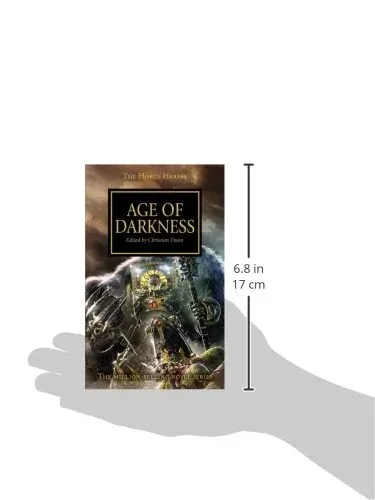
Front cover featuring title text, a dark armored figure with glowing details, and a size reference showing 6.8 inches in height.Tap to enlarge

LuvemBooks Verdict

Best for

Dedicated Horus Heresy readers who want a contemplative, multi-perspective look at the seven-year interwar period between Isstvan V and the march on Terra, particularly those interested in the political and philosophical dimensions of the setting rather than action-driven plots.

Worth it if

Worth reading if you are already invested in the Horus Heresy series and want to explore the quieter, character-driven side of the interregnum — including threads around Rogal Dorn, Iacton Qruze, and Roboute Guilliman — through the varied lenses that only an anthology format can provide.

Skip if

Skip it if you are new to the Horus Heresy, prefer sustained novel-length narratives with a single protagonist, or come to the series primarily for kinetic Space Marine combat rather than introspective, thematically driven short fiction.

Speculiction called it "a decent selection of short fiction set around and after the events of Isstvan V" — solid but not exceptional — while Heresy-Online offered a warmer verdict, praising "good prose, compounded with enthralling themes and well written characters" and singling out individual stories for their "thought-provoking themes and compelling characters." The Civilian Reader blog noted one of the closing stories features "one of the bloodiest and inelegant duels" in the anthology, illustrating the range of tones across contributors.

Sources: Speculiction, Heresy-Online, Civilian Reader (blog)
4.5from 1,267 Amazon ratings— reader ratings, not a LuvemBooks score
Buy on Amazon
In This Review
  • What Works & What Doesn't
  • What the Book Is and What It Contains
  • Themes and Tone
  • Significance Within the Series
  • Strengths
  • Who It's For and Where It Fits

What Works & What Doesn't

What Works
  • Anthology format broadens the narrative scope of the Horus Heresy, covering multiple factions and perspectives unavailable in single-POV novels
  • Praised by Heresy-Online for 'good prose, compounded with enthralling themes and well written characters'
  • Explores the philosophically rich seven-year interwar period between Isstvan V and the march on Terra
  • Features contributions from multiple notable Black Library authors, including Aaron Dembski-Bowden and Chris Wraight
What Doesn't
  • Anthology structure produces variable story quality — not every entry will resonate equally, and the format is inherently uneven
  • Assumes deep prior familiarity with the Horus Heresy series; not accessible as a standalone or entry point for new readers
This review covers the book's contents and published reception; it reflects editorial synthesis from published sources, not hands-on reading.

What the Book Is and What It Contains

The Age of Darkness is a short-story anthology set within the Warhammer 40,000 universe's most celebrated narrative arc. Edited by Christian Dunn, it gathers multiple authors — contributors confirmed across sources include Aaron Dembski-Bowden and Chris Wraight, among others — to illuminate the seven-year interregnum between Horus's betrayal at Isstvan V and the inevitable drive toward Terra. The publisher's synopsis frames the collection as an unveiling of "an unknown history," promising revelations that "will shake the Imperium to its very foundation." Rather than staging set-piece battles, the anthology is structured around the plans, silences, and psychological reckoning of a galaxy mid-collapse.
“the philosophy and premise of what the Heresy has done and what it will cause”— Heresy-Online

Themes and Tone

Where much of the Horus Heresy series foregrounds the thunder of Space Marine warfare, this anthology turns inward. One reviewer at Heresy-Online described the strongest entries as dealing with "the philosophy and premise of what the Heresy has done and what it will cause" — stories that explore fear, conviction, and purpose rather than bolter fire. The same review noted that readers "really get a feel for the reluctance of Dorn, the new-found purpose of Qruze (the grey warrior), and the conviction of the last remembrancer," pointing to character-driven writing as the anthology's chief mode. This tonal shift makes The Age of Darkness something of an outlier in the series — quieter and more contemplative — which will suit some readers more than others.

Significance Within the Series

As the sixteenth book in the Horus Heresy, The Age of Darkness occupies a transitional position in the overall arc. Its anthology format means it functions somewhat differently from the novel-length entries that flank it: rather than following a single protagonist through a sustained narrative, it casts a wide net across figures and factions, with recurring attention to the Ultramarines and Roboute Guilliman threading thematically through the compilation. Heresy-Online's reviewer noted that the Guilliman-and-Ultramarines material raises provocative questions about loyalty and strategy that ripple across the collection. For readers tracking the series' larger political and philosophical currents, this volume serves as a broadening lens on the interwar period rather than a forward thrust of plot.
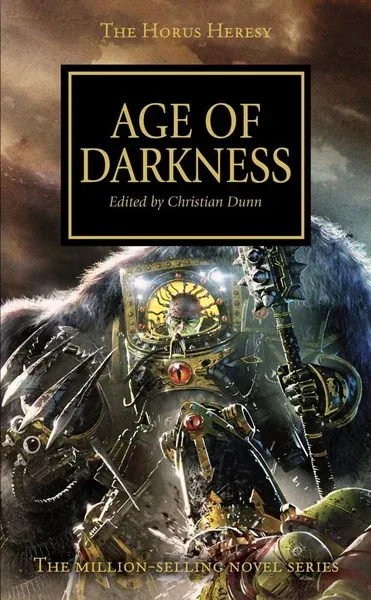
Front cover featuring title text, a dark armored figure with glowing details, and a size reference showing 6.8 inches in height.

Strengths

The anthology format, under Dunn's editorial hand, appears designed to give contributing authors room to experiment with tone and subject matter that the mainline novels cannot easily accommodate. The Heresy-Online review praised "good prose, compounded with enthralling themes and well written characters," rating at least one story an eight out of ten and calling it "a truly fascinating short, with thought-provoking themes and compelling characters." The breadth of perspectives — covering figures from Primarchs to remembrancers — gives the collection a texture that standalone novels, by necessity, cannot replicate. For devotees of the setting, this variety is a genuine draw.

Who It's For and Where It Fits

Readers coming to The Age of Darkness expecting the kinetic momentum of the series' novel-length entries may find the anthology's slower, more introspective register an adjustment. The format naturally produces unevenness — anthology collections live and die by the range of their contributors, and not every short will resonate equally with every reader. The book rewards those already invested in the Horus Heresy's lore and faction dynamics; it is not an entry point for newcomers, given that its impact depends on prior familiarity with the betrayal at Isstvan V and the major players involved. Series readers, on the other hand, will find it a worthwhile complement to the longer volumes, particularly for the threads it develops around Dorn, Qruze, and Guilliman.

Age & Reading Level

Recommended age

Adult

Reading level

Adult

Content to know about

war violence
themes of betrayal and ideological extremism

Skip if you want kinetic, action-driven Space Marine warfare rather than introspective, philosophically oriented short fiction.

Sources & Further Reading

The key facts and claims in this review are grounded in the retrieved, verified sources listed below.

  1. Cited in this review
  2. 1
  3. Further reading
  4. 2
  5. 3
  6. 4
  7. 5
  8. 6
  9. 7
  10. 8