6 min read
Share This Review
Our review
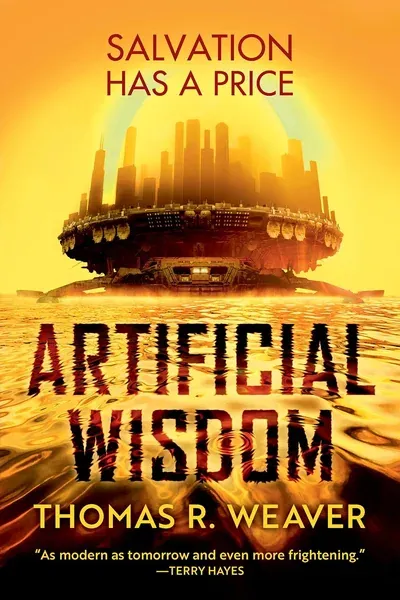
Artificial Wisdom
Artificial Wisdom by Thomas R. Weaver Review: A Climate-Driven AI Thriller
Set in a climate-ravaged 2050, this sci-fi thriller follows journalist Marcus Tully as he investigates the murder of an AI candidate’s creator. The novel earns attention for its tense pacing and its unflinching examination of humanity’s willingness to trade freedom for survival.
LuvemBooks Verdict
Best for
A tightly paced, short-chaptered techno-thriller that urgently mirrors today's climate and AI anxieties, making it ideal for readers craving relentless momentum and speculative relevance.
Worth it if
Worth reading if you enjoy fast-paced speculative fiction that forces you to grapple with the ethical costs of truth and salvation.
Skip if
Skip it if you prefer deeply developed character arcs over a plot that relentlessly drives toward systemic collapse.
Where reviewers agree and split
Readers rate it 4.1 on Amazon. The reviews we read that discuss it in depth agree:
- Positive
kirkusreviews.com · Press review: taut and plausible speculative thriller, though prose not particularly snappy
- Positive
Locus · Press review: immersive, fully realized thriller with urgent relevance to contemporary moment
- Positive · 5 out of 5
Adventures in Literature · Book blog: edge-of-seat thriller that challenges assumptions about AI and complex contemporary issues
- Positive
fanfiaddict.com · Book blog: genre-defying debut that blows your world off its axis, gripping and brilliant
Only kirkusreviews.com and fanfiaddict.com discuss its pacing: both praise the relentless, gripping pace.
Who says what
Pacing
“A fast-paced speculative thriller set in a morally desolate near future.”
— kirkusreviews.com · Press review“Short chapters! This kept me on my toes and the story absolutely gripping!”
— fanfiaddict.com · Book blogWhat readers & critics say
FanFiAddict praise the novel's relentless pace and gripping, short-chaptered structure, while Locus Magazine highlights its immersive near-future setting and urgent relevance to contemporary political and technological anxieties.
“A taut tale with a disturbingly plausible what-if scenario.”
— Kirkus Reviews“This immersive thriller is set in the fully realized year of 2050”
— Locus MagazineAsk LuvemBooks
Was this helpful?
- Is it worth reading?
- Reviewers at kirkusreviews.com and fanfiaddict.com specifically praise its relentless, gripping pace driven by short chapters. However, it may not satisfy readers who prefer unambiguous moral resolutions or pure escapism over moral complexity.
- Similar books
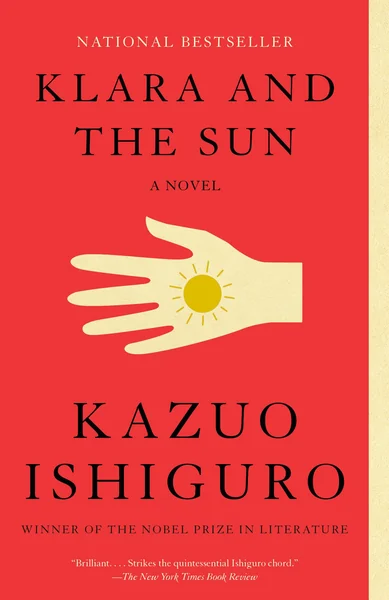
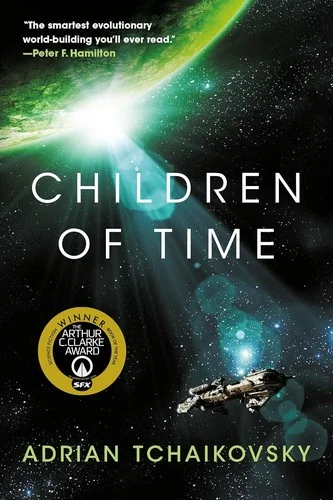
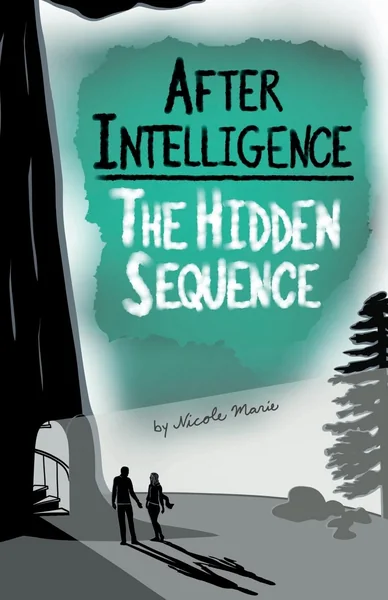
- Readers who appreciate this blend of near-future tech anxiety and political thriller will likely enjoy Kazuo Ishiguro's Klara and the Sun, Adrian Tchaikovsky's Children of Time, and Nicole Marie's After Intelligence: The Hidden Sequence. The novel appeals to fans of fiction that mirrors current tech anxieties.
- Who should read this?
- This novel is written for adults who enjoy tightly paced, short-chaptered techno-thrillers that urgently mirror today's climate and AI anxieties. It is particularly well-suited for readers who want fast-paced narratives over introspective storytelling.
- About Thomas R. Weaver
- Thomas R. Weaver is a writer and serial tech entrepreneur based in the United Kingdom. He sold his first startup in 2018 and holds a degree in Computer Science. Now an author, he writes stories about tomorrow to help make sense of today, with his debut novel being Artificial Wisdom, published by Penguin Random House.
- What are the main themes?
- The story explores the terrifying role of artificial intelligence alongside the promise of salvation versus the cost of revealing truth. It tackles modern headline topics like authoritarianism and the distrustful interface between humans and machines, questioning whether humanity can accept salvation even when it demands the surrender of freedom and truth.
- Is this a good book club pick?
- It serves as a strong discussion starter for groups interested in contemporary tech ethics. The narrative's unresolved tensions and its examination of surrendering freedom for survival naturally spark debate. Reviewers note it challenges readers to question their loyalties by the final page.
- How does the author's background influence the writing?
- Weaver draws heavily from his two decades building and scaling startups, which grounds the novel's near-future technology in authentic technical details. His recent venture focused on augmented reality directly shapes the book's vision of tech's ramifications, though some readers note the heavy integration of his startup concepts reads like a promotional pitch for his broader business interests.
Summarize this book
Follow up
Synthesized from verified book data & published reviews · How we review
What would you like to know about Artificial Wisdom?
Answers come from our editorial notes on this book. If we haven't covered something, we'll say so.
Readers often ask
Our Review
We review the evidence: published critics, reader verdicts and BookTube reviews, gathered and weighed with AI assistance and edited by LuvemBooks, rather than one reader's first-hand take.
What Happens
What Critics Found
Commercial Context
Is It Worth Reading?
Sources & Further Reading
The key facts and claims in this review are grounded in the retrieved, verified sources listed below.
- Cited in this review
- 1
thomasrweaver.com
- 2
- Further reading
- 3
- 4
fanfiaddict.com
- 5
penguinrandomhouse.com
- 6
waterstones.com
- 7
Kirkus Reviews
Age & Reading Level
Our age band
Adult
Our age band groups books for browsing; it isn't an age a review gave.
3 content notes · who it suits
Content to know about
Skip if you prefer deeply developed character arcs over a plot that relentlessly drives toward systemic collapse and ethical dilemmas.
Reader reviews
Be one of the first readers to answer.
Read it? Was it right for you?
Books like Artificial Wisdom
Curated picks for readers who enjoyed Artificial Wisdom, with our reasoning for each match.
If you liked Artificial Wisdom